
Blog
How Can You Be Sure That the Floor of the Delivery Room in Your Factory Is Safe?

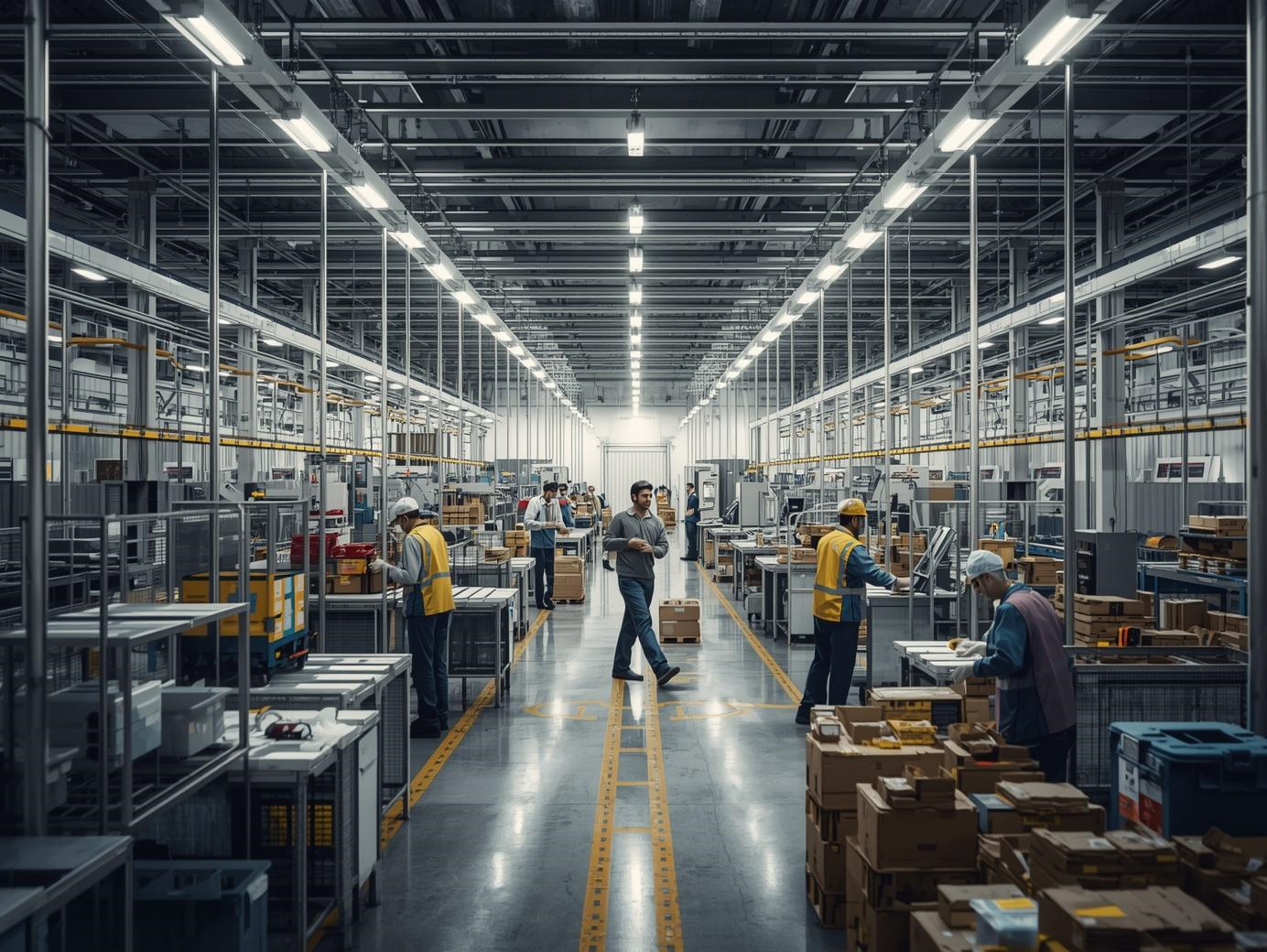
In every factory, the delivery room floor is one of the busiest and most dangerous areas. Heavy movement, forklifts, pallets, and workers create constant risk. To make sure the floor is safe, companies must combine proper flooring systems like insulating mat electrical solutions near panels, apply strict procedures using a lock out tag out kit during maintenance, and ensure workers wear certified safety boots for foot protection. Floor safety is not just about cleaning. It is about full risk control, equipment selection, and daily inspection. This guide explains how to guarantee that the floor of your factory delivery room is truly safe.
Delivery areas are exposed to many hazards. These include electrical panels, wet surfaces, oil spills, falling packages, moving machines, and human error. Without a complete safety plan, accidents can happen quickly.
Why Is the Delivery Room Floor High Risk?
The delivery room in industrial facilities is a high-risk area because it connects storage, production, and transport activities. Many hazards exist in this space, making proper safety measures essential.
Common risks on the delivery room floor include:
-
Heavy foot traffic, as workers move constantly between areas.
-
Forklift movement, which can cause collisions or accidents if the floor is unsafe.
-
Loading and unloading trucks, which increases the chance of spills, falling objects, or accidents.
-
Water or oil spills, creating slippery surfaces that can lead to falls.
-
Electrical panels nearby, which increase the risk of electric shock if combined with spills.
-
Sharp objects from packaging, which can cause cuts or puncture injuries.
Because of these factors, the floor must be designed for safety, with anti-slip surfaces, clear walkways, proper drainage, and visible markings, rather than focusing only on appearance.
Main Risks Found on Factory Floors
Factory floors are busy environments where multiple activities happen at the same time. Understanding the main risks is the first step in preventing accidents and keeping workers safe.
1. Slips and Falls
Slips and falls are common accidents on factory floors. Water, oil, dust, or debris can make surfaces slippery, increasing the risk of injuries.
2. Electrical Hazards
Electrical panels and exposed wiring, especially in loading or wet areas, can cause shocks or electrocution if not properly protected.
3. Falling Objects
Boxes, tools, or materials may fall from shelves or forklifts, posing a risk of serious injury to workers below.
4. Machine Movement
Forklifts, pallet jacks, and other moving machinery increase the risk of collisions with workers or other equipment.
5. Poor Lighting
Dark or poorly lit areas make it harder to see hazards, increasing the likelihood of accidents like trips, falls, or collisions.
By identifying and understanding these risks, companies can implement proper safety measures, train workers, and design the workplace to reduce accidents and injuries.
insulating mat electrical Protection Near Panels
Delivery rooms often contain electrical distribution panels. Installing insulating mat electrical solutions in front of panels protects workers from electric shock.
High-quality insulating mats:
-
Resist high voltage
-
Prevent electrical grounding accidents
-
Reduce shock risk
-
Meet safety standards
These mats should be: -
Installed directly in front of panels
-
Inspected regularly
-
Replaced if damaged
Electrical floor safety is critical in industrial environments.
Using a lock out tag out kit During Maintenance
Maintenance in delivery rooms is common. Machines, conveyors, and dock levelers require service. A lock out tag out kit ensures machines are completely turned off during repair.
This kit includes:
-
Safety padlocks
-
Warning tags
-
Circuit breaker lock devices
-
Valve lockouts
Without proper lockout procedures, machines may start suddenly and cause serious injury.
Lockout systems protect maintenance teams and prevent floor accidents during servicing.
The Role of Safety Boots in Floor Protection
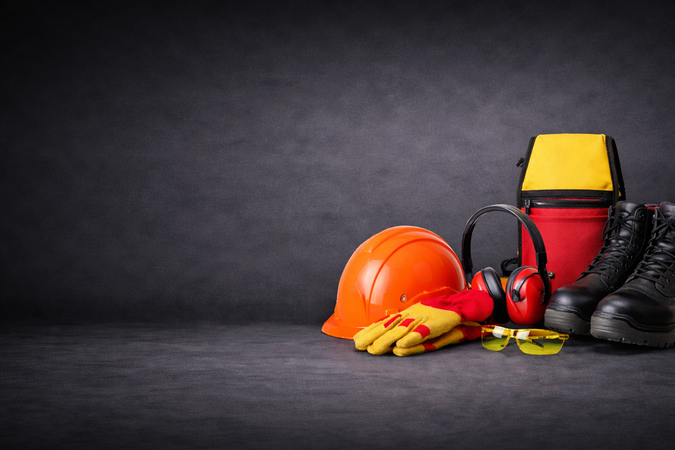
Even if the factory floor is designed perfectly, workers still need proper safety boots to protect their feet from common industrial hazards. Safety boots are essential, especially in areas like delivery rooms where heavy packages and sharp materials are handled daily.
Safety boots provide several protections:
-
Anti-slip soles to prevent slips and falls on wet, oily, or dusty floors
-
Steel or composite toe protection to shield toes from falling objects
-
Puncture resistance to protect against sharp objects like nails or broken packaging
-
Oil resistance to prevent the sole from deteriorating on oily surfaces
-
Electrical hazard protection to reduce the risk of electric shocks in areas with exposed wiring or electrical panels
In high-risk areas, wearing safety boots is mandatory, as they work together with floor design and other safety measures to prevent injuries and keep workers safe.
Other Essential Floor Safety Products
Anti-Slip Floor Mats
Placed in high traffic areas to reduce slipping.
Entrance Mats
Reduce dust and water entering from outside.
Cable Protectors
Prevent tripping over electrical cables.
Spill Control Kits
Help clean oil or chemical spills quickly.
Warning Floor Signs
Alert workers about wet surfaces or forklift movement.
Floor Marking Tapes
Define walking paths and forklift lanes clearly.
These products improve organization and reduce accidents.
Floor Surface Selection
The floor material itself matters.
Safe flooring should be:
-
Slip resistant
-
Easy to clean
-
Durable under heavy load
-
Resistant to chemicals
Epoxy-coated floors are often used in industrial areas for durability.
Daily Inspection Checklist
To maintain a safe workplace, managers should inspect the delivery room floor every day. Daily inspections help identify hazards early and prevent accidents before they occur.
A typical inspection checklist includes:
-
Check for spills: Look for water, oil, or other liquids that could cause slips.
-
Inspect insulating mats: Ensure mats near electrical panels are intact and safe.
-
Ensure lockout procedures are followed: Verify that machines under maintenance are properly locked out.
-
Confirm workers wear safety boots: Make sure all employees are wearing proper footwear for protection.
-
Check lighting: Ensure all areas are well-lit to avoid trips and collisions.
-
Verify clear walking paths: Remove obstacles and keep walkways free from clutter.
Regular inspections help prevent accidents, keep workers safe, and ensure that safety procedures are followed consistently.
Training Workers on Floor Safety
Training is as important as equipment. Workers must know:
-
How to report hazards
-
How to clean spills
-
Where to walk
-
How to use PPE
-
How to apply lockout procedures
Safety awareness reduces human error.
Lighting and Visibility
Proper lighting prevents many accidents.
Delivery rooms should have:
-
Bright overhead lights
-
Emergency lighting
-
Reflective floor markings
Good visibility reduces collision and fall risks.
Emergency Preparedness
Factories must prepare for emergencies.
Emergency planning includes:
-
Clear evacuation routes
-
Emergency lighting
-
Fire extinguishers
-
First aid kits
-
Emergency contact signs
Quick response can reduce injury severity.
Maintenance of Floor Safety Systems
Floor safety systems must be maintained.
Maintenance includes:
-
Replacing worn mats
-
Checking anti-slip coatings
-
Repairing cracks
-
Testing lockout devices
Safety equipment must be functional at all times.
Financial Impact of Unsafe Floors
Unsafe floors in industrial areas can be very costly for companies. Slips, trips, and falls not only endanger workers but also create financial and operational problems.
Common financial consequences of unsafe floors include:
-
Worker injuries, which may require medical treatment and time off work
-
Legal penalties for violating workplace safety regulations
-
Production delays when operations must stop due to accidents or cleanup
-
Compensation costs paid to injured employees
-
Reputation damage, which can affect client trust and employee morale
Investing in floor safety, such as anti-slip surfaces, proper drainage, and safety boots, is cheaper in the long run than handling the costs of accidents after they happen.
FAQ – Frequently Asked Questions
1. Why is the delivery room floor considered high risk?
Because of heavy traffic, forklifts, spills, and electrical panels.
2. How can insulating mats improve safety?
They protect workers from electrical shock near panels.
3. Why is lockout tagout important in delivery areas?
It prevents machines from starting during maintenance.
4. Are safety boots required for delivery room workers?
Yes, they protect feet from heavy and sharp objects.
5. How often should floor inspections be done?
Daily inspections are recommended.
6. What is the best flooring type for factories?
Slip-resistant and durable industrial flooring like epoxy.
7. Can poor lighting cause accidents?
Yes, poor visibility increases fall and collision risk.
8. Does AMAN provide floor safety solutions in Egypt?
Yes, AMAN provides certified floor safety systems and industrial safety products across Egypt.
Ensuring the safety of the delivery room floor requires planning, certified products, worker training, and regular inspection. With the right systems and expert support from AMAN, factories can create a safe and efficient working environment.
AMAN does not just sell products. AMAN provides complete floor safety systems that reduce risk and protect workers.
-
Experience since 2006
-
Certified and tested safety products
-
Customized industrial safety solutions
-
Technical consultation
-
Strong reputation in Egypt
AMAN is focused on protecting lives and minimizing accident risks. By working closely with customers and leading manufacturers, AMAN designs tailored safety solutions that meet daily industrial needs.
AMAN understands the financial pressure of running a business while maintaining a safe work environment. That is why AMAN focuses on reducing total safety costs by providing high-quality certified safety products.
The AMAN team is friendly, knowledgeable, and ready to support customers in person, by phone, or online. They help factories choose the correct insulating mats, lockout systems, PPE, and floor safety solutions.
At AMAN, where we put People first, your safety is our concern.