
Blog
Food Factory Safety Equipment in Egypt: Complete Guide for Food Companies

Food factories and food companies must follow strict safety standards to protect workers, products, and consumers. In food production facilities, there are many risks, including hot surfaces, sharp tools, wet floors, cleaning chemicals, and heavy machinery. That is why installing emergency systems like a safety shower and eyewash station is necessary in chemical cleaning areas, placing a commercial entrance floor mat at entry points helps prevent slips and contamination, and using a ceramic safety cutter in packaging areas reduces injury risk and prevents metal contamination in food products. Food safety and worker safety must go hand in hand.
This complete guide explains the most important safety equipment required in food factories and how companies in Egypt can build a safe and compliant working environment.
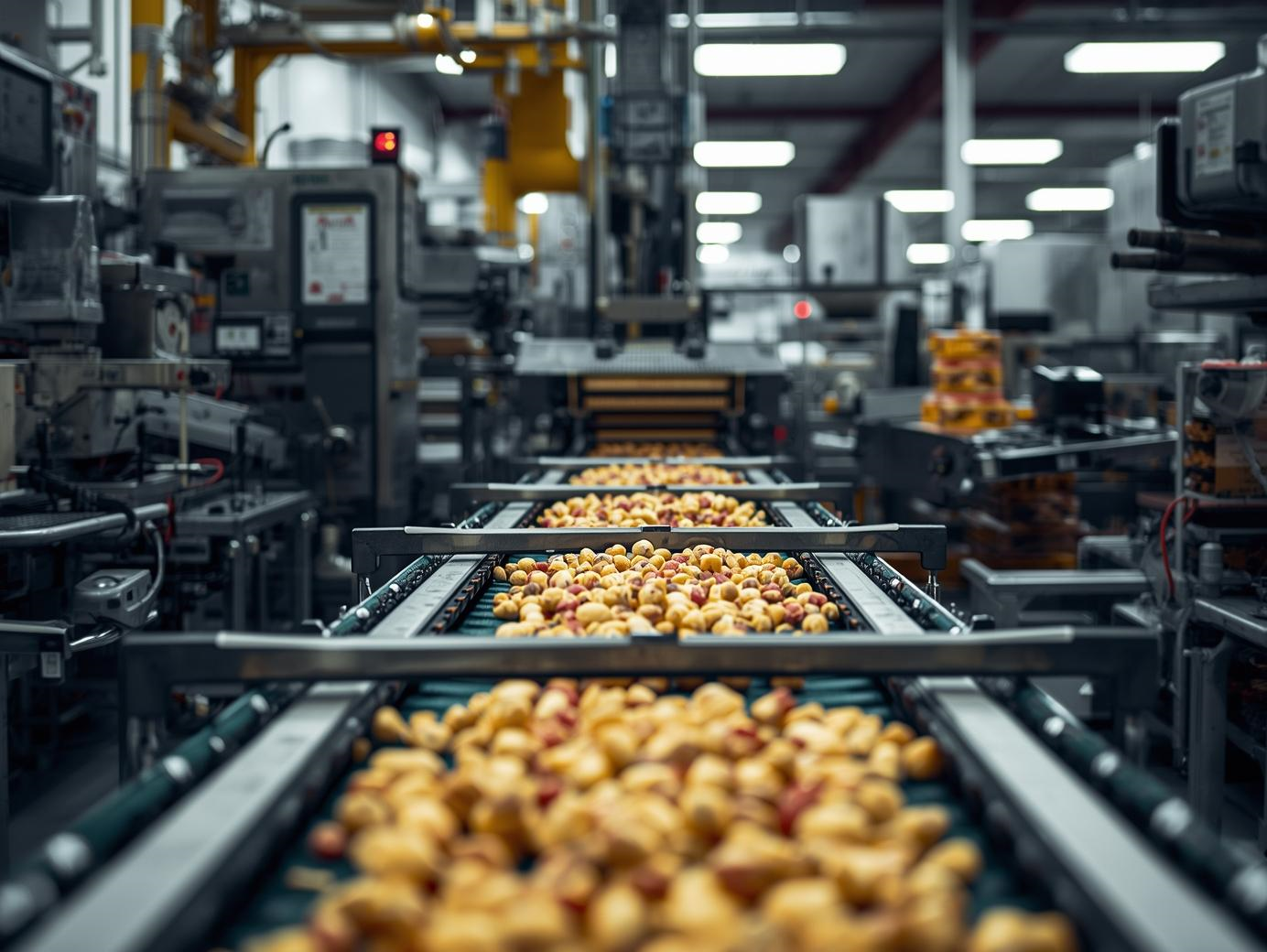
Food factories operate in high-speed environments. Production lines move quickly, packaging areas handle sharp materials, and cleaning chemicals are used daily. Without proper safety systems, accidents can happen, and food contamination may occur.
Why Safety Is Critical in Food Factories
Safety is one of the most important priorities in food factories. These facilities handle raw materials, heavy machinery, sharp tools, and strict hygiene processes every day. Without strong safety systems, the risk of injury, contamination, and financial loss increases significantly.
Food factories must operate in a controlled and secure environment to protect people, products, and the business itself.
Protecting Workers from Injuries
Food factory workers are exposed to multiple hazards, such as:
- Slippery floors
- Sharp cutting tools
- Moving machinery
- Hot surfaces
- Cleaning chemicals
Without proper safety procedures and protective equipment, workers may suffer from cuts, burns, falls, or serious machine-related accidents. A strong safety culture reduces workplace injuries and ensures a healthier working environment.
Protecting Products from Contamination
Food safety is directly linked to public health. Contamination can occur through:
- Poor hygiene
- Unsafe handling
- Cross-contamination
- Foreign objects entering production lines
Strict sanitation procedures, protective clothing, and controlled environments are essential to prevent contamination. Safe factories ensure that food products remain clean and safe for consumers.
Protecting Equipment from Damage
Food processing equipment is expensive and critical for production. Unsafe operation can lead to:
- Mechanical failure
- Production downtime
- Costly repairs
- Reduced efficiency
Proper training, regular maintenance, and safe operation practices help extend equipment life and maintain smooth production.
Protecting Brand Reputation
A single safety failure can damage a company’s reputation. Incidents such as product recalls, contamination cases, or worker injuries can result in:
- Loss of customer trust
- Negative media attention
- Legal penalties
- Financial losses
Maintaining high safety standards protects the brand image and strengthens customer confidence.
Ensuring Compliance with Health Regulations
Food factories must follow strict local and international health regulations. Compliance ensures:
- Passing inspections
- Avoiding fines
- Maintaining operating licenses
- Meeting quality standards
Failure to meet regulations can lead to factory shutdowns or legal consequences.
Main Hazards in Food Manufacturing Facilities
1. Slips and Falls
Water, oil, and food waste can create slippery floors.
2. Sharp Tools and Cutting Equipment
Knives and cutters may cause hand injuries.
3. Chemical Exposure
Cleaning chemicals may irritate skin or eyes.
4. Machine Hazards
Mixers, conveyors, and packing machines may cause injuries.
5. Fire and Electrical Risks
Ovens and electrical panels increase risk.
6. Contamination Risk
Foreign objects can contaminate food products.
Understanding these risks helps companies choose the right safety equipment.
The Importance of Safety Shower and Eyewash Systems
In food factories, cleaning chemicals and disinfectants are used daily to maintain hygiene and prevent contamination. While these chemicals are necessary, they can be harmful if they come into contact with the skin or eyes. Installing a safety shower and eyewash system ensures an immediate emergency response in case of accidental chemical splashes.
Quick access to emergency washing equipment can prevent serious injuries and reduce long-term health damage. These systems are essential to workplace safety in environments where chemicals are handled regularly.
Why Safety Shower and Eyewash Systems Are Essential
Fast Emergency Washing
In the event of chemical exposure, time is critical. A safety shower and eyewash station allows workers to immediately rinse affected areas. Fast flushing helps remove harmful substances before they cause severe damage.
Immediate action can significantly reduce the severity of injuries.
Reduced Chemical Burn Risk
Chemicals used for cleaning and sanitation may cause burns or irritation. Emergency washing systems help dilute and wash away chemicals quickly, reducing:
- Skin burns
- Eye irritation
- Long-term tissue damage
Early rinsing is often the key to preventing serious harm.
Protection for Eyes and Skin
Eyes are especially sensitive to chemical exposure. Eyewash stations provide a controlled stream of clean water to flush contaminants safely. Safety showers allow full-body rinsing when large areas are exposed.
These systems help protect:
- Vision
- Skin health
- Worker safety
Compliance with Safety Standards
Many occupational safety regulations require emergency washing stations in facilities that use hazardous chemicals. Installing a safety shower and eyewash system helps ensure:
- Compliance with workplace safety standards
- Successful safety inspections
- Reduced legal risk
- Improved workplace safety culture
Proper Installation Locations
Safety shower and eyewash stations should be installed:
- Near chemical storage areas
- Close to cleaning and sanitation zones
- In areas with high chemical exposure risk
- In easily accessible and clearly marked locations
They must remain unobstructed and ready for immediate use at all times.
Role of Commercial Entrance Floor Mat in Food Safety
A commercial entrance floor mat plays an important role in both worker safety and food hygiene inside food factories. Entrances are high-risk areas because workers, visitors, and suppliers constantly move in and out. Without proper floor protection, water, dirt, and contaminants can easily enter production zones.
Entrance mats act as the first protective barrier between the outside environment and sensitive food processing areas.
Why Entrance Mats Are Important
Reduce Slipping Accidents
Wet or dirty floors increase the risk of slips and falls. A commercial entrance floor mat:
- Absorbs moisture from shoes
- Provides an anti-slip surface grip
- Reduces workplace injuries
- Improves overall worker safety
This is especially important in food factories where floors are often washed.
Prevent Water and Dirt Entry
Shoes can carry:
- Mud
- Dust
- Bacteria
- Chemical residues
Entrance mats trap these contaminants before they spread into production areas. This helps maintain hygiene and supports food safety standards.
Maintain Clean Production Areas
Clean production areas are critical in food factories. By capturing dirt at the entrance, mats help:
- Reduce cleaning frequency
- Lower contamination risk
- Maintain sanitary conditions
- Protect food quality
Protect Sensitive Processing Zones
Food processing zones must remain strictly controlled. A commercial entrance floor mat supports:
- Controlled movement between zones
- Reduced cross-contamination
- Compliance with hygiene protocols
Entrance mats are especially important during rainy seasons and in high-traffic areas where moisture and dirt levels are higher.
Why Use Ceramic Safety Cutter in Food Packaging
A ceramic safety cutter is a safer alternative to traditional metal blades, especially in food packaging areas. In environments where food safety is critical, tool selection directly affects contamination risk and worker safety.
Advantages of Ceramic Safety Cutter
Non-Metal Blade Reduces Contamination Risk
Traditional metal blades can break or leave metal fragments. A ceramic blade:
- Does not rust
- Reduces risk of metal contamination
- Supports food safety standards
- Is suitable for packaging environments
This is very important in food production facilities.
Safe Cutting Design
Ceramic safety cutters are designed with safety features that:
- Limit blade exposure
- Reduce accidental cuts
- Provide controlled cutting
- Improve handling comfort
This makes them safer for daily use.
Reduced Hand Injuries
Food factories require frequent opening of boxes and packaging materials. Using a ceramic safety cutter:
- Lowers the risk of deep cuts
- Reduces workplace accidents
- Improves worker confidence
- Supports a safer working environment
Long-Lasting Sharpness
Ceramic blades stay sharp longer than many traditional blades. This means:
- Less frequent blade replacement
- More consistent cutting performance
- Lower maintenance needs
- Improved efficiency
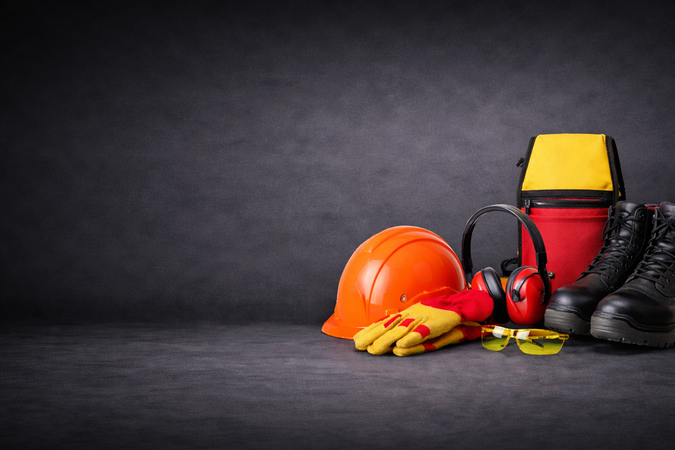
Personal Protective Equipment (PPE) for Food Factories
Safety Glasses
Workers must wear safety glasses in processing and packaging areas. They protect eyes from:
- Food particles
- Cleaning chemicals
- Dust
Protective Gloves
Gloves protect hands from cuts and contamination.
Safety Shoes
Slip-resistant safety shoes reduce fall risk.
Hair Nets and Protective Clothing
Prevent hair and fabric contamination.
PPE is essential in food production environments.
Facility Safety Equipment
Anti-Slip Floor Mats
Placed in wet areas to reduce slipping.
First Aid Kits
Provide quick treatment for minor injuries.
Fire Extinguishers
Installed near ovens and cooking areas.
Emergency Lighting
Helps during power failure.
These items improve overall safety.
Machine Safety Systems
Food factories use:
- Conveyor systems
- Mixing machines
- Packaging machines
Safety systems must include: - Machine guards
- Emergency stop buttons
- Lockout tagout systems
- Warning signs
Machine safety prevents serious injuries.
Gas Detection and Monitoring
Some food factories use refrigeration systems that may release gases. Gas detectors help:
- Detect leaks early
- Prevent worker exposure
- Reduce explosion risk
Portable and fixed gas detection systems improve safety.
Security Systems in Food Companies
Food factories must also protect their facilities from external threats. Security systems include:
- CCTV cameras
- Access control systems
- Alarm systems
- Perimeter monitoring
Security systems protect products and prevent unauthorized access.
Cleaning and Hygiene Safety
Cleaning chemicals must be stored safely.
Safety practices include:
- Proper labeling
- Chemical storage cabinets
- Spill control kits
- Safety data sheets
Hygiene and safety must work together.
Training Workers in Food Safety
Training workers in food safety is essential for maintaining a safe and efficient food production environment. Even with advanced equipment and strict procedures, safety depends largely on how well employees understand and follow the rules. Proper training reduces accidents, prevents contamination, and ensures compliance with health regulations.
A strong training program should be clear, practical, and repeated regularly to keep safety knowledge up to date.
Key Areas of Food Safety Training
Proper PPE Use
Personal Protective Equipment (PPE) is essential in food factories. Workers must be trained on:
- When to wear PPE
- How to wear it correctly
- How to inspect it for damage
- How to maintain and replace it
Common PPE includes gloves, hair nets, masks, safety shoes, and protective clothing. Correct PPE use reduces contamination and protects workers from injury.
Safe Machine Operation
Food factories use various machines such as cutters, mixers, conveyors, and packaging equipment. Workers must understand:
- How to operate machines safely
- Emergency stop procedures
- Lockout and tagout practices
- Maintenance reporting procedures
Proper machine training reduces mechanical accidents and equipment damage.
Emergency Response
Workers must know how to react quickly in emergencies. Training should cover:
- Fire evacuation procedures
- First aid basics
- Chemical spill response
- Use of emergency equipment
A quick and correct response can prevent serious injuries and limit damage.
Contamination Prevention
Preventing food contamination is one of the most important aspects of food safety. Workers should be trained in:
- Hand hygiene practices
- Cross-contamination prevention
- Clean workspace procedures
- Safe food handling techniques
Understanding hygiene protocols helps protect public health and maintain product quality.
Safe Chemical Handling
Cleaning chemicals and disinfectants are used daily in food factories. Workers must be trained on:
- Reading safety labels
- Proper storage of chemicals
- Safe mixing procedures
- Using protective equipment
- Emergency washing procedures
Safe chemical handling prevents burns, poisoning, and contamination.
Benefits of Proper Training
Well-trained workers:
- Reduce workplace accidents
- Improve production efficiency
- Maintain hygiene standards
- Protect equipment
- Ensure regulatory compliance
Training is not a one-time activity. Regular refresher sessions and safety updates help maintain high standards and create a strong safety culture.
In food factories, knowledgeable workers are the first line of defense against accidents and contamination.