
Blog
Is Your Factory Ready for Emergencies? Complete Industrial Safety Guide 2026

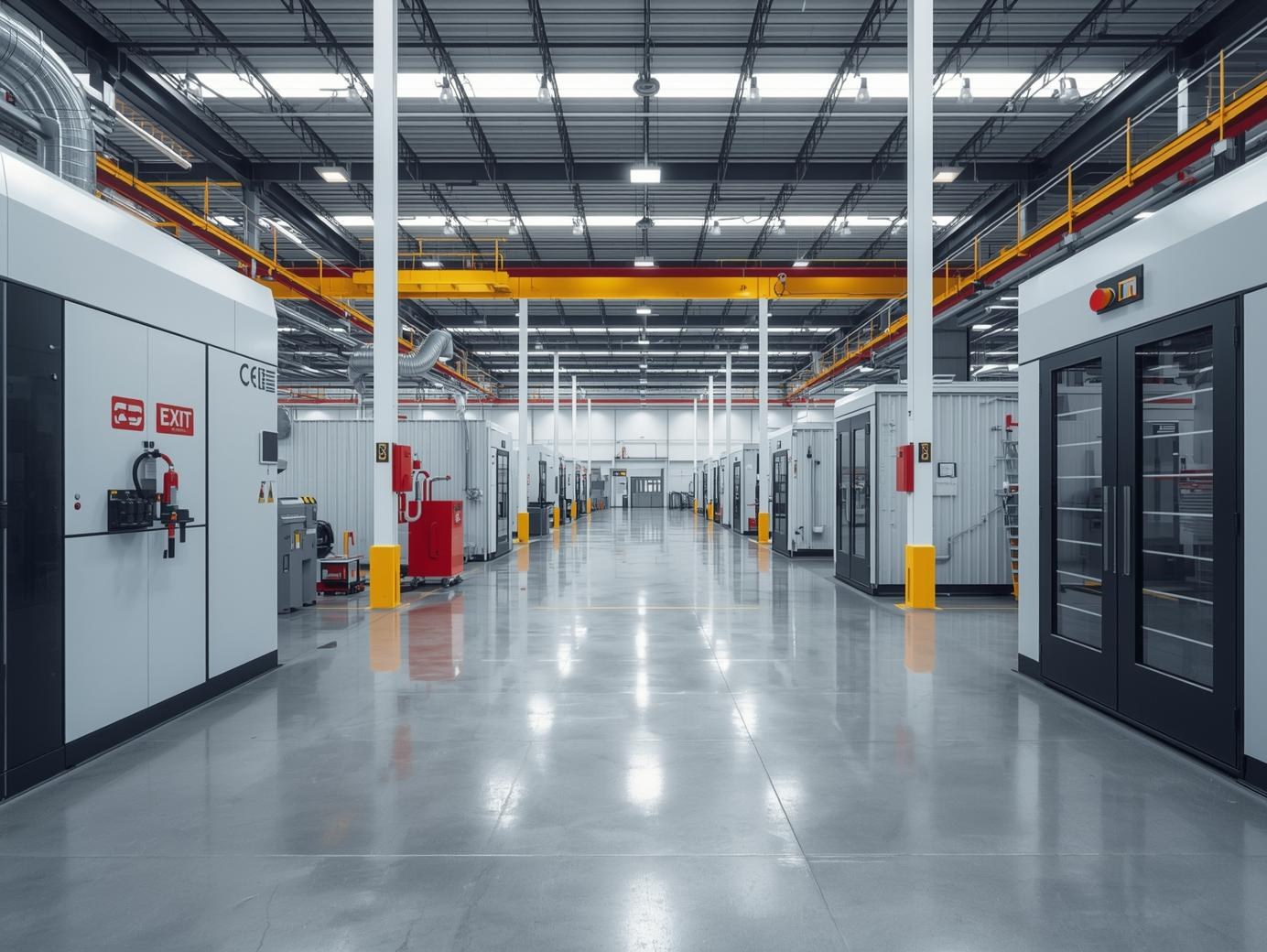
Emergencies can happen at any time in factories, warehouses, construction sites, or offices. Fires, chemical spills, gas leaks, machinery accidents, or electrical failures can occur without warning. This is why every company must prepare for emergencies before they happen. A workplace that is truly prepared will have essential systems such as a first aid box for immediate medical response, a safety shower and eyewash system to treat chemical exposure quickly, and reliable spill control equipment to manage hazardous leaks before they spread. Emergency preparedness is not just about reacting to accidents; it is about planning, equipment, and training that protect workers and prevent disasters.
A company that prepares for emergencies protects its employees, reduces financial losses, and ensures business continuity. When workers know that proper safety systems exist, they feel more confident and productive.
Why Emergency Preparedness Is Critical in Industrial Environments
Factories and industrial facilities contain many hazards that can lead to emergencies. These include machinery, chemicals, electrical systems, heavy materials, and pressurized equipment. Without preparation, even a small incident can become a serious disaster.
Main reasons companies must prepare include:
- Protecting employee lives
- Preventing major accidents
- Reducing damage to equipment
- Meeting safety regulations
- Maintaining production continuity
Emergency preparedness is a responsibility for every company.
Common Types of Industrial Emergencies
Industrial environments involve complex machinery, hazardous materials, and high-energy systems. Because of these conditions, various emergencies can occur if safety procedures are not properly followed. Understanding the most common types of industrial emergencies helps companies develop effective safety strategies and emergency response plans.
When workers and management are aware of these potential risks, they can take preventive measures that reduce accidents and protect both employees and facilities.
Below are some of the most common emergencies that may occur in industrial workplaces.
Fire and Explosion
Fire and explosion hazards are among the most serious emergencies in industrial environments. Many factories and production facilities contain flammable materials, electrical systems, and high-temperature machinery.
Fires can start due to several reasons, including:
- Electrical faults or short circuits
- Chemical reactions between hazardous materials
- Overheating machines or equipment
If a fire spreads quickly, it can cause severe damage to facilities and pose a serious threat to workers. This is why fire prevention systems, fire extinguishers, and emergency evacuation procedures are essential in industrial workplaces.
Chemical Spills
Chemical spills are another common industrial emergency, especially in factories, laboratories, and chemical processing plants. Many industrial processes involve liquids or substances that can be harmful if they leak or spill.
Chemical spills may cause:
- Skin burns or respiratory problems for workers
- Contamination of the surrounding environment
- Damage to equipment or work areas
Proper storage, labeling, and handling of chemicals are necessary to prevent such incidents. Emergency response procedures should also be in place to manage chemical leaks quickly and safely.
Gas Leaks
Gas leaks can occur in industries that use compressed gases, fuel gases, or chemical gases during production processes. Some gases may be toxic, while others may be highly flammable.
A gas leak can lead to serious risks such as:
- Breathing hazards for workers
- Risk of explosion if the gas is flammable
- Contamination of enclosed workspaces
Monitoring systems, proper ventilation, and regular equipment inspection are important measures that help detect and prevent gas leaks in industrial facilities.
Machinery Accidents
Industrial machinery plays a critical role in production, but it can also pose risks if not operated correctly. Workers may get injured if they come into contact with moving parts or heavy mechanical equipment.
Machinery accidents may include:
- Hands or clothing getting caught in moving parts
- Injuries from rotating or cutting tools
- Accidents caused by improper machine operation
Proper training, machine guards, and safety procedures help reduce the risk of machinery-related injuries.
Electrical Failures
Electrical systems power most industrial operations, but electrical failures can create serious hazards. Faulty wiring, damaged equipment, or overloaded circuits can lead to dangerous situations.
Electrical failures may cause:
- Electrical shocks to workers
- Short circuits that trigger fires
- Equipment malfunction or system shutdown
Regular maintenance of electrical systems and proper safety protocols are necessary to prevent electrical accidents in industrial facilities.
Importance of Understanding Industrial Risks
Understanding the different types of industrial emergencies allows companies to develop effective safety policies and emergency response plans. When workers are trained to recognize potential hazards, they can respond quickly and reduce the severity of accidents.
Proper safety planning, regular inspections, and employee training help create a safer workplace where risks are minimized and emergency situations can be managed effectively.
Emergency Medical Response and the Role of a First Aid Box
Emergency medical response is one of the most important components of workplace safety in industrial environments. In factories, construction sites, and production facilities, accidents can happen unexpectedly. Having a well-equipped first aid box allows workers to provide immediate care for injuries before professional medical assistance arrives.
Quick access to a properly stocked first aid box can help control bleeding, prevent infections, and reduce the severity of injuries. Immediate treatment during the first few minutes after an accident can make a significant difference in protecting the health and safety of workers.
For this reason, every industrial workplace should ensure that a first aid box is available, fully equipped, and easy to access during emergency situations.
A properly prepared first aid box should contain basic medical supplies that allow workers to respond quickly to common workplace injuries. These supplies help provide initial treatment for cuts, burns, eye irritation, and other minor injuries.
Bandages and Sterile Gauze
Bandages and sterile gauze are essential items in any first aid box. They are used to cover wounds, control bleeding, and protect injuries from contamination.
Sterile gauze helps keep wounds clean while promoting proper healing, especially in industrial environments where exposure to dust and dirt is common.
Antiseptic Solution
Antiseptic solutions are used to clean wounds and prevent infections. Applying an antiseptic from the first aid box helps remove bacteria and reduces the risk of infection after a cut or abrasion.
Common antiseptic solutions include alcohol wipes or disinfectant liquids used for wound cleaning.
Burn Treatment Materials
In many industrial workplaces, workers may be exposed to hot surfaces, sparks, or chemicals that can cause burns. Burn treatment materials in the first aid box help provide immediate relief and reduce skin damage.
Burn creams, sterile burn dressings, and cooling gels are commonly included to treat minor burn injuries.
Disposable Gloves
Disposable gloves are an important safety item in a first aid box. They protect both the injured person and the individual providing assistance from potential contamination or infection.
Using gloves ensures hygienic treatment and helps maintain a safe first aid procedure.
Eye Wash Solution
Dust, chemicals, or small particles can enter the eyes in industrial environments. Eye wash solutions included in the first aid box allow workers to rinse their eyes immediately and remove harmful substances.
Quick eye irrigation helps prevent serious eye injuries and reduces irritation.
Emergency Contact Information
A well-prepared first aid box should also include emergency contact information. This information helps workers quickly reach medical services, supervisors, or emergency responders when an incident occurs.
Having emergency numbers clearly available ensures faster communication during urgent situations.
Proper Placement and Maintenance of a First Aid Box
To ensure effective emergency response, first aid boxes should be placed in easily accessible locations throughout the workplace. Workers should know where these kits are located and how to use the supplies inside.
Regular inspection is also important to ensure that the first aid box remains fully stocked and that all materials are in good condition. Expired or damaged supplies should be replaced immediately.
By maintaining accessible and well-equipped first aid boxes, companies can improve workplace safety and ensure that workers receive immediate medical care when accidents occur.
Chemical Exposure Protection with Safety Shower and Eyewash
In industrial environments where chemicals are used, the risk of accidental exposure is a serious safety concern. Workers may come into contact with hazardous liquids, corrosive substances, or chemical vapors during manufacturing or laboratory processes. For this reason, installing a safety shower and eyewash station is an essential part of workplace safety.
If chemicals splash onto a worker’s skin or eyes, immediate washing is critical to reduce the risk of severe injury. A properly installed safety shower and eyewash station allows workers to quickly remove harmful substances from their bodies before the chemicals cause further damage.
These emergency systems are designed to provide rapid response during chemical accidents and help protect workers from burns, irritation, and long-term health problems.
The Role of a Safety Shower in Chemical Emergencies
A safety shower is designed to quickly wash chemicals from the entire body. In the event of a chemical spill or splash, workers can activate the shower and rinse off hazardous substances immediately.
Safety showers provide several important functions, including:
Immediate Full-Body Washing
A safety shower delivers a large volume of water that quickly covers the worker’s entire body. This rapid washing helps dilute and remove dangerous chemicals from clothing and skin.
Immediate rinsing reduces the risk of chemical burns and skin damage.
Strong Water Flow for Chemical Removal
The water flow in a safety shower is designed to be strong enough to remove chemicals efficiently. This powerful flow helps wash away harmful substances before they can penetrate the skin.
The continuous stream of water ensures that contaminants are flushed away as quickly as possible.
Emergency Response Within Seconds
In chemical exposure situations, time is extremely important. A safety shower and eyewash system allows workers to respond within seconds after an accident occurs.
Quick access to these systems significantly reduces the severity of chemical injuries.
The Role of an Eyewash Station
An eyewash station is specifically designed to protect the eyes from chemical exposure. If chemicals or particles enter the eyes, immediate flushing with clean water is necessary to prevent permanent damage.
Eyewash stations provide several important safety benefits.
Gentle Flushing of the Eyes
An eyewash station produces a controlled and gentle stream of water that safely rinses the eyes without causing additional irritation.
This gentle flow allows workers to keep their eyes open while washing out contaminants.
Removal of Chemical Particles
During chemical accidents, small particles or liquid chemicals may enter the eyes. The continuous flow from an eyewash station helps remove these harmful substances quickly.
Removing contaminants early helps reduce the risk of serious eye injury.
Prevention of Long-Term Eye Damage
Immediate eye flushing with an eyewash station can prevent severe complications such as vision loss, eye burns, or long-term irritation.
Rapid treatment is essential to protect workers’ eyesight and overall health.
Proper Placement of Safety Shower and Eyewash Systems
For maximum effectiveness, safety shower and eyewash stations should always be installed near areas where chemicals are stored, handled, or processed.
Workers should be able to reach these emergency systems within seconds in case of exposure. Clear signage and unobstructed access help ensure that employees can quickly locate and use the equipment during emergencies.
Regular inspection and maintenance are also important to make sure the safety shower and eyewash systems remain fully functional at all times. Properly maintained emergency equipment plays a critical role in protecting workers from chemical hazards in industrial environments.
Managing Hazardous Leaks with spill control equipment
Chemical spills can quickly spread and create dangerous conditions. Companies must install proper spill control equipment to contain leaks immediately.
Spill control tools include:
- Absorbent pads
- Spill kits
- Containment booms
- Drain covers
- Chemical-resistant gloves
Fast response reduces environmental damage and protects workers.
Additional Emergency Safety Equipment
In industrial workplaces, basic safety systems such as fire extinguishers, first aid kits, and emergency exits are essential. However, many environments require additional emergency safety equipment to ensure complete protection for workers and facilities.
Using advanced safety equipment helps detect hazards early, reduce the risk of accidents, and improve emergency response. Companies that invest in proper safety systems can create a safer working environment and protect employees from serious workplace dangers.
Below are some important types of additional emergency safety equipment used in industrial settings.
Gas Detectors
Gas detectors are critical safety devices used to monitor the air for dangerous gases that may be present in industrial environments. In factories, chemical plants, oil and gas facilities, and confined spaces, certain gases can accumulate and create serious health and safety risks.
Gas detectors continuously measure air quality and alert workers if dangerous gas levels are detected.
Common Gases Monitored by Gas Detectors
Gas detection systems are designed to identify hazardous gases such as:
- Carbon monoxide
- Methane
- Hydrogen sulfide
- Oxygen deficiency
These gases can cause poisoning, breathing difficulties, or even explosions if they reach dangerous concentrations.
Importance of Early Gas Detection
Early detection of hazardous gases is extremely important in preventing industrial accidents. Gas detectors provide immediate warnings, allowing workers to evacuate or take corrective action before conditions become dangerous.
By monitoring the environment continuously, gas detectors help protect workers from toxic exposure and reduce the risk of explosions.
Fire Detection and Alarm Systems
Fire detection systems play a crucial role in identifying fires at an early stage. Industrial facilities often contain machinery, electrical equipment, and combustible materials that can increase the risk of fire.
Fire detection and alarm systems alert workers quickly, allowing them to respond before the fire spreads.
Key Components of Fire Detection Systems
A complete fire detection system usually includes several important devices:
- Smoke detectors that identify smoke particles in the air
- Heat detectors that respond to high temperatures
- Fire alarm control panels that monitor and manage the system
- Emergency alarms that notify workers to evacuate
When these systems work together, they provide fast detection and clear warning signals that help protect workers and facilities.
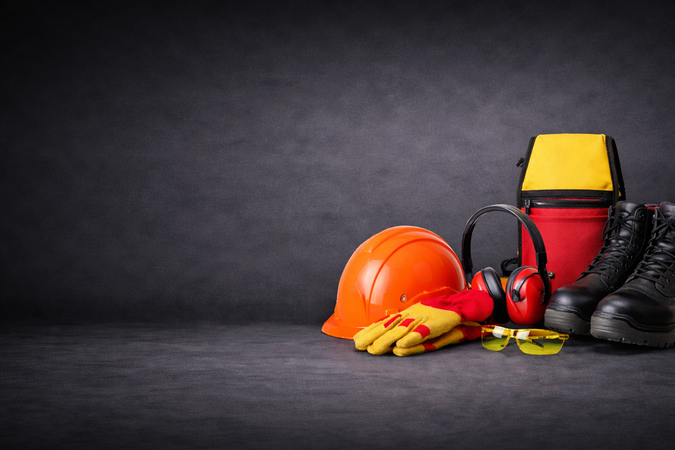
Personal Protective Equipment (PPE)
Personal Protective Equipment, commonly known as PPE, is an essential part of daily workplace safety. PPE protects workers from hazards that cannot be completely eliminated through engineering controls or safety systems.
Workers should always wear the appropriate PPE based on the tasks they perform and the risks present in their work environment.
Common Types of PPE Used in Industry
Typical PPE used in industrial workplaces includes:
- Safety helmets to protect the head from falling objects
- Safety glasses to shield the eyes from dust and particles
- Protective gloves to protect hands from cuts and chemicals
- Safety shoes to protect feet from impact and sharp objects
- High visibility clothing to improve worker visibility in busy work areas
Importance of PPE in Workplace Safety
PPE provides daily protection against many workplace hazards. When workers consistently wear proper protective equipment, the risk of injuries can be significantly reduced.
Combined with other safety systems, PPE plays a key role in creating a safer and more controlled industrial working environment.
Emergency Communication Systems
During an emergency, communication is essential. Companies must have:
- Alarm systems
- Emergency announcements
- Clear evacuation signals
Workers must know how to respond quickly when alarms sound.
Evacuation Planning and Emergency Routes
Every facility must design safe evacuation routes.
These routes should:
- Be clearly marked
- Remain free from obstacles
- Lead to safe assembly points
Regular evacuation drills help workers learn how to respond quickly.
Emergency Training for Employees
Equipment alone cannot guarantee safety. Workers must be trained on how to respond during emergencies.
Training should include:
- First aid procedures
- Fire response techniques
- Gas leak response
- Chemical spill management
- Evacuation procedures
Well-trained workers can prevent accidents from becoming disasters.
Maintenance and Inspection of Emergency Systems
Emergency equipment must be inspected regularly to ensure it works when needed.
Maintenance tasks include:
- Checking first aid supplies
- Testing alarms and detectors
- Inspecting safety showers
- Replacing used spill kits
Proper maintenance ensures reliability.
Financial Benefits of Emergency Preparedness
Preparing for emergencies is not only about safety; it also benefits the company financially.
Benefits include:
- Reduced accident costs
- Lower insurance expenses
- Avoiding legal penalties
- Protecting company reputation
- Preventing production downtime
Prepared companies operate more efficiently and safely.
Building a Safety Culture in the Workplace
Emergency preparedness must become part of the company culture.
A strong safety culture includes:
- Management commitment
- Regular training
- Clear safety policies
- Open communication
Workers should feel responsible for safety.
FAQ – Frequently Asked Questions
Why is emergency preparedness important in factories?
It protects workers and prevents accidents from becoming major disasters.
What equipment is needed for emergency preparedness?
First aid kits, fire alarms, gas detectors, spill control systems, and PPE.
How often should emergency equipment be inspected?
Regular inspections should be performed according to safety standards.
Do all factories need gas detectors?
Factories using chemicals or gases should install gas detection systems.
What role does employee training play in emergency response?
Training ensures workers know how to react quickly and safely.
Does AMAN provide industrial safety solutions in Egypt?
Yes, AMAN provides complete safety equipment and customized solutions for factories and companies across Egypt.
Emergency preparedness is essential for every company and factory. By installing proper safety equipment, training employees, and working with trusted safety providers like AMAN, businesses can create safer workplaces and prevent serious accidents before they happen.
AMAN Industrial Safety Solutions
Founded in 2006 in Cairo, Egypt, AMAN focuses on protecting lives and minimizing workplace risks. By working closely with customers and leading manufacturers, AMAN designs tailored safety solutions for factories, construction sites, and industrial facilities.
AMAN understands the financial pressures companies face when providing safe workplaces. That is why AMAN provides high-quality safety equipment designed to reduce risks and lower long-term costs.
The AMAN team is friendly, knowledgeable, and ready to assist customers in choosing the right emergency safety equipment. Support is available in person, by phone, or online.
At AMAN, where we put People first, your safety is our concern.