Tips & Information

Importance of Safety Shoes in Factories and Industrial Sites in Egypt 2026

Safety Shoes in Egypt

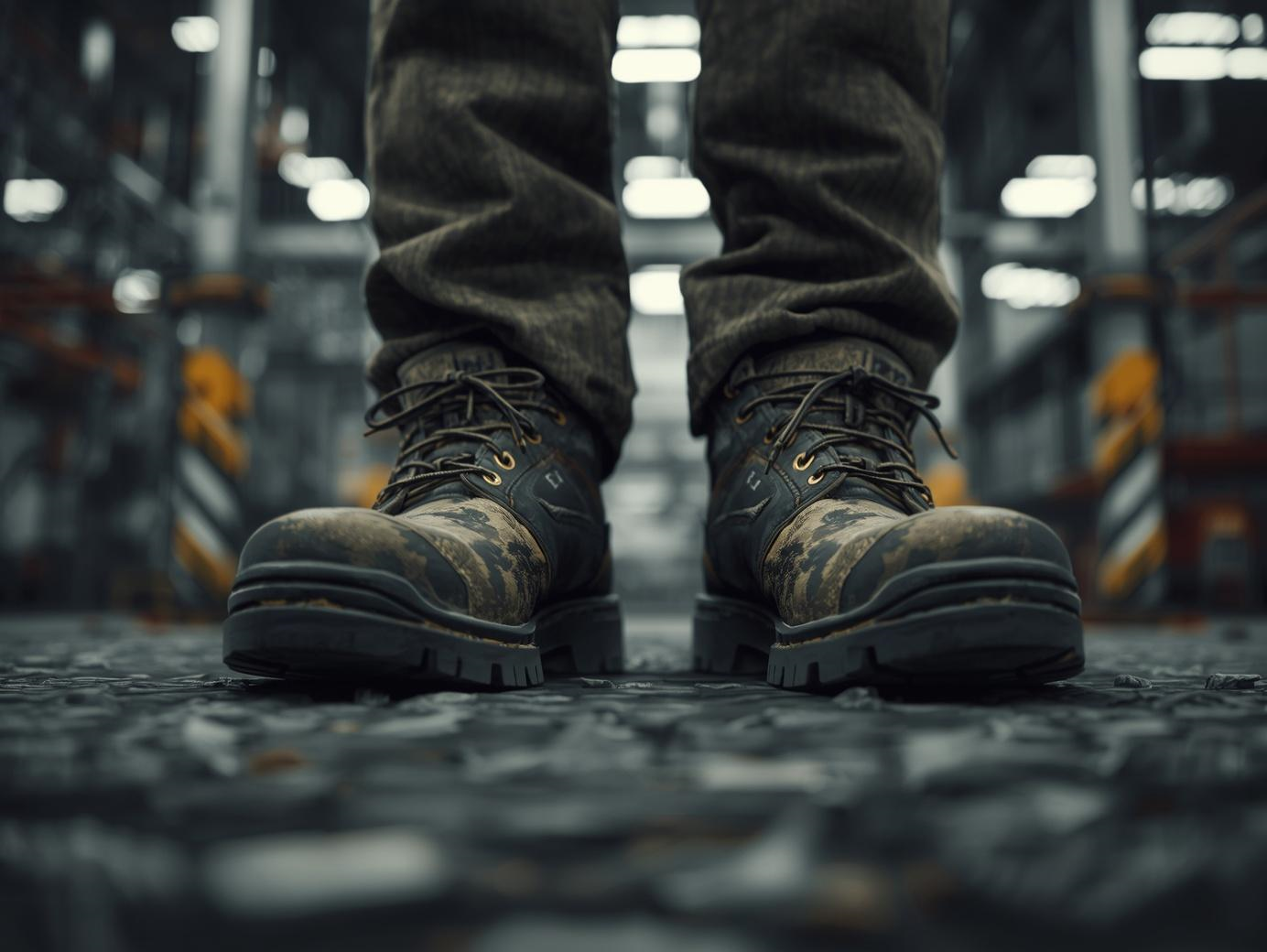
In modern factories and engineering worksites, worker safety must always come first. Industrial environments include heavy machinery, sharp tools, slippery floors, and falling objects. This is why protective equipment is essential. For example, workers often need certified safety shoes Egypt suppliers provide to protect their feet from heavy loads and sharp materials. At the same time, placing an entrance floor mat at facility entry points helps reduce slipping risks caused by water and dust. In high-temperature environments such as welding or heavy manufacturing, wearing a fire retardant uniform also adds another layer of protection. All these safety measures work together, but one of the most important pieces of personal protective equipment remains safety shoes. Safety shoes protect workers every step they take inside factories and industrial sites.


Industrial workplaces operate in complex environments where workers move constantly between machines, materials, and equipment. Without proper protective footwear, even a small accident can cause serious injuries such as fractures, cuts, burns, or crushing injuries. Safety shoes are designed specifically to prevent these risks and provide stability during work activities.

Why Safety Shoes Are Essential in Industrial Environments

Safety shoes are considered one of the most important types of personal protective equipment used in industrial workplaces. In many factories, construction sites, warehouses, and production facilities, workers are exposed to different risks that can cause serious injuries if proper protection is not used. This is why safety shoes play a vital role in maintaining workplace safety and protecting workers’ feet during daily tasks.

Industrial environments often contain heavy machinery, sharp materials, slippery floors, and hazardous substances. Without proper foot protection, workers may suffer injuries that can affect their health and ability to work. Safety shoes are specially designed to provide protection, stability, and comfort while reducing the risk of accidents in the workplace.

By wearing the right safety shoes, workers can move confidently within industrial areas while minimizing the chances of foot injuries.

Common Workplace Hazards That Require Safety Shoes

Workers in industrial environments face many potential dangers during their daily activities. Safety shoes help reduce the impact of these hazards and provide essential protection for the feet.

Heavy Objects Falling on Feet

In many industrial settings, tools, equipment, or materials may accidentally fall during handling or transportation. Safety shoes with reinforced toe protection help protect workers’ feet from serious injuries caused by falling heavy objects.

Steel-toe or composite-toe and Osborn Pro-Tek Toe Caps safety shoes are specifically designed to absorb impact and reduce the risk of crushed toes.

Sharp Materials on the Floor

Factories and construction areas often have sharp objects such as metal pieces, nails, broken glass, or sharp tools on the ground. Stepping on these objects can cause deep injuries if workers are not wearing proper protective footwear.

Safety shoes are designed with strong and durable soles that help prevent sharp materials from penetrating the shoe and injuring the foot.

Slippery Surfaces

Many industrial workplaces have wet or oily floors that increase the risk of slipping. Slips and falls are among the most common workplace accidents.

Safety shoes usually feature anti-slip soles that provide better grip and stability, allowing workers to walk safely even on slippery surfaces.

Electrical Hazards

In environments where electrical equipment is used, workers may face the risk of electrical shocks. Certain types of safety shoes are designed with special insulating materials that help reduce the risk of electrical hazards.

These shoes provide an additional layer of protection for workers who operate near electrical systems or equipment.

Chemical Spills

Industrial workplaces may involve chemicals, oils, and other hazardous liquids that can damage regular footwear and harm the skin. Safety shoes made from chemical-resistant materials help protect workers from exposure to these substances.

This protection is especially important in laboratories, chemical plants, and manufacturing facilities.

Extreme Temperatures

Some industrial environments expose workers to extreme temperatures, including very hot surfaces or extremely cold conditions. Specialized safety shoes are designed to provide insulation and protect the feet from temperature-related injuries.

Heat-resistant or insulated safety shoes help workers remain safe and comfortable even in challenging working conditions.

Common Foot Injuries in Factories

In many industrial environments, workers face daily risks that can lead to serious foot injuries. Factories, construction sites, and production facilities often contain heavy machinery, sharp materials, slippery floors, and hazardous equipment. Without proper protective footwear, these workplace hazards can cause accidents that may lead to long-term injuries.

This is why safety shoes are an essential part of personal protective equipment in industrial settings. They are specifically designed to protect workers’ feet and reduce the risk of injuries caused by common workplace hazards.

Below are some of the most common foot injuries that can occur in factories when proper protective footwear is not used.

Crushing Injuries

Crushing injuries are one of the most serious risks in factories and industrial workplaces. Heavy equipment, tools, or materials may accidentally fall during lifting, transportation, or machine operation.

When a heavy object falls directly on the foot, it can cause broken bones, severe bruising, or permanent damage. Safety shoes with reinforced toe protection, such as steel toe caps or composite toe caps, are designed to absorb impact and protect the toes from heavy falling objects.

Puncture Wounds

Factories and construction sites often have sharp materials on the ground. Nails, metal fragments, broken glass, or sharp tools can easily pierce through regular shoes.

Puncture wounds can cause deep injuries and increase the risk of infection. Safety shoes are designed with thick, puncture-resistant soles that prevent sharp objects from penetrating the shoe and reaching the foot.

Slips and Falls

Slips and falls are among the most common workplace accidents in industrial environments. Wet floors, oil spills, dust, or loose materials can make surfaces extremely slippery.

Workers who are not wearing proper footwear may lose balance and fall, which can lead to injuries not only to the feet but also to other parts of the body. Safety shoes often include anti-slip soles that provide better grip and stability, helping workers move safely across different surfaces.

Burns and Heat Exposure

In certain industries such as welding, metal work, or manufacturing, workers may be exposed to extremely hot surfaces or sparks. Regular footwear cannot provide adequate protection in these environments.

Heat-resistant safety shoes are designed to protect the feet from burns, sparks, and high temperatures. These specialized shoes help reduce the risk of injury in high-heat working conditions.

Electrical Shock

Electrical hazards are another serious risk in some industrial workplaces. Workers who operate near electrical equipment or power systems may face the danger of electric shock.

Certain safety shoes are designed with insulating materials that help protect workers from electrical hazards. These shoes reduce the risk of electric current passing through the body and provide an extra layer of safety.

How Safety Shoes Help Prevent Foot Injuries

Safety shoes are specifically engineered to protect workers from the common injuries found in industrial environments. Their reinforced structure, durable materials, and specialized protective features help reduce the risk of accidents and injuries.

By wearing proper safety shoes, workers can protect their feet from crushing impacts, sharp objects, slippery surfaces, heat exposure, and electrical hazards. This makes safety shoes an essential part of maintaining a safe and productive workplace.

Types of Safety Shoes Used in Industry

Different industrial workplaces have different safety requirements. Because of the wide variety of risks found in factories, construction sites, and manufacturing facilities, several types of safety shoes are designed to provide specific protection for workers.

Choosing the correct type of safety shoes depends on the work environment, the level of risk, and the type of hazards workers may face during their daily tasks. Each type of protective footwear is built with specialized materials and safety features to reduce the risk of injury.

Below are some of the most common types of safety shoes used in industrial environments.

Steel Toe Safety Shoes

Steel toe safety shoes are among the most widely used types of protective footwear in industrial workplaces. These shoes include a strong steel cap placed in the toe area to protect the front part of the foot.

Steel toe safety shoes are designed to protect workers from several common workplace hazards, including:

  • Falling objects
  • Heavy compression from machinery or equipment
  • Impact injuries caused by tools or materials

Because of their strong protective structure, steel toe safety shoes are commonly used in construction sites, warehouses, heavy manufacturing, and mechanical workshops.

Composite Toe Safety Shoes

Composite toe safety shoes provide similar protection to steel toe shoes but are made from lightweight non-metal materials such as fiberglass, carbon fiber, or plastic composites.

These shoes are popular in workplaces where metal detectors are used or where lighter footwear is preferred.

Advantages of composite toe safety shoes include:

  • Lighter weight compared to steel toe shoes
  • Non-metallic structure that does not conduct electricity
  • Better insulation against electrical hazards

Composite toe shoes are often used in electrical work environments, airports, and security-sensitive workplaces.

Slip Resistant Safety Shoes

Slip resistant safety shoes are designed to reduce the risk of slipping and falling in workplaces where floors may be wet, oily, or covered with dust.

These shoes feature specially designed anti-slip soles that improve traction and provide better grip on smooth or slippery surfaces.

Slip resistant safety shoes are commonly used in:

  • Food processing factories
  • Manufacturing plants
  • Hospitals and laboratories
  • Industrial kitchens
  • Warehouses with wet floors

The anti-slip technology helps workers maintain balance and move safely in hazardous environments.

Electrical Hazard Safety Shoes

Electrical hazard safety shoes are specifically designed for workers who operate in environments where electrical risks are present.

These shoes include special insulating materials that reduce the risk of electrical shock by preventing electricity from passing through the body.

Electrical hazard safety shoes are often used by:

  • Electricians
  • Electrical maintenance technicians
  • Power plant workers
  • Industrial engineers working with electrical systems

The insulating properties of these shoes provide an additional layer of protection for workers handling electrical equipment.

Heat Resistant Safety Shoes

Heat resistant safety shoes are designed for environments where workers are exposed to extremely high temperatures or hot surfaces.

These shoes are commonly used in industries such as welding, metal manufacturing, foundries, and heavy engineering.

Heat resistant safety shoes help protect workers from:

  • Sparks from welding operations
  • Contact with hot surfaces
  • High-temperature working environments

The soles and materials used in these shoes are specially designed to withstand heat while maintaining durability and comfort.

Choosing the Right Safety Shoes for Industrial Work

Selecting the right safety shoes is essential for protecting workers from specific workplace hazards. Different industries require different levels of protection, and choosing the correct type of safety footwear helps reduce the risk of injuries.

By using safety shoes that match the working environment, companies can improve workplace safety, protect employees, and maintain higher productivity levels.

Role of safety shoes Egypt in Industrial Protection

Companies searching for safety shoes Egypt suppliers must ensure they choose certified and durable products. High-quality safety shoes provide:

  • Impact protection
  • Slip resistance
  • Puncture resistance
  • Long durability
  • Comfort for long working hours
    Reliable safety shoes protect workers and improve productivity by reducing injuries.

Entrance Floor Safety and Workplace Hygiene

While safety shoes protect workers directly, facility design also plays a role in safety. Installing an entrance floor mat at entry points helps control dirt and moisture entering the workplace.
Entrance mats help:

  • Reduce slipping hazards
  • Maintain clean floors
  • Prevent water accumulation
  • Improve workplace hygiene
    Combining proper flooring solutions with safety shoes creates a safer environment.

Fire Protection Clothing and Foot Safety

In some industries such as welding or heavy manufacturing, workers must wear a fire retardant uniform . This protective clothing reduces the risk of burns caused by sparks or high temperatures.
When combined with heat-resistant safety shoes, workers gain full body protection against fire hazards.

Additional Personal Protective Equipment in Industrial Work

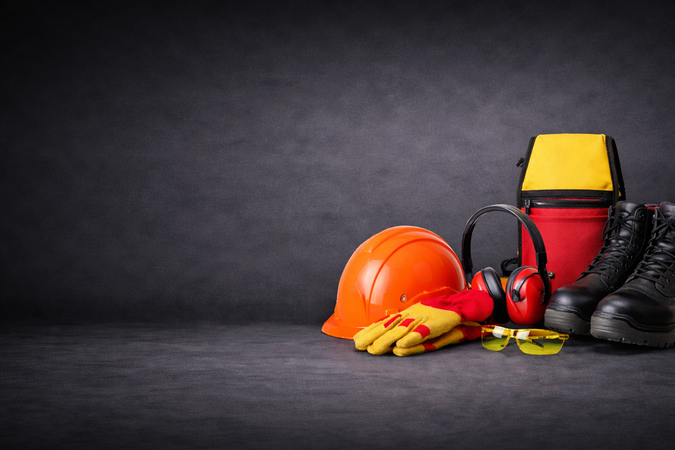
In industrial workplaces, safety shoes are very important for protecting the feet, but they are only one part of a complete safety system. Workers are often exposed to many different hazards, which is why additional personal protective equipment (PPE) is necessary to provide full protection.

Using the correct combination of protective equipment helps reduce the risk of injuries and improves overall workplace safety. When workers wear full PPE, they are better protected from accidents that may occur during daily industrial tasks.

Below are some of the most important types of personal protective equipment used in industrial environments.

Safety Helmets

Safety helmets are designed to protect the head from falling objects and accidental impacts. In many workplaces, such as construction sites and factories, tools or materials may fall from elevated areas.

A strong safety helmet can absorb impact and reduce the risk of serious head injuries. Because head injuries can be very serious, wearing a safety helmet is mandatory in many industrial workplaces.

Safety Glasses

Safety glasses protect the eyes from dust, flying particles, sparks, and chemical splashes. In industries such as manufacturing, welding, and laboratory work, small particles can easily enter the eyes and cause irritation or serious damage.

Protective safety glasses create a barrier that shields the eyes while allowing workers to see clearly during their tasks.

Protective Gloves

Protective gloves help protect workers’ hands from cuts, burns, chemicals, and rough materials. Many industrial tasks involve handling tools, machinery, sharp objects, or hazardous substances.

Different types of gloves are designed for specific tasks. For example, some gloves are made to resist chemicals, while others provide protection against heat or sharp materials.

Hearing Protection

In industrial environments with loud machinery, workers may be exposed to high noise levels for long periods of time. Continuous exposure to loud noise can lead to hearing damage or long-term hearing loss.

Hearing protection equipment such as earplugs or earmuffs helps reduce noise levels and protect workers’ ears from harmful sound exposure.

High Visibility Clothing

High visibility clothing is commonly used in construction sites, road work areas, and warehouses where vehicles or heavy machinery are present.

These garments are designed with bright colors and reflective materials that make workers more visible to drivers and machine operators. Improved visibility helps prevent accidents, especially in low-light conditions or busy work environments.

Importance of Using Full Personal Protective Equipment

Using complete personal protective equipment is essential for maintaining a safe industrial workplace. Safety shoes protect the feet, while helmets, glasses, gloves, hearing protection, and high visibility clothing protect other parts of the body.

When workers consistently wear the correct PPE, the risk of workplace accidents and injuries can be greatly reduced. Proper safety equipment not only protects workers but also helps companies maintain higher safety standards and improve overall productivity.

Safety Shoes in Different Industrial Sectors

Safety shoes are essential in many industrial sectors where workers face different types of workplace hazards. Each industry has unique working conditions, which means that the type of safety footwear required may vary depending on the environment and the risks involved.

By using the appropriate safety shoes, workers can reduce the risk of injuries and perform their tasks more safely and efficiently. Below are some of the major industrial sectors where safety shoes play a critical role in protecting workers.

Manufacturing Plants

In manufacturing plants, workers often operate heavy machinery and handle various materials throughout the production process. These environments can involve sharp metal parts, heavy equipment, and moving machinery.

Safety shoes in manufacturing plants help protect workers from:

  • Impact caused by falling tools or materials
  • Sharp objects on factory floors
  • Accidental compression from equipment

Strong toe protection and puncture-resistant soles are especially important in these environments.

Construction Sites

Construction sites are among the most hazardous workplaces due to constant movement of materials, tools, and heavy machinery. Workers often walk on uneven ground, climb structures, and carry construction materials.

Safety shoes used in construction sites provide protection against:

  • Falling construction materials

  • Uneven or unstable surfaces

  • Sharp objects such as nails or metal pieces

Many construction workers use steel toe safety shoes with slip-resistant soles to improve stability and protection.

Oil and Gas Industry

The oil and gas industry presents unique safety challenges due to the presence of chemicals, flammable materials, and heavy industrial equipment.

Workers in this sector require specialized safety footwear designed to provide:

  • Chemical resistance
  • Anti-slip protection on oily surfaces
  • Protection from heavy equipment and tools

Some safety shoes used in oil and gas environments also include anti-static properties to reduce the risk of sparks in flammable areas.

Warehouses and Logistics

Warehouses and logistics centers involve constant movement of goods and heavy packages. Workers often operate forklifts, pallet jacks, and other material-handling equipment.

Safety shoes in warehouses help protect workers from:

  • Heavy packages falling on the feet
  • Injuries during loading and unloading
  • Slipping on smooth warehouse floors

Comfortable and durable safety shoes allow workers to move safely during long working hours.

Engineering Projects

Engineers working on industrial or construction projects frequently visit active job sites. These areas may include rough terrain, construction materials, and heavy machinery.

Protective safety shoes help engineers safely navigate work sites by providing:

  • Protection from impact and sharp objects
  • Better grip on uneven surfaces
  • Stability while walking through construction areas

This type of protective footwear helps engineers perform site inspections and project supervision safely.

Choosing the Right Safety Shoes for Each Industry

Different industrial sectors require specific safety footwear features to match the risks of the working environment. Factors such as impact protection, slip resistance, chemical resistance, and electrical insulation should all be considered when selecting safety shoes.

Using the correct safety footwear helps reduce workplace injuries, improves worker safety, and supports better performance across various industrial sectors.

Features of High Quality Safety Shoes

High quality safety shoes are designed to provide strong protection while maintaining comfort for workers who spend long hours on their feet. In industrial environments, safety footwear must be durable, reliable, and able to protect against different workplace hazards.

Good safety shoes are not only built for protection but also for long-term use in demanding working conditions. Workers in factories, construction sites, and engineering environments rely on safety shoes that combine strength, comfort, and durability.

Below are some of the most important features that high-quality safety shoes that AMAN’s safety shoes have it:

Reinforced Toe Protection

One of the most important features of safety shoes is reinforced toe protection. The toe area of the shoe is designed with a protective cap, which may be made from steel, composite materials, or other strong materials.

This reinforced structure helps protect the toes from injuries caused by falling tools, heavy equipment, or compressed materials. Toe protection significantly reduces the risk of fractures or serious foot injuries in industrial environments.

Slip-Resistant Soles

Slip resistant soles are essential for workers who operate in environments where floors may be wet, oily, or dusty. Industrial workplaces often contain surfaces that can become slippery and increase the risk of accidents.

Safety shoes with anti-slip soles provide stronger traction and help workers maintain balance while walking or carrying materials. This feature greatly reduces the chances of slipping and falling during work.

Comfortable Design

Comfort is a key factor when choosing safety shoes because workers often wear them for long hours every day. Poorly designed footwear can cause discomfort, fatigue, and even long-term foot problems.

High quality safety shoes are designed to support the foot properly, provide cushioning, and allow natural movement during work. A comfortable design helps workers stay focused and productive throughout the day.

Breathable Materials

Breathable materials help maintain airflow inside the safety shoes. Industrial workers often spend many hours wearing protective footwear, and proper ventilation helps keep the feet dry and comfortable.

Shoes made with breathable fabrics or ventilation systems reduce moisture buildup and improve overall foot comfort during long working shifts.

Durable Construction

Durability is another essential feature of high quality safety shoes. Industrial environments can be very demanding, and footwear must be able to withstand daily wear and exposure to rough surfaces.

Strong stitching, high quality materials, and reinforced soles help ensure that safety shoes last longer and continue providing reliable protection.

Resistance to Oil and Chemicals

In many industrial workplaces, workers may encounter oils, fuels, or chemical substances. Safety shoes designed with oil-resistant and chemical-resistant materials help protect the footwear from damage and prevent slipping on oily surfaces.

This feature is particularly important in industries such as manufacturing, oil and gas, and chemical processing.

Leave a Reply

Your email address will not be published. Required fields are marked *