
Blog
Industrial Hazards Explained: How to Identify and Eliminate Workplace Risks

Industrial hazards are dangers that exist inside factories, warehouses, construction sites, and industrial plants. These hazards can cause injuries, illness, damage to equipment, and even loss of life. To control these risks, companies must prepare emergency tools like a first aid box, protect workers with proper clothing such as a fire retardant uniform, and use effective spill control solutions to manage chemical leaks. Industrial safety is not only about reacting to accidents. It is about understanding hazards and eliminating them before they cause harm. This complete guide explains industrial hazards and shows how companies in Egypt can reduce and eliminate them using the right systems and products.
Industrial hazards can be physical, chemical, electrical, mechanical, biological, or environmental. If these hazards are not controlled, they may lead to serious workplace accidents.
What Are Industrial Hazards?
Industrial hazards are unsafe conditions or activities that can harm workers or damage buildings, machines, and materials. These hazards are found in almost every factory, workshop, warehouse, or construction site. If they are not controlled, they can cause accidents, injuries, illness, or even death.
Some common industrial hazards include:
-
Slippery floors – Wet or oily floors can cause workers to slip and fall. This may lead to broken bones or head injuries.
-
Moving machines – Machines with moving parts can catch clothes, hands, or hair. This can cause serious injuries.
-
High voltage electricity – Working near strong electrical systems can cause electric shock or burns.
-
Chemical spills – Spilled chemicals can damage the skin, eyes, or lungs. Some chemicals are also flammable.
-
Fire and heat – High temperatures and open flames can cause burns or start fires.
-
Toxic gases – Harmful gases can affect breathing and damage internal organs.
-
Falling objects – Tools or materials falling from height can injure workers below.
-
Loud noise – Continuous loud sounds can slowly damage hearing.
Understanding these hazards is very important. When workers and managers know the risks, they can take steps to control or remove them.
Types of Industrial Hazards
1. Physical Hazards
Physical hazards are dangers that come from the environment around workers. These hazards usually do not involve chemicals but can still cause serious harm.
Physical hazards include:
-
Noise – Loud machines or tools can damage hearing over time.
-
Vibration – Long exposure to vibrating tools can affect hands and arms.
-
Extreme temperature – Very hot or very cold conditions can cause heat stress or frostbite.
-
Radiation – Some industries use radiation that can harm the body if not controlled.
-
Slips and falls – Uneven floors, wet surfaces, or poor lighting increase the risk of falling.
These hazards may cause injuries like hearing loss, fractures, burns, or muscle problems. Using protective equipment and keeping the workplace clean can reduce these risks.
find a book store online
2. Chemical Hazards
Chemical hazards come from dangerous substances used in industrial work. Many factories use chemicals for cleaning, production, or processing materials.
Chemical hazards may include:
-
Flammable liquids – These liquids can easily catch fire.
-
Toxic gases – Breathing these gases can cause serious health problems.
-
Corrosive substances – These chemicals can burn the skin and eyes.
-
Industrial solvents – Long-term exposure may harm the lungs or nervous system.
Exposure to chemicals can cause burns, poisoning, breathing problems, or long-term diseases. Workers should always use gloves, masks, and proper ventilation systems.
3. Mechanical Hazards
Mechanical hazards are related to machines and equipment. Many industrial jobs require working near heavy or fast-moving machines.
Mechanical hazards include:
-
Moving machinery – Machines with moving parts can trap hands or fingers.
-
Conveyor belts – Workers can get caught if safety guards are missing.
-
Forklifts – These vehicles can hit workers or tip over.
-
Rotating parts – Spinning parts can pull in loose clothing or hair.
If machines are not properly guarded or maintained, they can cause cuts, crush injuries, or amputations. Safety guards and proper training are very important.
4. Electrical Hazards
Electrical hazards are very dangerous because electricity cannot be seen. Even a small mistake can cause serious injury.
Electrical hazards include:
-
Exposed wires – Open wires can cause electric shock.
-
Faulty panels – Damaged electrical panels may spark or overheat.
-
High voltage systems – Strong electrical systems can be fatal if touched.
Electric shock can cause burns, heart problems, or death. Regular inspection and proper insulation help reduce electrical risks.
5. Fire Hazards
Fire hazards are common in industries that use fuel, gas, chemicals, or high heat. A small spark can start a big fire if safety rules are not followed.
Fire risks increase when:
-
Flammable materials are stored incorrectly.
-
Electrical systems are overloaded.
-
Workers smoke in unsafe areas.
-
Fire exits are blocked.
Fires can cause serious injuries, damage property, and stop production. Fire alarms, extinguishers, and training are important to prevent disasters.
6. Biological Hazards
Biological hazards are related to living organisms or contaminated materials. These hazards are common in medical, food, and waste industries.
Biological hazards include:
-
Bacteria
-
Viruses
-
Contaminated waste
Exposure can cause infections or serious diseases. Workers should use protective clothing and follow hygiene rules to stay safe.
Industrial hazards are a serious issue in every workplace. When companies understand these risks and train workers properly, they can create a safer and healthier work environment for everyone.
The Role of First Aid Box in Hazard Control
Even when a factory follows all safety rules and prevention systems, accidents can still happen. A worker may cut a finger, slip and fall, or get a small burn. In these moments, fast action is very important. This is why every factory must have a well-equipped first aid box in clear and easy-to-reach places.
A first aid box helps workers give immediate care before medical professionals arrive. It can stop bleeding, clean wounds, reduce pain, and prevent infection. Without a first aid box, small injuries can become serious problems.
Why a First Aid Box Is Important
-
It provides quick treatment for minor injuries.
-
It helps control bleeding and prevent infection.
-
It reduces panic during emergencies.
-
It supports workplace safety rules.
-
It shows that the company cares about worker health.
The first aid box should be placed in visible locations, such as near work areas, entrances, or high-risk zones. Workers should also know where it is and how to use it.
What Should a Proper First Aid Box Include?
A good first aid box must contain basic medical supplies to handle common workplace injuries.
1. Bandages
Bandages are used to cover cuts and wounds. They help stop bleeding and protect the injured area from dirt and bacteria.
2. Sterile Gloves
Sterile gloves protect both the injured worker and the person giving help. They prevent the spread of infection.
3. Antiseptic Solution
Antiseptic liquid is used to clean wounds. It kills germs and reduces the risk of infection.
4. Burn Treatment
Burn creams or burn dressings help cool the skin and reduce pain after contact with heat or chemicals.
5. Eye Wash
Eye wash solution is very important in factories where dust or chemicals are present. It helps clean the eyes quickly if harmful substances enter them.
6. Emergency Contact List
The first aid box should include a clear list of emergency phone numbers. This may include ambulance services, nearby hospitals, and safety officers.
The Importance of Training
Having a first aid box is not enough. Workers should receive basic first aid training. They need to know:
-
How to stop bleeding
-
How to treat burns
-
How to respond to electric shock
-
When to call emergency services
Regular checks are also important to make sure the first aid box is complete and not expired.
In hazard control, prevention is always the first step. However, when accidents happen, a properly prepared first aid box plays a key role in protecting workers and reducing injury severity.
Protection with Fire Retardant Uniform
In industries where workers are exposed to heat, flames, or sparks, wearing a fire retardant uniform is very important. Regular clothes can catch fire quickly and melt on the skin. This can cause serious burns. A fire retardant uniform is specially designed to protect workers in dangerous environments.
This special clothing:
-
Resists fire – The fabric does not easily catch fire.
-
Reduces burn risk – It slows down flame spread, giving workers time to move away from danger.
-
Does not melt under heat – Unlike synthetic fabrics, it will not melt and stick to the skin.
-
Protects the body from sparks – It acts as a barrier against flying sparks and hot metal pieces.
Fire retardant uniforms are essential in jobs such as:
-
Welding operations
-
Oil and gas industry
-
Heavy manufacturing
-
Metal works
-
Electrical maintenance
Wearing the correct uniform is not optional in these workplaces. It is a key part of personal protective equipment (PPE). When workers wear proper protective clothing, the risk of serious burn injuries is greatly reduced.
Regular inspection and cleaning of the uniform are also important. Damaged or dirty protective clothing may not work properly.
Managing Chemical Risks with Spill Control Solutions
Chemical leaks and spills can create serious hazards in factories, warehouses, and laboratories. A small spill can quickly become dangerous if not handled correctly. Chemicals may cause slips, skin burns, breathing problems, or environmental damage.
To reduce these risks, companies must use effective spill control solutions These tools help contain and clean chemical spills quickly and safely.
Common spill control products include:
1. Absorbent Pads
These pads soak up liquid chemicals from the floor. They help prevent spreading and reduce slip hazards.
2. Spill Kits
Spill kits contain different tools needed to manage leaks. They may include absorbent materials, disposal bags, and protective equipment. Spill kits should be placed in areas where chemicals are stored or used.
3. Chemical Resistant Gloves
These gloves protect workers’ hands while cleaning dangerous substances. Regular gloves may not provide enough protection against strong chemicals.
4. Drain Covers
Drain covers block chemicals from entering drainage systems. This prevents environmental contamination and protects water sources.
Why Quick Action Is Important
When a chemical spill happens, immediate action is necessary. Fast response:
-
Prevents workers from slipping
-
Reduces chemical exposure
-
Protects the environment
-
Minimizes production downtime
-
Reduces financial losses
Workers should receive training on how to use spill control equipment correctly. Clear emergency procedures must also be available.
In industrial safety, preparation is key. Having proper protective clothing and spill control systems in place ensures a safer and more controlled work environment for everyone.
Other Important Industrial Safety Products
To eliminate industrial hazards, companies must use a wide range of safety products. No single product can remove all risks. Safety requires a complete system that protects workers from different types of hazards.
Personal Protective Equipment (PPE)
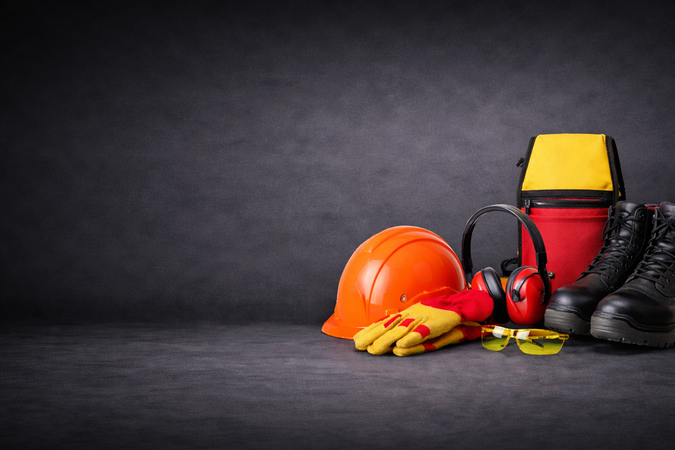
Personal Protective Equipment, also called PPE, is the first line of protection for workers. It protects different parts of the body from injury.
Safety Helmets
Safety helmets protect the head from falling objects or impact. They are very important on construction sites and in factories.
Safety Glasses
Safety glasses protect the eyes from dust, chemicals, and flying particles.
Face Shields
Face shields provide extra protection for the face, especially during welding or chemical handling.
Cut Resistant Gloves
These gloves protect hands from sharp tools, metal edges, and glass.
Safety Shoes
Safety shoes protect the feet from heavy objects, sharp materials, and slipping.
Wearing PPE reduces the severity of injuries. However, PPE should always be used together with other safety controls.
Gas Detection Systems
In many industries, toxic or flammable gases may leak without warning. Gas detection systems help identify danger early.
Portable Gas Detectors
These small devices are carried by workers. They give an alarm when dangerous gas levels are detected.
Fixed Gas Detection Systems
These systems are installed in specific areas. They monitor air quality continuously and activate alarms when gas levels are unsafe.
Early detection prevents poisoning, explosions, and fire accidents.
Fire Safety Equipment
Fire protection is essential in industrial workplaces.
Fire Extinguishers
Used to control small fires before they spread.
Fire Alarms
Warn workers quickly when a fire starts.
Emergency Lighting
Helps workers exit safely during power failure.
Fire Blankets
Used to stop small fires or protect a person whose clothes catch fire.
Having proper fire equipment reduces damage and saves lives.
Lockout Tagout Systems
Lockout Tagout (LOTO) systems are used during machine maintenance. They prevent machines from starting unexpectedly.
- Locks are placed on power sources.
- Warning tags show that maintenance is in progress.
This system protects workers from mechanical and electrical injuries.
Insulating Mats
Insulating mats are placed near electrical panels. They protect workers from electric shock while working on or near electrical systems.
These mats reduce the risk of serious electrical accidents.
How to Eliminate Industrial Hazards
Eliminating hazards requires a structured and organized approach. Safety must be planned carefully.
Step 1: Risk Assessment
The first step is to identify all possible hazards in the workplace.
- Inspect machines and equipment.
- Check chemical storage areas.
- Review accident reports.
- Ask workers about safety concerns.
Risk assessment helps companies understand what dangers exist and how serious they are.
Step 2: Eliminate the Hazard
If possible, remove the hazard completely.
For example:
- Replace a toxic chemical with a safer alternative.
- Remove damaged equipment.
- Stop unsafe work processes.
Elimination is the most effective control method.
Step 3: Engineering Controls
If the hazard cannot be removed, companies should use engineering controls.
Examples include:
- Installing protective machine guards.
- Adding ventilation systems to remove harmful fumes.
- Using safety barriers around dangerous areas.
Engineering controls reduce exposure to danger.
Step 4: Administrative Controls
Administrative controls focus on rules and procedures.
- Create clear safety policies.
- Provide regular safety training.
- Limit exposure time to dangerous tasks.
- Place warning signs in risky areas.
Good management and training improve workplace safety.
Step 5: Use PPE
When other controls cannot fully remove the hazard, workers must use PPE.
Providing proper equipment and training workers on how to use it correctly is essential.
This structured method is known as the hierarchy of hazard control. It starts with eliminating hazards and ends with personal protection. Following this system helps companies create a safer and healthier work environment.
Importance of Safety Training
Training helps workers:
- Recognize hazards
- Use equipment properly
- Follow emergency procedures
- Report unsafe conditions
Without training, even the best safety products may not prevent accidents.
Building a Safety Culture
A strong safety culture includes:
- Management commitment
- Clear communication
- Worker participation
- Continuous improvement
Safety becomes part of daily routine.
Financial Benefits of Hazard Elimination
Eliminating industrial hazards is not only about protecting workers. It also has strong financial benefits for the company. When a workplace is safe, the business saves money and operates more smoothly.
Workplace accidents can be very expensive. A single serious accident can stop production, damage equipment, and lead to legal problems. By removing hazards early, companies avoid many of these costs.
-
Reduced Medical Costs
When accidents happen, companies often pay for:
- Emergency treatment
- Hospital bills
- Medical tests
- Rehabilitation
By eliminating hazards, the number of injuries decreases. This reduces medical expenses and keeps workers healthy.
-
Lower Compensation Claims
Injured workers may file compensation claims. These claims can include:
- Salary during recovery
- Long-term disability payments
- Insurance costs
Fewer accidents mean fewer claims. This helps reduce insurance premiums and legal expenses.
-
Reduced Downtime
When an accident occurs, production may stop. Machines may need inspection, and investigations may take place. This leads to downtime.
Downtime causes:
- Loss of production
- Missed deadlines
- Delayed customer orders
A safe workplace runs more smoothly and avoids unexpected interruptions.
-
Less Equipment Damage
Industrial accidents can damage machines, tools, and buildings. Repairing or replacing equipment is costly.
By controlling hazards:
- Machines last longer
- Maintenance costs decrease
- Production quality improves
Preventing damage saves money in the long term.
-
Avoiding Legal Penalties
Governments require companies to follow safety regulations. If a company ignores safety rules, it may face:
- Fines
- Legal action
- Business closure
- Loss of reputation
Eliminating hazards helps companies follow the law and avoid penalties.
Long-Term Business Stability
A safe workplace creates:
- Higher worker morale
- Better productivity
- Strong company reputation
- Greater trust from clients
When workers feel safe, they work more efficiently and confidently. Over time, this improves overall business performance.
In simple terms, safety is not a cost. It is a smart investment that protects both people and profits.
FAQ – Frequently Asked Questions
-
What are industrial hazards?
They are dangers in factories that can cause injury or damage.
-
Can industrial hazards be eliminated completely?
Some can be removed, others can be controlled to reduce risk.
-
Why is a first aid box important?
It allows quick treatment of minor injuries.
-
When should workers wear fire retardant uniform?
In environments exposed to fire, heat, or sparks.
-
Why are spill control solutions necessary?
They control chemical leaks quickly and safely.
-
What is the most common industrial hazard?
Slips, falls, and human error.
-
How often should safety equipment be inspected?
Regularly, according to safety guidelines.
-
Does AMAN provide safety solutions in Egypt?
Yes, AMAN provides certified industrial safety products and solutions across Egypt.
Industrial hazards are serious, but they can be controlled and eliminated with proper planning, certified equipment, and expert support. For reliable industrial safety solutions in Egypt, AMAN is your trusted partner.
AMAN Industrial Safety Solutions
Founded in 2006 in Cairo, Egypt, AMAN is focused on protecting lives and minimizing accident risks. By working closely with customers and leading manufacturers, AMAN designs tailored safety solutions that meet daily industrial needs.
AMAN understands the financial pressure businesses face while maintaining safe workplaces. That is why AMAN provides high-quality certified safety products that reduce total safety costs and prevent losses.
The AMAN team is friendly, knowledgeable, and ready to assist customers in person, by phone, or online. They help companies choose the right safety systems based on real risk assessment.
At AMAN, where we put People first, your safety is our concern.