

Blog
Electrical Insulating Mats in Egypt : High Voltage Safety Mats from AMAN

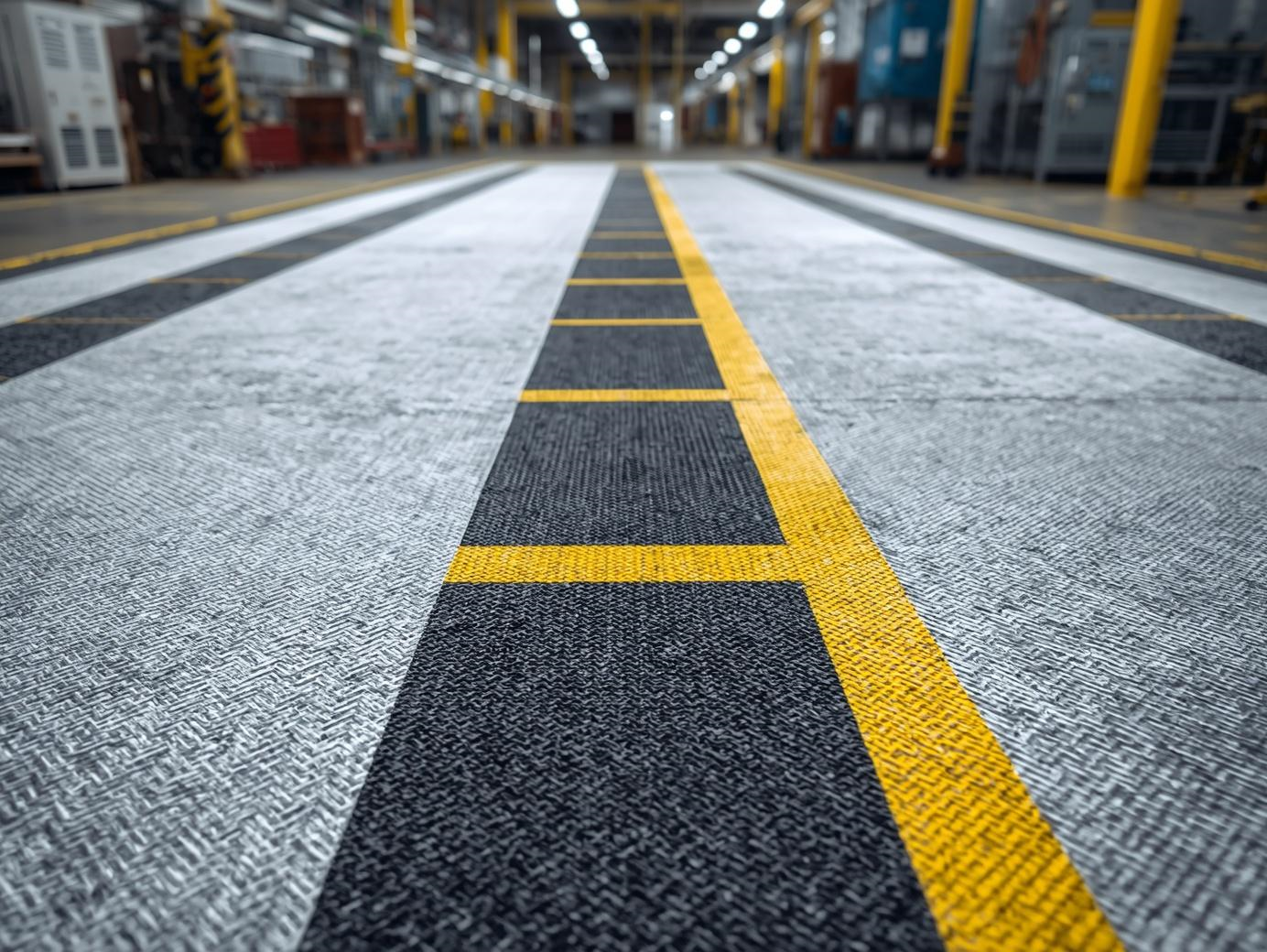
In industrial workplaces, electrical safety is essential to protect workers from serious hazards. One of the most effective solutions used today is electrical insulating mats, which provide a strong protective barrier between workers and electrical current. These electrical insulating mats are widely used in power plants, factories, substations, and control rooms to reduce the risk of electric shock.
At AMAN, we supply high-quality electrical insulating mats designed to meet international safety standards and provide reliable protection in different environments.
Why Electrical Insulating Mats Are Important for Safety
Using electrical insulating mats is essential in any workplace where electrical equipment is present. These mats act as a protective barrier, helping prevent electrical current from passing through the body when a worker is standing near live systems.
Main benefits of electrical insulating mats
Electrical insulating mats provide several important advantages:
- Protection against electric shock
They reduce the risk of electricity passing through the body - Safe working environment near electrical panels
Workers can operate equipment with more safety and confidence - Compliance with safety standards
Help companies meet workplace safety regulations - Reduced risk of accidents
Lower chances of injuries and electrical hazards - Improved worker confidence
Employees feel safer, which improves performance
Why investing in the quality of electrical insulating mats matters
Choosing high-quality electrical insulating mats is a smart decision:
- More durable and long-lasting
- Better resistance to high voltage
- Reliable performance in critical situations
Electrical insulating mats are a key safety solution in any workplace with electrical risks. Investing in high-quality mats helps protect workers, improve safety conditions, and reduce the risk of costly accidents.
What are electrical insulating mats?
Electrical insulating mats are safety mats made from special rubber materials that resist electrical current. They are placed in front of electrical panels, switchboards, and high-voltage equipment.
These electrical insulating mats act as a barrier that prevents electricity from passing from the ground to the worker. This simple but effective solution plays a major role in electrical safety programs.
Types of electrical insulating mats Available from AMAN
AMAN provides different types of electrical insulating mats based on voltage levels and application needs.
1. Class 0 electrical insulating mats
- Used for low-voltage environments
- Suitable for basic electrical panels
2. Class 1 and 2 electrical insulating mats
- Designed for medium voltage protection
- Used in industrial facilities
3. Class 3 and 4 electrical insulating mats
- Used for high-voltage environments
- Ideal for substations and power plants
Electrical insulating mats have many types, and every type is designed to provide specific levels of protection.
Check Premium giveaways sets
Materials Used in Electrical Insulating Mats
The quality of electrical insulating mats depends on the material used.
Common materials include:
- Natural rubber
- Synthetic rubber compounds
- Elastomer blends
These materials ensure that electrical insulating mats are durable, flexible, and resistant to heat, oil, and chemicals.
Rhino Materials in electrical insulating mats at AMAN
Rhino is one of the trusted material options used in electrical insulating mats available at AMAN. These mats are designed for high durability and strong electrical resistance, making them suitable for heavy industrial environments.
- Rhino electrical insulating mats are made from high-quality industrial rubber that provides excellent insulation against electric current.
- The material has strong dielectric properties, which help protect workers from electrical shock when working near live equipment.
- Rhino rubber is resistant to oil, heat, and mechanical wear, making these electrical insulating mats ideal for factories and power plants.
- The surface of Rhino mats is usually textured or ribbed to provide anti-slip protection, improving safety during daily operations.
- These electrical insulating mats are available in multiple voltage classes (0 to 4), allowing use in both low and high voltage areas.
- Rhino material is known for its long service life, making it a cost-effective choice for companies that need reliable electrical protection.
Overall, Rhino electrical insulating mats are best for heavy-duty applications where durability and strength are required.
Duratuf Materials in electrical insulating mats at AMAN
Duratuf is another high-quality material used in electrical insulating mats supplied by AMAN. It is known for its flexibility, consistency, and reliable electrical performance.
- Duratuf electrical insulating mats are made from premium elastomer rubber compounds designed for electrical safety.
- The material provides stable insulation performance across different voltage levels.
- Duratuf rubber is flexible, making these electrical insulating mats easier to install and handle.
- It offers resistance to moisture, chemicals, and environmental conditions, making it suitable for indoor and outdoor use.
- The surface finish is uniform, ensuring consistent insulation across the entire mat.
- Like Rhino, Duratuf electrical insulating mats are available in different classes (0 to 4) for various voltage requirements.
Duratuf materials are ideal for workplaces that require flexibility and balanced performance with reliable insulation.
Difference Between Rhino and Duratuf in Electrical Insulating Mats
Both Rhino and Duratuf are excellent materials used in electrical insulating mats, but they have some differences:
- Rhino electrical insulating mats focus more on heavy-duty strength and rugged industrial use.
- Duratuf electrical insulating mats offer more flexibility and smooth handling.
- Rhino material is slightly more rigid, while Duratuf provides better flexibility during installation.
- Both materials meet international safety standards and provide strong electrical insulation.
- Rhino is often preferred in heavy industries, while Duratuf is suitable for general industrial and commercial applications.
Why AMAN provides Rhino and Duratuf electrical insulating mats
AMAN offers both Rhino and Duratuf electrical insulating mats to give customers more flexibility in choosing the right solution.
- Wide range of voltage classes (0–4)
- Certified safety performance
- Durable and long-lasting materials
- Suitable for different industries
- Competitive pricing options
By choosing Rhino or Duratuf electrical insulating mats from AMAN, companies can ensure high electrical safety, reliable performance, and long-term protection for their workers.
Where to Use Electrical Insulating Mats
Electrical insulating mats are used in many important areas where electricity poses a danger to workers. These mats provide a safe surface and reduce the risk of electric shock.
Common applications of electrical insulating mats
You will find electrical insulating mats in:
- Electrical panels
Protect workers during the operation or maintenance of electrical panels - Control rooms
Provide safe flooring near sensitive equipment - Transformer areas
Essential in high-voltage environments - Power stations
Used to protect technicians working with large systems - Maintenance zones
Help reduce risks during repair and inspection work
In all these areas, electrical insulating mats provide essential protection and improve workplace safety.
Standards and Certifications for Electrical Insulating Mats
Certified electrical insulating mats must meet international safety standards to ensure proper protection and performance.
Important safety standards for electrical insulating mats
High-quality electrical insulating mats comply with:
- IEC standards
International rules for electrical safety - ASTM standards
Ensure material strength and performance - IS safety standards
Common standards used in many industries
Why certification matters for electrical insulating mats
Using certified electrical insulating mats ensures:
- Reliable protection against electric shock
- Compliance with safety regulations
- Higher quality and durability
- Better performance in critical situations
Electrical insulating mats are essential in many Industrial and electrical environments. Choosing certified products that meet international standards ensures maximum safety, compliance, and long-term reliability.
Maintain emergency readiness using the first aid kit Egypt solutions.
Benefits of Using High-Quality Electrical Insulating Mats
Choosing high-quality electrical insulating mats is very important for workplace safety. These mats are designed to protect workers and provide reliable performance in environments with electrical risks.
Key advantages of high-quality electrical insulating mats
Using premium electrical insulating mats gives many benefits:
- Long service life
Made from durable materials that last for years - Strong electrical resistance
Provides better protection against electric shock - Improved safety performance
Works effectively even in high-risk areas - Reduced maintenance costs
Less need for frequent replacement or repairs - Better workplace compliance
Meets safety standards and regulations
Investing in high-quality electrical insulating mats is a smart decision. It improves safety, reduces costs over time, and helps create a safer and more compliant workplace.
Integration of electrical insulating mats with Other Safety Solutions
A complete safety system includes more than just electrical protection. Companies may also work with a PPE equipment supplier in GCC for protective gear, compare equipment costs like safety shower and eyewash price.
Together with electrical insulating mats, these systems create a full safety environment.
Maintenance of Electrical Insulating Mats
Proper maintenance is essential to ensure that electrical insulating mats remain effective and safe over time. Regular care helps maintain their performance and protects workers from electrical hazards.
Key maintenance steps for electrical insulating mats
To keep your electrical insulating mats in good condition, follow these steps:
- Regular inspection
Check mats frequently for signs of wear, cracks, or Weakness in the material - Cleaning the surface
Keep mats clean from dust, oil, or moisture that may affect performance - Checking for damage
Look for cuts, burns, or any visible defects - Replacing worn mats
If a mat is damaged or old, replace it immediately
Why is the maintenance of electrical insulating mats important
Maintaining electrical insulating mats ensures:
- Consistent electrical protection
- Reduced risk of accidents
- Longer lifespan of the mats
- Compliance with safety standards
Regular maintenance of electrical insulating mats is necessary for long-term safety and performance. Simple steps like inspection, cleaning, and timely replacement can make a big difference in protecting workers and preventing electrical risks.
Cost Benefits of Using Electrical Insulating Mats
Investing in electrical insulating mats reduces long-term costs:
- Lower accident risks
- Reduced downtime
- Less equipment damage
- Improved productivity
Reliable electrical insulating mats offer strong value over time.
Choosing the Right Electrical Insulating Mats
When selecting electrical insulating mats, consider:
- Voltage level
- Workplace environment
- Size and thickness
- Certification standards
AMAN helps customers choose the best electrical insulating mats for their needs.
Why Choose AMAN for Electrical Insulating Mats
Choosing the right supplier is just as important as choosing the product itself. AMAN focuses on protecting lives and reducing workplace risks by offering high-quality and certified electrical insulating mats that deliver reliable performance.
Working with AMAN gives you many advantages:
- High-quality electrical insulating mats
Designed for durability and strong electrical resistance - Certified products
Meet international safety standards for maximum protection - Competitive pricing
Cost-effective solutions without compromising quality - Expert consultation
Guidance to help you choose the right mat for your needs - Reliable supply
Consistent availability for projects and ongoing requirements
Why AMAN stands out
AMAN understands that safety is not optional. That’s why the company focuses on:
- Providing dependable safety solutions
- Reducing long-term operational costs
- Supporting businesses with trusted products
Choosing AMAN for electrical insulating mats is a smart decision for any business. With certified quality, expert support, and reliable performance, AMAN helps you protect your workforce and create a safer workplace.
Long-Term Value of Electrical Insulating Mats
Using certified electrical insulating mats ensures:
- Continuous protection
- Compliance with regulations
- Improved worker safety
- Reduced operational risks
Reliable electrical insulating mats support safe daily operations.
Frequently Asked Questions about Electrical Insulating Mats
-
What are electrical insulating mats?
Electrical insulating mats are protective rubber mats designed to prevent electric shock by insulating workers from the ground.
-
Why are electrical insulating mats important in workplaces?
Electrical insulating mats are important because they protect workers from electrical hazards when working near live equipment.
-
Where should electrical insulating mats be used?
Electrical insulating mats should be used in front of electrical panels, switchboards, and high-voltage equipment areas.
-
What materials are used in electrical insulating mats?
Electrical insulating mats are usually made from natural rubber or synthetic rubber for strong electrical resistance.
-
What are the different classes of electrical insulating mats?
Electrical insulating mats are available in different classes (0 to 4), each designed for specific voltage levels.
-
How do electrical insulating mats protect workers?
Electrical insulating mats act as a barrier that prevents electrical current from passing through the body to the ground.
-
Are electrical insulating mats required by safety standards?
Yes, electrical insulating mats are required in many industries to meet electrical safety standards and regulations.
-
How do I choose the right electrical insulating mats?
To choose the right electrical insulating mats, consider voltage level, workplace conditions, and required certifications.
-
Can electrical insulating mats be used outdoors?
Yes, some electrical insulating mats are designed for outdoor use and can resist weather conditions.
-
How often should electrical insulating mats be inspected?
Electrical insulating mats should be inspected regularly for damage, wear, or contamination.
-
What is the lifespan of electrical insulating mats?
The lifespan of electrical insulating mats depends on usage and maintenance, but high-quality mats can last for years.
-
Are electrical insulating mats resistant to chemicals and oil?
Many electrical insulating mats are designed to resist oil, chemicals, and heat for industrial use.
-
What thickness is recommended for electrical insulating mats?
The thickness of electrical insulating mats depends on the voltage class and application requirements.
-
Can damaged electrical insulating mats still be used?
No, damaged electrical insulating mats should be replaced immediately to maintain safety.
-
Are electrical insulating mats easy to install?
Yes, electrical insulating mats are easy to install and can be placed directly on the floor near equipment.
-
Do electrical insulating mats require special maintenance?
Electrical insulating mats require simple maintenance, such as cleaning and regular inspection.
-
Are electrical insulating mats cost-effective?
Yes, electrical insulating mats are cost-effective because they reduce accidents and long-term costs.
-
Can electrical insulating mats improve workplace safety?
Yes, electrical insulating mats significantly improve safety by reducing the risk of electric shock.
-
What industries use electrical insulating mats?
Industries such as power generation, manufacturing, and oil and gas use electrical insulating mats.
-
Why choose AMAN for electrical insulating mats?
AMAN provides high-quality electrical insulating mats that meet safety standards and ensure reliable protection.
Electrical hazards can be dangerous, but proper safety measures reduce risks. Installing high-quality electrical insulating mats provides a strong protective barrier and improves workplace safety.
By choosing AMAN, companies invest in durable and certified electrical insulating mats that ensure long-term protection and compliance.
At AMAN, we put People first. Your safety is our concern.