
Blog
Factory Safety in Egypt 2026: Why Gas Detectors and Safety Monitors Are Essential

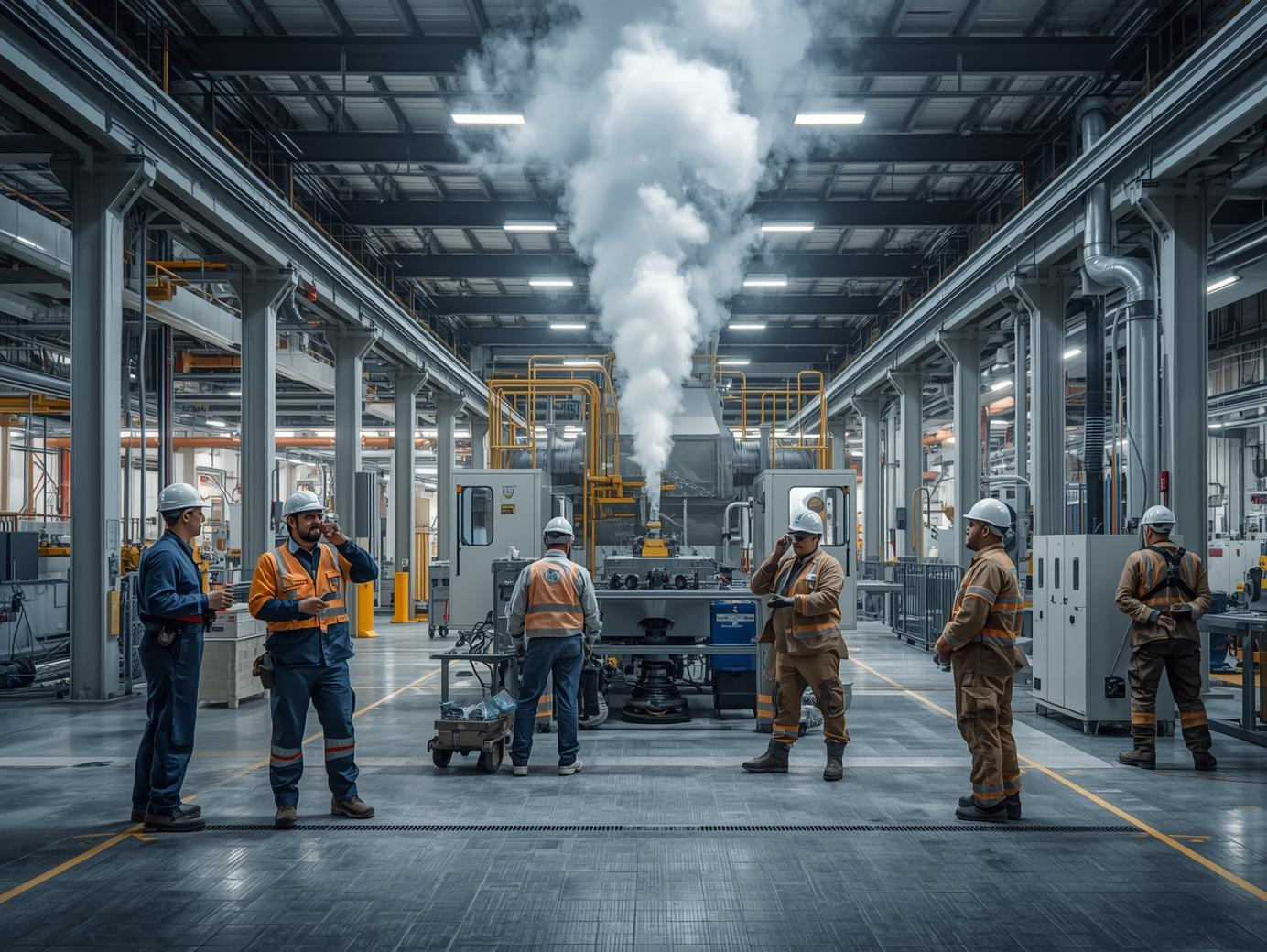
In modern factories, safety is not only about wearing helmets or gloves. It is about full protection systems that work together. While tools like lifeline safety systems protect workers from falls, and simple tools such as a ceramic safety cutter reduce hand injuries during packaging work, and advanced spill control solutions help manage dangerous chemical leaks, one of the most critical safety elements remains Safety Monitors and Gas Detectors. These devices protect workers from invisible dangers like toxic gases, oxygen deficiency, and explosive atmospheres. Without proper monitoring systems, factories face serious risks that can lead to injuries, explosions, or even loss of life.
Safety Monitors and Gas Detectors are essential in industrial environments such as oil and gas facilities, manufacturing plants, chemical factories, warehouses, power stations, and food processing units. These devices continuously monitor air quality and detect harmful gases before they reach dangerous levels. Early detection saves lives and protects equipment.
What Are Safety Monitors and Gas Detectors?
Safety monitors are devices used in industrial places to check the environment. They help keep workers safe by measuring important conditions like air quality and gas levels.
Gas detectors are special safety devices that detect dangerous gases in the air. Many harmful gases cannot be seen or smelled, so gas detectors are important for early warning.
These devices can detect different types of risks, such as:
-
Toxic gases like carbon monoxide, which can cause poisoning and breathing problems.
-
Flammable gases like methane, which can lead to fire or explosions if they build up.
-
Low or high oxygen levels, which can be dangerous and may cause dizziness, fainting, or serious health problems.
-
Hydrogen sulfide, a very toxic gas commonly found in some industrial areas.
-
Industrial chemical vapors, which can irritate the lungs and may cause long-term health issues.
Safety monitors and gas detectors usually work continuously. If gas levels become unsafe, they give alarms such as loud sounds, flashing lights, or vibrations. This helps workers act quickly, leave the area, and prevent serious accidents.
Why Gas Detection Is Critical in Factories
Many gases are invisible and have no smell. Workers cannot detect them without equipment. Exposure can cause:
-
Breathing problems
-
Poisoning
-
Fire or explosion
-
Loss of consciousness
-
Death
Gas detectors provide early warning before gas concentration becomes dangerous.
Types of Gas Detectors Used in Industry
Gas detectors are used in many industrial workplaces to protect workers and prevent accidents. There are different types of gas detectors, and each type is designed for a specific purpose. The most common types are portable gas detectors, fixed gas detection systems, and multi-gas detectors.
Portable Gas Detectors
Portable gas detectors are small devices that workers carry with them during work. They are designed to provide personal protection by checking the air around the worker in real time. If the device detects a dangerous gas level, it alerts the user immediately.
Benefits of portable gas detectors:
-
Lightweight and easy to carry
-
Simple to use
-
Real-time gas monitoring
-
Audible and visual alarms (and sometimes vibration alerts)
-
Useful for field work and moving between different locations
Portable detectors are very common in industries like construction, maintenance, oil and gas, and factory operations.
Fixed Gas Detection Systems
Fixed gas detection systems are installed permanently in specific areas, such as production rooms, storage areas, or pipelines. These systems are designed to monitor large spaces continuously and provide early warning for gas leaks.
Fixed systems are especially important in high-risk environments where gas leaks may happen without warning.
Features of fixed gas detection systems:
-
Central control panels for monitoring
-
Automatic alarms for dangerous gas levels
-
24/7 continuous monitoring
-
Can connect to ventilation or shutdown systems
-
Suitable for large industrial areas
These systems help protect the entire facility, not just one worker.
Multi-Gas Detectors
Multi-gas detectors can detect more than one gas at the same time. They are useful in places where several gas hazards may exist together.
They are ideal for:
-
Confined spaces (like tanks, tunnels, and underground areas)
-
Chemical plants
-
Oil and gas sites
-
Industrial maintenance work
Multi-gas detectors help workers stay safe because they can detect different types of gases in one device, such as toxic gases, flammable gases, and oxygen level changes.
How Gas Detectors Work
Gas detectors use sensors to measure gas concentration in the air.
Common sensor types include:
-
Electrochemical sensors
-
Infrared sensors
-
Catalytic bead sensors
-
Photoionization detectors
When gas concentration exceeds the safe level, the device triggers: -
Sound alarm
-
Flashing lights
-
Vibration alert
Some systems automatically shut down equipment or activate ventilation.
Industries That Require Gas Detection Systems
Gas detection is necessary in many industries:
-
Oil and gas
-
Chemical manufacturing
-
Power generation
-
Wastewater treatment
-
Food processing
-
Pharmaceutical factories
-
Mining
Each industry has specific gas risks.
The Role of Safety Monitors in Risk Prevention
Safety monitors are not only used to detect gas leaks. They play a bigger role in preventing risks inside industrial workplaces. These devices help monitor different environmental conditions that may lead to accidents or health problems.
Safety monitors can check important factors such as:
-
Temperature, which can rise in dangerous areas and increase the risk of fire or equipment failure.
-
Humidity, which can affect worker comfort, machine performance, and chemical storage safety.
-
Air quality, which helps detect harmful particles, dust, or chemical vapors in the workplace.
-
Smoke, which can be an early sign of fire.
-
Combustible gases, which may cause explosions if they build up in closed areas.
By monitoring these conditions continuously, safety monitors give early warnings before a serious incident happens. This helps safety managers and workers take quick action, such as improving ventilation, stopping equipment, evacuating the area, or fixing a leak before it becomes dangerous.
lifeline safety and Integrated Protection Systems
While gas detectors protect against air hazards, factories must also use lifeline safety systems for working at height. Integrated safety means combining fall protection with environmental monitoring.
A complete factory safety plan includes:
-
Fall arrest systems
-
Gas detection systems
-
Fire alarms
-
Emergency lighting
-
Evacuation plans
Safety is effective only when all systems work together.
ceramic safety cutter and Daily Workplace Safety
Small tools can also prevent injuries. A ceramic safety cutter is safer than a traditional metal blade.
Benefits include:
-
Reduced hand injuries
-
Non-sparking material
-
Long-lasting blade
-
Lightweight design
Even simple safety tools play a big role in accident prevention.
spill control solutions and Environmental Protection
Gas detection systems work closely with spill control solutions in factories handling chemicals.
When a leak happens:
-
Gas detectors provide early warning
-
Spill kits contain liquid
-
Workers use protective equipment
Spill control solutions include: -
Absorbent pads
-
Spill containment pallets
-
Emergency spill kits
-
Drain covers
This combined approach reduces environmental and worker risk.
Advanced Detectors and Sensors Used in Modern Factories
Modern factories use advanced detectors and sensors to improve safety and reduce the risk of accidents. These devices help detect early warning signs of fire, smoke, heat, and gas leaks. They also support faster response and better control in industrial environments.
Some of the most common safety devices used today include:
Flame Detectors
Flame detectors are designed to detect fire very quickly. They use infrared (IR) or ultraviolet (UV) sensors to identify flames, even in large industrial areas. This helps prevent fires from spreading and reduces damage.
Smoke Detectors
Smoke detectors identify smoke early, often before flames appear. Early smoke detection is important because it gives workers time to react and allows safety teams to take action before the situation becomes serious.
Heat Detectors
Heat detectors trigger alarms when the temperature rises above a safe level or increases suddenly. They are useful in areas where smoke detectors may not work well, such as places with dust, steam, or high air movement.
Fixed Gas Control Panels
Fixed gas control panels manage and monitor multiple gas sensors from one central location. They provide a clear overview of gas levels across the facility and can activate alarms automatically if dangerous levels are detected.
Wireless Monitoring Systems
Wireless monitoring systems allow remote monitoring of industrial environments. They send real-time data to control rooms or mobile devices, which helps safety managers respond faster and improve overall workplace safety.
Benefits of Installing Gas Detection Systems
Installing gas detection systems is one of the most important safety steps in industrial workplaces. These systems help detect dangerous gases early and reduce the chance of serious accidents.
The main benefits include:
-
Protecting workers from toxic exposure by warning them before gas levels become harmful.
-
Preventing explosions and fires by detecting flammable gases before they reach dangerous limits.
-
Reducing insurance costs, because safety systems lower workplace risk and improve safety records.
-
Improving legal compliance, since many safety regulations require gas monitoring in high-risk industries.
-
Protecting the company’s reputation, because accidents can damage trust and cause major financial losses.
-
Increasing worker confidence, as employees feel safer when they know the workplace is monitored.
In simple terms, investing in gas detection is not only investing in equipment—it is investing in life safety.
Maintenance and Calibration of Gas Detectors
Gas detectors must be maintained regularly to work correctly. Even the best detector can become unreliable if it is not checked and calibrated.
Maintenance usually includes:
-
Regular calibration to make sure the detector measures gas levels accurately.
-
Sensor replacement, because sensors wear out over time and lose sensitivity.
-
Battery checks, especially for portable devices, to ensure they do not shut down during work.
-
Software updates, which improve performance and fix system issues.
Without proper maintenance, gas detectors may give false readings. This can be dangerous because the device may fail to warn workers during a real gas leak.
Common Gases Found in Industrial Environments
Industrial workplaces may contain different types of hazardous gases. Some gases are toxic, some are flammable, and others affect oxygen levels. Knowing the most common gases helps companies choose the right detection systems.
The most common gases include:
-
Carbon monoxide (CO): A toxic gas that can cause serious health problems. It is dangerous because it has no color and no smell.
-
Hydrogen sulfide (H2S): A very toxic gas often found in oil, gas, and wastewater industries. It can cause breathing problems and can be deadly at high levels.
-
Methane (CH4): A flammable gas that can lead to fires or explosions if it builds up in the air.
-
Ammonia (NH3): A strong chemical gas used in many industrial processes. It can irritate the eyes, skin, and lungs.
-
Oxygen deficiency: Low oxygen levels can happen in confined spaces or poorly ventilated areas. This can lead to dizziness, fainting, or suffocation.
Each gas has different risks, so each one requires the right detection technology and the correct sensor type.
Emergency Response and Gas Detection
Gas detection systems are not only used to detect danger—they also support fast emergency response. When a detector triggers an alarm, the company must act immediately to protect workers and prevent accidents.
When alarms activate, companies should:
-
Evacuate workers from the dangerous area as quickly as possible.
-
Stop operations to reduce risk and prevent ignition sources.
-
Ventilate the area to remove or reduce gas concentration.
-
Identify the source of the gas leak to control the situation.
-
Use protective equipment, such as respirators and safety gear, before entering the area again.
A fast and organized response can prevent serious injuries, explosions, and major damage.