
Blog
PPE Equipment for Construction and Their Uses on Job Sites

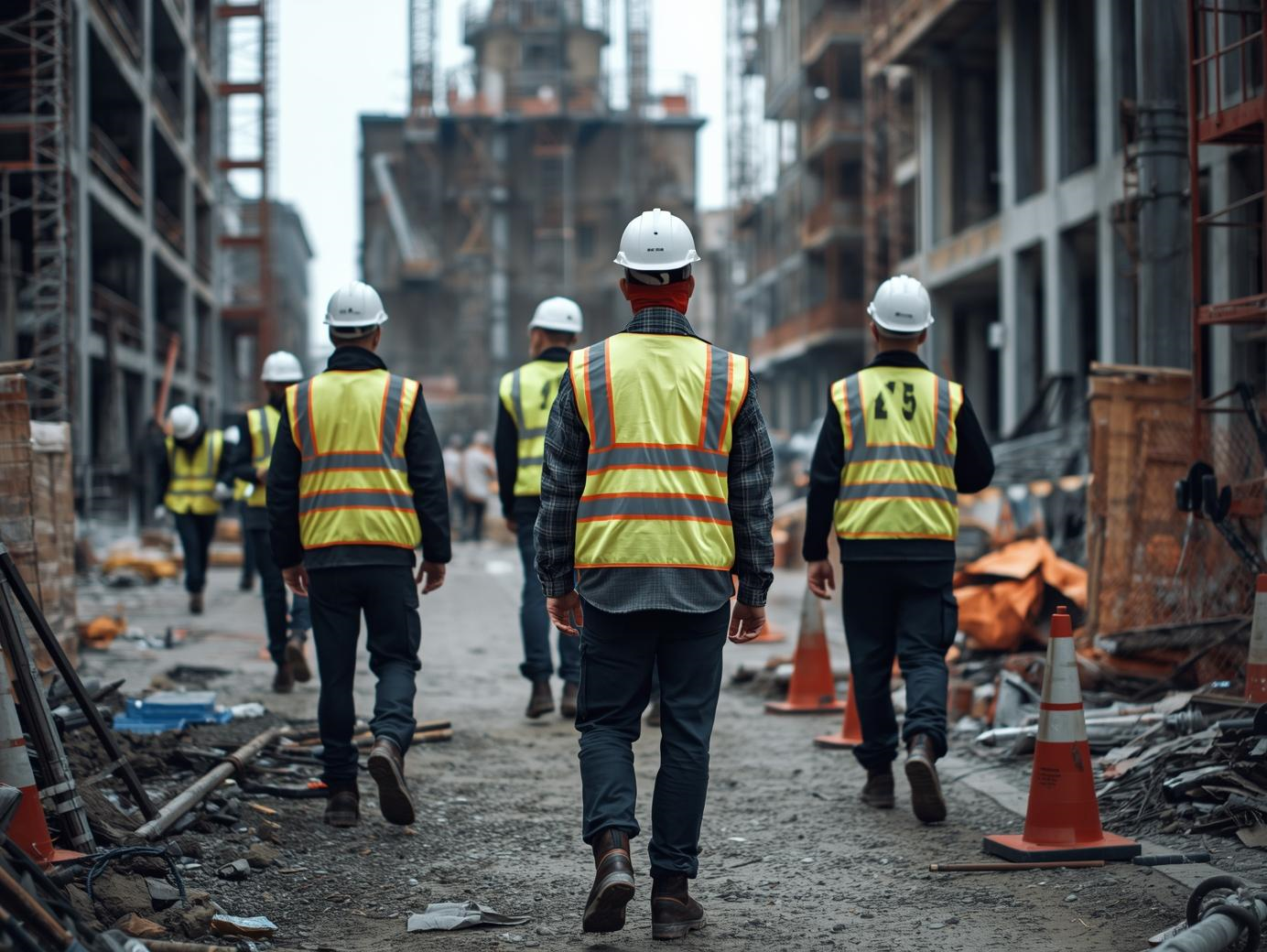
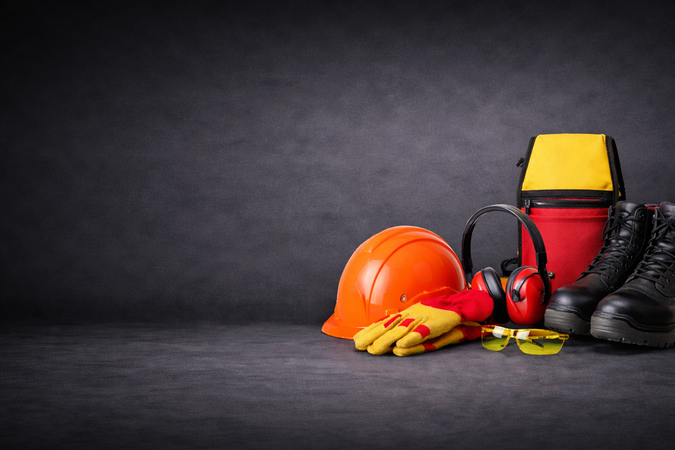
Understanding PPE equipment for construction is essential for protecting workers and preventing accidents on construction sites. Construction environments contain many hazards such as falling objects, heavy machinery, sharp tools, electrical risks, and dust exposure. Because of these dangers, workers must always use proper PPE equipment for construction to stay safe while performing their daily tasks.
Construction companies that invest in high-quality PPE equipment for construction help reduce injuries, improve productivity, and create a safer work environment. From helmets and gloves to respiratory protection and fall protection systems, each piece of equipment plays a critical role in workplace safety.
Organizations looking for reliable PPE equipment for construction can work with professional safety providers such as AMAN, which offers a wide range of certified safety products designed for industrial and construction environments.
Why PPE Equipment for Construction Is Important
Construction sites are among the most dangerous workplaces in many industries. Workers face risks such as falling objects, electrical hazards, heavy equipment movement, and dangerous heights. Using proper PPE equipment for construction helps reduce these risks and protect workers from serious injuries.
Key Benefits of PPE Equipment for Construction
• Protects workers from injuries
• Reduces workplace accidents
• Improves safety awareness
• Ensures compliance with safety regulations
• Creates a safer construction environment
Companies that understand the importance of PPE equipment for construction are more likely to maintain strong safety standards and reduce operational risks.
Types of PPE Equipment for Construction
There are many types of PPE equipment for construction, and each type protects a specific part of the body from hazards found on construction sites.
The main categories include:
- Head protection
- Eye protection
- Face protection
- Hand protection
- Foot protection
- Respiratory protection
- Hearing protection
- Fall protection
- Protective clothing
Understanding these categories helps safety managers select the correct PPE equipment for construction based on the type of work being performed.
Head Protection in PPE Equipment for Construction
Head injuries are among the most common and serious risks on construction sites. Workers are often exposed to hazards such as falling tools, construction materials, or debris from elevated work areas. Without proper protection, these incidents can cause severe head injuries. This is why using appropriate PPE equipment for construction is essential for maintaining safety on job sites.
Head protection is a critical component of PPE equipment for construction, helping reduce the risk of injuries caused by impact, falling objects, or accidental collisions with equipment and structures.
Common Head Protection Equipment as a PPE equipment for construction
Several types of head protection are commonly used as part of PPE equipment for construction to keep workers safe in hazardous environments.
Common examples include:
- Safety helmets
- Hard hats
- Impact-resistant helmets
Each of these types of helmets is designed to absorb impact and protect the worker’s head from potential hazards commonly found on construction sites.
Importance of Head Protection as a PPE equipment for Construction Sites
Using proper PPE equipment for construction, such as safety helmets, helps protect workers from:
- Falling tools or construction materials
- Debris from overhead work
- Accidental head collisions with equipment or structures
- Impact injuries during construction activities
Construction workers must wear helmets at all times in hazardous environments. Consistent use of PPE equipment for construction ensures maximum protection and significantly reduces the risk of serious head injuries on the job site.
Eye Protection in PPE Equipment for Construction
Construction activities often generate hazards such as dust, flying debris, sparks, and sometimes chemical splashes. These materials can easily reach the eyes and cause serious injuries if workers are not properly protected. For this reason, eye safety is a crucial part of PPE equipment for construction.
Using proper eye protection helps reduce the risk of irritation, cuts, or long-term vision damage caused by airborne particles and construction materials. Understanding the role of eye protection in PPE equipment for construction allows companies to create safer work environments for employees.
Common Eye Protection equipment for construction
Several types of eye protection are commonly used as part of PPE equipment for construction to keep workers safe during different tasks.
Common eye protection equipment includes:
- Safety glasses
- Protective goggles
- Anti-fog safety eyewear
Each of these options is designed to protect the eyes from specific hazards while maintaining clear visibility during work.
Importance of Eye Protection on Construction Sites
Eye protection is an important component of PPE equipment for construction because it shields workers from airborne particles and dangerous materials produced during building activities.
Proper eye protection helps prevent injuries caused by:
- Dust and small debris from construction work
- Sparks created during cutting or welding
- Flying particles from grinding or drilling tasks
- Chemical splashes from certain materials
Workers performing tasks such as cutting, grinding, or welding should always wear protective eyewear. Using the correct PPE equipment for construction ensures that workers remain protected and reduces the risk of serious eye injuries on construction sites.
Face Protection in PPE Equipment for Construction
Some construction tasks expose workers to hazards that can affect the entire face, not just the eyes. Activities such as welding, metal cutting, grinding, or handling certain chemicals can produce sparks, flying particles, or harmful splashes. Because of these risks, face protection plays a vital role in PPE equipment for construction.
Using the correct face protection helps reduce the risk of burns, cuts, or other facial injuries that may occur during high-risk construction tasks. Understanding the importance of face protection in PPE equipment for construction allows companies to create safer working conditions for their employees.
Face Protection PPE equipment for construction
Several types of equipment are designed to provide full facial protection as part of PPE equipment for construction.
Common face protection equipment includes:
- Face shields
- Welding masks
- Arc flash protection shields
Each of these protective tools is designed to guard the face from specific hazards that may occur during construction or industrial work.
Importance of Face Protection on Construction Sites
Face protection equipment is especially important when workers are exposed to sparks, high heat, or hazardous materials. Proper use of PPE equipment for construction helps prevent serious facial injuries during demanding tasks.
Face protection helps protect workers from:
- Sparks produced during welding or cutting
- Flying metal fragments during grinding work
- Chemical splashes during the handling of certain materials
- Intense heat or electrical arc flashes
Using appropriate PPE equipment for construction ensures that workers protect their entire face during high-risk activities and helps maintain a safer construction environment.
Hand Protection in PPE Equipment for Construction
Hands are frequently exposed to hazards during construction work. Workers handle tools, equipment, materials, and chemicals every day.
Common Hand Protection PPE equipment for construction
• Cut-resistant gloves
• Chemical-resistant gloves
• Heat-resistant gloves
• Impact protection gloves
Using gloves as part of PPE equipment for construction helps prevent cuts, burns, and chemical exposure.
Construction companies must select gloves based on the specific hazards present on the site.
Foot Protection in PPE Equipment for Construction
Foot injuries are common on construction sites because workers often handle heavy materials and move through areas where sharp objects may be present. Without proper protection, falling tools, construction materials, or debris can cause serious damage to the feet. For this reason, foot safety is an essential part of PPE equipment for construction.
Protective footwear is designed to reduce the risk of injuries caused by heavy impacts, sharp objects, or slippery surfaces. Understanding the role of footwear in PPE equipment for construction helps companies ensure that workers remain safe while performing their daily tasks.
Common Foot Protection PPE equipment for construction.
Several types of protective footwear are used as part of PPE equipment for construction to provide safety and support for workers.
Workers commonly wear:
- Safety shoes designed for industrial environments
- Steel toe boots that protect the toes from heavy falling objects
- Slip-resistant footwear that helps prevent accidents on wet or uneven surfaces
- Puncture-resistant boots that protect against sharp materials on the ground
These types of footwear are specifically designed to meet the safety requirements of construction sites.
Importance of Foot Protection on Construction Sites
Using proper footwear as part of PPE equipment for construction helps prevent many common workplace injuries.
Protective footwear helps reduce risks such as:
- Injuries from falling construction materials
- Puncture wounds caused by nails or sharp debris
- Slips and falls on uneven or slippery surfaces
- Foot injuries from heavy equipment or machinery
By using the correct footwear, companies ensure that PPE equipment for construction provides effective protection against common hazards found on construction sites.
Respiratory Protection in PPE Equipment for Construction
Construction environments often contain dust, fumes, and airborne particles that can negatively affect workers’ respiratory health. Activities such as drilling, sanding, cutting concrete, or demolition can release fine particles into the air. Without proper protection, inhaling these particles may lead to serious respiratory problems over time.
For this reason, respiratory safety is an essential part of PPE equipment for construction. Using the right respiratory protection helps reduce exposure to harmful substances and keeps workers safe while performing their tasks.
Respiratory Protection PPE equipment for construction
Several types of respiratory protective devices are commonly used as part of PPE equipment for construction.
Examples include:
- Dust masks
- Half mask respirators
- Full face respirators
Each type of equipment provides a different level of protection depending on the level of airborne hazards present at the construction site.
Importance of Respiratory Protection on Construction Sites
Using proper respiratory protection as part of PPE equipment for construction helps protect workers from inhaling harmful particles produced during construction work.
Respiratory PPE is especially important during activities such as:
- Drilling through concrete or masonry
- Sanding surfaces that produce fine dust
- Demolition work where debris becomes airborne
- Cutting materials that release dust and fumes
By using appropriate PPE equipment for construction, companies can protect workers’ respiratory health and reduce the risk of long-term breathing problems caused by exposure to construction dust and airborne contaminants.
Hearing Protection in PPE Equipment for Construction
Construction sites are often very noisy because of heavy machinery and power tools.
Long-term exposure to loud noise can cause permanent hearing damage.
Hearing Protection PPE equipment for construction
• Earplugs
• Earmuffs
• Electronic hearing protection
Proper PPE equipment for construction helps reduce noise exposure and protect workers’ hearing.
Fall Protection in PPE Equipment for Construction
Working at heights is one of the most dangerous tasks in the construction industry. Activities such as working on roofs, scaffolding, ladders, or elevated platforms expose workers to the risk of falling, which can lead to serious injuries or even fatalities. Because of this, fall protection systems are a vital part of PPE equipment for construction.
Understanding and using proper fall protection helps construction companies create safer work environments and significantly reduce the number of accidents related to working at heights.
Common fall protection equipment includes:
- Safety harnesses that secure workers to a protection system
- Lanyards and connectors that link the harness to anchor points
- Horizontal lifeline system that allows workers to move safely while remaining connected
- Anchor points that provide secure attachment locations
One important example is the horizontal lifeline system, which allows workers to move along a working area while staying connected to a fall protection system. This ensures continuous protection when moving across elevated surfaces.
Importance of Fall Protection as PPE equipment for construction
Fall protection plays a crucial role in PPE equipment for construction because it helps prevent severe injuries caused by falls from heights.
Proper fall protection equipment helps protect workers when they are:
- Working on roofs or elevated structures
- Standing on scaffolding or ladders
- Performing tasks on elevated platforms
- Moving across construction frameworks
Using the correct PPE equipment for construction ensures that workers remain secure and protected when performing high-risk tasks at height. This not only improves worker safety but also helps construction companies comply with safety regulations and standards.
Electrical Safety in PPE Equipment for Construction
Electrical hazards are common in construction environments, especially in areas where workers handle wiring systems, electrical panels, or power tools. Exposure to live wires or high-voltage equipment can lead to serious injuries such as electric shocks or burns. For this reason, electrical safety is a critical part of PPE equipment for construction.
Using proper protective equipment helps reduce the risk of electrical accidents and ensures that workers remain safe when performing tasks near electrical systems.
Common examples include:
- Insulated gloves for handling electrical components safely
- Dielectric safety boots that reduce the risk of electrical shock
- Insulating mat is placed on the ground near electrical panels or equipment
- Arc flash protective clothing designed to protect workers from electrical arcs
One important example is the insulating mat, which helps protect workers from electrical shock when working near electrical equipment. These mats create a barrier between the worker and the ground, reducing the risk of electric current passing through the body.
Importance of Electrical Safety as PPE equipment for construction
Electrical protection is a key component of PPE equipment for construction because it helps prevent accidents related to electricity.
Proper electrical safety equipment helps protect workers from:
- Electric shock caused by contact with live wires
- Arc flashes produced by electrical faults
- Burns and injuries from electrical equipment
- Accidental contact with energized components
Understanding electrical hazards is essential when selecting PPE equipment for construction. By choosing the right protective equipment and following safety procedures, construction companies can significantly reduce the risk of electrical injuries on the job site.
Protective Clothing in PPE Equipment for Construction
Protective clothing provides additional protection for workers exposed to environmental hazards such as heat, dust, chemicals, or extreme weather conditions.
Types of Protective Clothing as PPE equipment for construction
• High-visibility vests
• Flame-resistant clothing
• Weather protection clothing
These garments are an important part of PPE equipment for construction, helping workers remain visible and protected while working in dangerous environments.
Choosing the Right PPE Equipment for Construction
Selecting the correct PPE equipment for construction is essential for maintaining safe working conditions on construction sites. Because construction work involves many different tasks and hazards, companies must carefully evaluate the risks before choosing the appropriate protective equipment for workers.
Proper planning and hazard assessment help ensure that PPE equipment for construction provides effective protection against potential dangers such as falling objects, electrical hazards, dust exposure, and working at heights.
Factors to Consider When Selecting PPE equipment for construction
When choosing PPE equipment for construction, several important factors should be taken into account to ensure maximum protection and comfort for workers.
Key factors include:
- Type of work being performed
Different tasks require different types of protective equipment. For example, welding work requires face shields and eye protection, while work at heights requires fall protection equipment. - Workplace hazards
Identifying specific risks such as dust, falling objects, electrical hazards, or chemical exposure helps determine the appropriate PPE. - Comfort and proper fit
PPE should fit properly and be comfortable enough for workers to wear throughout their shifts. Poorly fitted equipment may reduce effectiveness and discourage proper use. - Safety certifications
Construction companies should ensure that the PPE meets recognized safety standards and certifications to guarantee reliable protection. - Durability and quality
High-quality PPE equipment for construction should be durable and able to withstand tough working conditions on construction sites.
Importance of Choosing the Right PPE equipment for construction
Construction companies that carefully select PPE equipment for construction significantly reduce the risk of workplace injuries. Providing workers with the correct protective equipment helps improve safety, increase productivity, and ensure compliance with workplace safety regulations.
By evaluating hazards and choosing reliable PPE equipment for construction, organizations can create safer environments and protect workers from common construction site risks.
Why Choose AMAN for PPE Equipment for Construction
Businesses that need reliable PPE equipment for construction often work with professional safety providers.
Founded in 2006 in Cairo, Egypt, AMAN is focused on protecting lives and minimizing the risks of accidents. By working closely with customers and leading manufacturers, AMAN designs tailored safety solutions that meet the everyday safety needs of different industries.
AMAN understands the financial pressure businesses face when maintaining workplace safety. That is why the company focuses on reducing overall safety costs while providing high-quality safety equipment.
The friendly and knowledgeable AMAN team helps businesses choose the most suitable PPE equipment for construction through professional consultation and support.
FAQ About PPE Equipment for Construction
1. What is PPE equipment for construction?
PPE equipment for construction refers to personal protective equipment used by workers on construction sites to reduce the risk of injuries. This equipment includes helmets, gloves, safety glasses, respiratory masks, protective clothing, and safety footwear designed to protect workers from hazards such as falling objects, dust, chemicals, and loud noise.
2. Why is PPE equipment for construction important?
Using PPE equipment for construction is essential because construction sites contain many risks such as heavy machinery, sharp tools, and falling materials. Proper safety equipment helps protect workers from serious injuries and improves overall workplace safety.
3. What are the most common types of PPE equipment for construction?
Some of the most common types of PPE equipment for construction include safety helmets, protective gloves, safety glasses, respirators, hearing protection, and protective footwear. Each type of equipment protects a specific part of the body from hazards found on construction sites.
4. Who should use PPE equipment for construction?
All workers on construction sites should use PPE equipment for construction, including engineers, technicians, machine operators, electricians, and general laborers. Anyone exposed to potential hazards should wear the appropriate safety equipment.
5. How does PPE equipment for construction protect workers?
PPE equipment for construction protects workers by creating a barrier between them and workplace hazards. Helmets protect the head from falling objects, gloves protect the hands from cuts, respirators protect the lungs from dust, and protective footwear protects the feet from heavy materials.
6. When should workers wear PPE equipment for construction?
Workers should wear PPE equipment for construction at all times when they are on active construction sites or performing hazardous tasks. Safety rules often require workers to wear helmets, protective footwear, and other protective gear throughout their work shift.
7. How do companies choose the right PPE equipment for construction?
To choose the right PPE equipment for construction, companies must first identify the hazards present on the construction site. After assessing risks, safety managers can select the appropriate protective equipment that meets safety standards and provides proper protection for workers.
8. Where can companies buy reliable PPE equipment for construction?
Companies looking for PPE equipment for construction should purchase safety products from trusted safety suppliers. Professional providers such as AMAN offer a wide range of certified safety equipment designed specifically for construction and industrial environments.
9. How often should PPE equipment for construction be inspected?
PPE equipment for construction should be inspected regularly to ensure it remains in good condition. Damaged helmets, worn gloves, or defective respirators should be replaced immediately to maintain proper worker protection.
10. Can PPE equipment for construction reduce workplace accidents?
Yes, using PPE equipment for construction significantly reduces workplace accidents. When workers use proper safety equipment and follow safety procedures, the risk of injuries and workplace incidents becomes much lower.
Construction work involves many hazards, and protecting workers must always be a top priority. Using proper PPE equipment for construction helps reduce injuries, improve productivity, and create safer work environments.
From helmets and gloves to respiratory protection and fall protection systems, each piece of PPE equipment for construction plays a critical role in workplace safety.
Companies that invest in high-quality safety equipment and proper training create safer construction sites and protect their most valuable resource—their workers.
For organizations looking for reliable safety solutions, AMAN provides professional support and a wide range of PPE equipment for construction designed to meet the needs of modern construction projects.