
Blog
Security Systems for Factories 2026: Reduce Risk and Protect Your Business

In today’s industrial world, safety and security must work together. A company may install a strong lifeline system to protect workers at height, provide a simple safety cutter to reduce daily cutting injuries, and apply strict lockout procedures to control machine risks. But without a complete security system, factories remain exposed to theft, unauthorized access, vandalism, and internal threats. Security systems are not only for offices or banks. Every company and factory needs an integrated security system to protect people, assets, and operations.
This article explains why security systems are essential and how companies in Egypt can build strong protection using advanced security solutions.
What Is a Security System?
A security system is a group of devices and procedures used to protect a facility.
It may include:
- CCTV cameras
- Access control systems
- Intrusion alarm systems
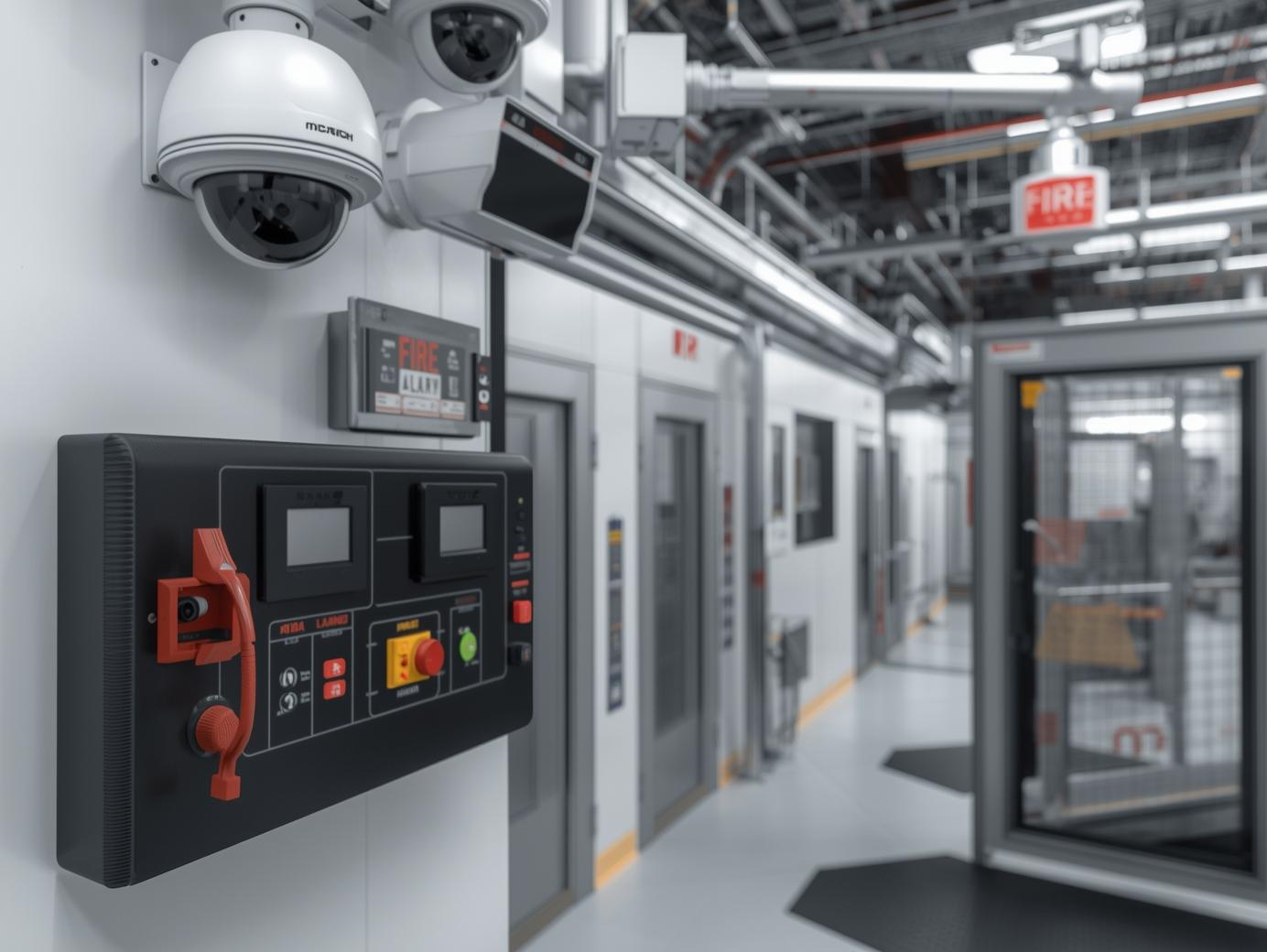
- Fire alarm systems
- Security barriers
- Monitoring software
These systems work together to detect, prevent, and respond to threats.
Why Security Systems Are Essential for Factories
Factories are busy and complex environments. They handle valuable machines, raw materials, finished products, and important business data. Every day, many workers, suppliers, and visitors enter and leave the facility. Without proper control, this activity can create serious risks.
For this reason, strong security systems are not optional. They are essential.
1. Prevent Theft
Factories often store:
- Expensive equipment
- High-value materials
- Finished goods ready for shipment
Without surveillance cameras, access control, and alarm systems, theft can happen easily. Security systems help detect suspicious behavior and reduce internal and external theft.
2. Control Employee Access
Not every worker should have access to all areas. Some zones may contain:
- Sensitive machinery
- Hazardous materials
- Confidential documents
Access control systems, such as ID cards or biometric scanners, ensure that only authorized personnel enter restricted areas.
3. Monitor Production Areas
Production lines require supervision to ensure safety and efficiency. Security cameras allow management to:
- Monitor operations in real time
- Identify unsafe behavior
- Investigate incidents
This improves both safety and productivity.
4. Protect Confidential Information
Factories often handle sensitive data such as:
- Product designs
- Manufacturing processes
- Client information
Security systems help prevent unauthorized access to offices, servers, and control rooms. Protecting information is just as important as protecting physical assets.
5. Reduce Vandalism
Unprotected facilities may become targets for vandalism. Broken equipment or damaged property can lead to costly repairs and downtime.
Security lighting, fencing, and surveillance systems discourage destructive behavior.
6. Improve Worker Safety
Security is not only about protecting property. It also protects people.
Cameras and monitoring systems help:
- Detect emergencies quickly
- Respond faster to accidents
- Ensure compliance with safety rules
A secure factory is a safer workplace.
Common Security Risks in Industrial Sites
1. Unauthorized Access
Unknown persons entering restricted areas can cause accidents or theft.
2. Equipment Theft
Industrial machines and materials are valuable.
3. Data Breach
Modern factories use digital systems that must be protected.
4. Internal Misuse
Sometimes risks come from inside the company.
5. Emergency Situations
Fires, gas leaks, or intrusions require immediate response.
Without monitoring systems, companies cannot respond quickly.
lifeline system and Security Integration
While a lifeline system protects workers from falling, security systems protect them from external threats. Integration between safety and security creates complete protection.
For example:
- CCTV cameras monitor workers at height
- Access control prevents unauthorized persons from entering roof areas
- Alarm systems detect unusual movement
Combining fall protection with surveillance increases overall safety.
The Role of safety cutter in Controlled Work Environments
A safety cutter reduces injury during packaging and warehouse operations. But security systems ensure that only authorized workers use tools and enter storage rooms.
Security cameras can:
- Monitor warehouse activity
- Reduce misuse of tools
- Prevent theft of materials
Even small tools require controlled environments.
Importance of lockout Procedures and Access Control
Proper lockout procedures prevent machines from starting during maintenance. But security systems add another protection layer.
Access control systems ensure:
- Only trained staff enter maintenance areas
- Entry is recorded
- Sensitive zones remain restricted
This reduces both accidents and unauthorized operations.
Types of Security Systems for Companies
CCTV Cameras Surveillance Systems
As LBW90, CVI-PT4E010CV130 and TVI-PT6A018TV200
allow 24/7 monitoring.
Benefits include:
- Real-time viewing
- Recorded footage
- Evidence in case of incident
- Remote monitoring
Access Control Systems
These systems control who can enter specific areas.
Methods include:
- Card readers
- Biometric scanners
- PIN codes
Intrusion Alarm Systems
These detect unauthorized entry.
They trigger:
- Audible alarms
- Notifications to security team
- Automatic alerts
Fire Alarm Systems
Fire detection protects people and property.
Includes:
- Smoke detectors
- Heat detectors
- Alarm panels
Security Barriers and Turnstiles
Control entry and exit points in factories.
Benefits of Installing Security Systems
- Reduce theft
- Increase productivity
- Protect employees
- Lower insurance costs
- Improve company reputation
- Provide legal protection
Security systems are an investment, not an expense.
Security in Warehouses
Warehouses store valuable materials.
Security solutions include:
-
CCTV in loading areas
-
Access control for storage rooms
-
Motion detectors
-
Perimeter protection
These systems reduce stock loss.
Security in Office Areas
Offices handle data and financial information.
Security measures include:
-
Access control for server rooms
-
Camera monitoring
-
Alarm systems
Data protection is critical.
Security and Safety Work Together
Security protects from intentional threats.
Safety protects from accidental risks.
Together they create complete protection.
For example:
-
Fire alarms protect from fire
-
CCTV ensures proper evacuation
-
Access control keeps emergency exits clear
Integration improves emergency response.
Maintenance of Security Systems
Security systems must be maintained regularly.
Maintenance includes:
-
Camera inspection
-
Software updates
-
Alarm testing
-
Battery checks
A non-working camera provides no protection.
Training and Security Awareness
Security systems alone are not enough to protect a factory or workplace. Employees play a major role in maintaining safety. If workers do not understand the rules, even the best security technology can fail.
For this reason, training and awareness are essential parts of any security plan.
Why Employee Training Is Important?
Workers are present in the facility every day. They are the first line of defense. When employees understand security procedures, they can:
- Prevent small issues from becoming serious problems
- Identify unusual behavior quickly
- Protect company property and information
- Support a safe working environment
Security is everyone’s responsibility.
Key Topics in Security Training
Training programs should include the following areas:
1. Reporting Suspicious Activity
Employees must know how to recognize and report unusual behavior, such as:
- Unknown persons in restricted areas
- Attempted theft
- Damaged locks or doors
- Suspicious packages
Clear reporting channels should be provided so employees feel confident speaking up.
2. Using Access Cards Properly
Access cards or biometric systems control entry to specific areas. Workers should:
- Never share access cards
- Avoid allowing unauthorized people to enter behind them
- Report lost or stolen cards immediately
Proper use of access systems reduces security risks.
3. Following Lockout Procedures
Lockout procedures are critical during maintenance or repair work. Employees must understand:
- When to lock equipment
- How to secure power sources
- Why bypassing procedures is dangerous
These steps protect workers from serious injuries and accidents.
4. Respecting Restricted Areas
Certain zones may contain:
- Hazardous materials
- Sensitive equipment
- Confidential information
Employees must respect warning signs and access limits at all times.
Building a Security Culture
A strong security culture means:
- Employees stay alert
- Rules are followed consistently
- Management supports safety policies
- Everyone understands their role in protection
When awareness becomes part of daily behavior, risks decrease significantly.
Financial Impact of Weak Security
Without security systems, companies may face:
- Theft losses
- Production delays
- Legal penalties
- Damage to reputation
Strong security reduces financial risk.