
Blog
Why 70% of Workplace Accidents Happen Despite the Best Safety Systems in Egypt?

Many companies believe that installing the best safety system means accidents will never happen. They invest in advanced protection like safety shower and eyewash station units for chemical exposure, compare every insulating mat price before purchasing electrical protection, and install a certified horizontal lifeline system for working at height. Yet reports still show that up to 70% of workplace accidents happen even in companies that claim they use the best safety systems.
The real question is not only about equipment quality, but about how systems are selected, installed, maintained, and used. we will explain why accidents still happen and how factories in Egypt can reduce risks effectively.
Workplace safety is not just about buying products. It is about building a full safety culture. Equipment alone cannot prevent accidents if people do not use it correctly or if systems are not properly maintained.
Understanding the 70% Accident Problem
When studies report that 70% of workplace accidents happen even when safety systems are installed, it does not always mean the equipment failed. In many cases, the safety devices are working correctly, but accidents still happen because of human and management issues.
Most accidents happen due to factors such as:
-
Poor training, where workers do not fully understand how to use safety equipment or respond to alarms.
-
Lack of supervision, which can lead to unsafe behavior going unnoticed.
-
Wrong product selection, such as using the wrong gas detector type or the wrong sensor for the workplace.
-
Poor maintenance, which causes detectors to give incorrect readings or fail during real danger.
-
Ignoring safety procedures, like entering confined spaces without testing the air first.
-
Overconfidence, where workers believe the environment is safe and take unnecessary risks.
This is why safety equipment alone is not enough. Safety systems must work together with proper training, strong supervision, correct equipment choice, regular maintenance, and strict safety management.
Common Causes of Workplace Accidents
Workplace accidents often happen because of a combination of human, technical, and management-related issues. Even when safety systems are available, these common causes can still lead to serious incidents:
1. Human Error
Human error is one of the most common causes of accidents. Workers may forget to wear personal protective equipment (PPE), skip safety steps, or ignore instructions due to pressure, stress, or routine habits.
2. Poor Maintenance
Even the best safety systems can fail if they are not inspected and maintained regularly. Gas detectors, alarms, and sensors must be checked, calibrated, and repaired to ensure they work properly when needed.
3. Incomplete Risk Assessment
Some companies install safety equipment without fully identifying all workplace hazards. If the risk assessment is incomplete, important dangers may be missed, and the safety system may not provide full protection.
4. Cost-Driven Decisions
Choosing the lowest price instead of certified quality can increase risk. Low-quality products may not meet safety standards, and they may fail during critical situations.
5. Lack of Safety Culture
Safety depends strongly on workplace culture. If management does not take safety seriously, workers are more likely to ignore rules and treat safety procedures as unimportant.
safety shower and eyewash station and Emergency Response Failures
Factories that handle chemicals must install safety shower and eyewash station units. But accidents still happen when:
-
The station is blocked
-
Water pressure is weak
-
Workers do not know how to use it
-
It is not tested regularly
A safety shower is effective only if:
-
It is installed near hazard areas
-
It is inspected weekly
-
Workers are trained
-
Water supply is clean and strong
Emergency equipment must always be ready.
The Truth About insulating mat price and Electrical Accidents
Many companies focus only on insulating mat price instead of quality standards. Cheap mats may:
-
Crack under pressure
-
Lose insulation ability
-
Fail during high voltage exposure
Even when high-quality mats are purchased, accidents happen if:
-
Workers do not stand on them
-
Mats are not replaced when damaged
-
Electrical panels are poorly maintained
Electrical safety requires: -
Certified insulating mats
-
Lockout systems
-
Proper grounding
-
Trained technicians
Price should never be the main decision factor in electrical safety.
Why horizontal lifeline system Alone Is Not Enough
Installing a horizontal lifeline system is important for working at height. However, accidents still occur because:
-
Workers do not attach harness correctly
-
Anchor points are weak
-
System is not inspected
-
Overloading occurs
Fall protection requires: -
Certified harnesses
-
Strong anchor points
-
Regular inspection
-
Worker training
Even the best lifeline system cannot protect a worker who does not connect properly.
Other Important Safety Products in Industrial Environments
Industrial safety is not based on one device only. A strong safety system includes many products that work together to protect workers, reduce hazards, and prevent accidents. Companies must combine personal protection, gas detection, fire safety, spill control, and machine safety to create a safer workplace.
Personal Protective Equipment (PPE)
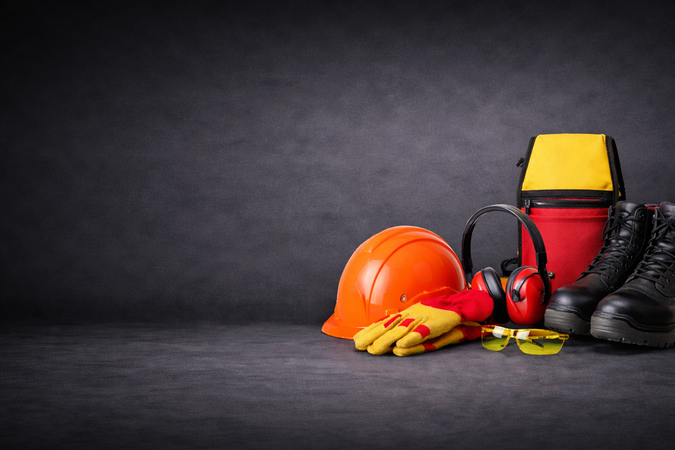
Personal Protective Equipment is the first line of protection for workers. It helps reduce injuries during daily operations.
Common PPE includes:
-
Safety helmets to protect the head from falling objects
-
Safety glasses to protect the eyes from dust and chemical splashes
-
Face shields for extra face protection during high-risk tasks
-
Cut-resistant gloves to reduce hand injuries from sharp tools or materials
-
Safety shoes to protect feet from heavy objects, slips, and punctures
Gas Detectors
Gas detectors are essential in industrial environments where toxic or flammable gases may be present. They help detect dangerous gases early and provide alarms before conditions become life-threatening.
Main types include:
-
Portable gas detectors for personal protection
-
Fixed gas detection systems for continuous monitoring of large areas
These detectors can identify toxic gases, flammable gases, and unsafe oxygen levels.
Fire Protection Equipment
Fire protection equipment helps control fires quickly and reduce damage to people and property. Early detection and fast response are critical.
Common fire safety products include:
-
Fire extinguishers
-
Fire alarm systems
-
Fire blankets
-
Emergency lighting for safe evacuation during power failure
Spill Control Equipment
Spill control equipment is used to manage chemical spills, oil leaks, and hazardous liquid releases. It helps prevent slips, environmental damage, and chemical exposure.
Common spill control products include:
-
Absorbent pads
-
Spill kits
-
Containment pallets
Lockout Tagout Systems (LOTO)
Lockout Tagout systems prevent machines from starting accidentally during maintenance or repair work. This reduces the risk of serious injuries caused by unexpected machine movement or energy release.
All these safety systems must work together. When combined with training, inspections, and strong safety management, they create a safer and more reliable industrial workplace.
The Role of Training in Accident Prevention
Training is one of the most important parts of workplace safety. Even the best safety equipment cannot prevent accidents if workers do not know how to use it properly.
Training should include:
-
How to use PPE: Workers must know how to wear helmets, gloves, shoes, and other protective gear correctly.
-
How to respond to emergencies: Employees should practice evacuation, fire response, and gas leak procedures.
-
How to report hazards: Workers need to know how to identify and report unsafe conditions quickly.
-
How to inspect equipment: Employees should check tools, detectors, and safety systems to make sure they are working properly.
Without proper training, safety systems may fail, and workers remain at risk even in a well-equipped workplace.
Maintenance and Inspection: The Missing Factor
Many accidents happen not because safety equipment is poor, but because it was not inspected or maintained properly. Safety equipment is not “install and forget.” Regular checks are essential to ensure it works when needed.
Companies must:
-
Schedule regular inspections of all safety devices and protective gear.
-
Replace damaged equipment immediately to avoid failure during critical situations.
-
Test alarms and detectors to confirm they are functioning correctly.
-
Keep maintenance records to track inspections, repairs, and replacements.
Proper training combined with regular maintenance ensures that safety systems actually protect workers and reduce accidents.
Building a Strong Safety Culture
A strong safety culture means:
- Management leads by example
- Workers report risks
- Safety meetings are regular
- Safety rules are enforced
When safety becomes part of daily work, accidents decrease.
Integrated Safety Systems
The best companies use integrated systems that include:
- Fall protection
- Electrical protection
- Chemical emergency systems
- Gas detection
- Fire protection
- PPE
Integration reduces risk gaps.
Financial Impact of Workplace Accidents
Workplace accidents are not only dangerous—they are also very costly for companies. Accidents can create unexpected expenses that affect both the safety budget and overall business performance.
Common financial impacts include:
- Medical costs for injured workers, including treatment, hospitalization, and rehabilitation.
- Legal penalties for failing to follow safety regulations or for negligence.
- Production delays, as operations may need to stop until the accident is resolved.
- Equipment damage, which can be expensive to repair or replace.
- Reputation loss, which can affect trust with customers, investors, and employees.
Investing in safety systems, training, and maintenance is always cheaper than paying for accidents after they happen. Prevention protects both workers and the company’s finances.
FAQ – Frequently Asked Questions
-
Why do accidents happen even with safety systems?
Because of poor training, poor maintenance, or incorrect use.
-
Is equipment alone enough to prevent accidents?
No. Training and supervision are also necessary.
-
How often should safety showers be tested?
They should be tested weekly.
-
Should companies focus only on insulating mat price?
No. Quality and certification are more important than price.
-
Can a horizontal lifeline system prevent all falls?
No. Workers must use it correctly and inspect it regularly.
-
What is the most common cause of accidents?
Human error and lack of safety culture.
-
How can companies reduce accident rates?
By combining certified equipment, training, and regular inspection.
Why Choose AMAN?
Choosing AMAN means choosing a trusted partner for complete industrial safety solutions.
- Experience Since 2006 – Over 15 years of expertise in protecting industrial workplaces across Egypt.
- Certified High-Quality Products – All equipment meets international safety standards for reliable protection.
- Comprehensive Industrial Safety Solutions – From PPE and fire safety systems to lockout tagout, spill control, and electrical protection.
- Expert Technical Support – Knowledgeable team ready to provide guidance, installation support, and training.
- Cost-Effective Long-Term Protection – Investing in certified solutions reduces accidents, downtime, and operational losses.
- Strong Reputation in Egypt – Trusted by factories, warehouses, and industrial facilities nationwide.
AMAN does more than sell products—it provides complete safety solutions that protect workers, ensure compliance, and minimize business risks.