
Blog
Factory Safety Standards and Protection 2026

Occupational safety in factories in 2026 is a key factor for business success. A safe factory protects workers, reduces financial losses, and improves productivity. Every modern facility must apply strong safety standards from the main entrance to the production floor. This includes installing a first aid box for wall for quick medical response, working with trusted safety shower suppliers for chemical emergency protection, and placing a commercial entrance floor mat to prevent slips and falls. These elements are part of a complete safety system that reduces accidents and supports long-term business stability.
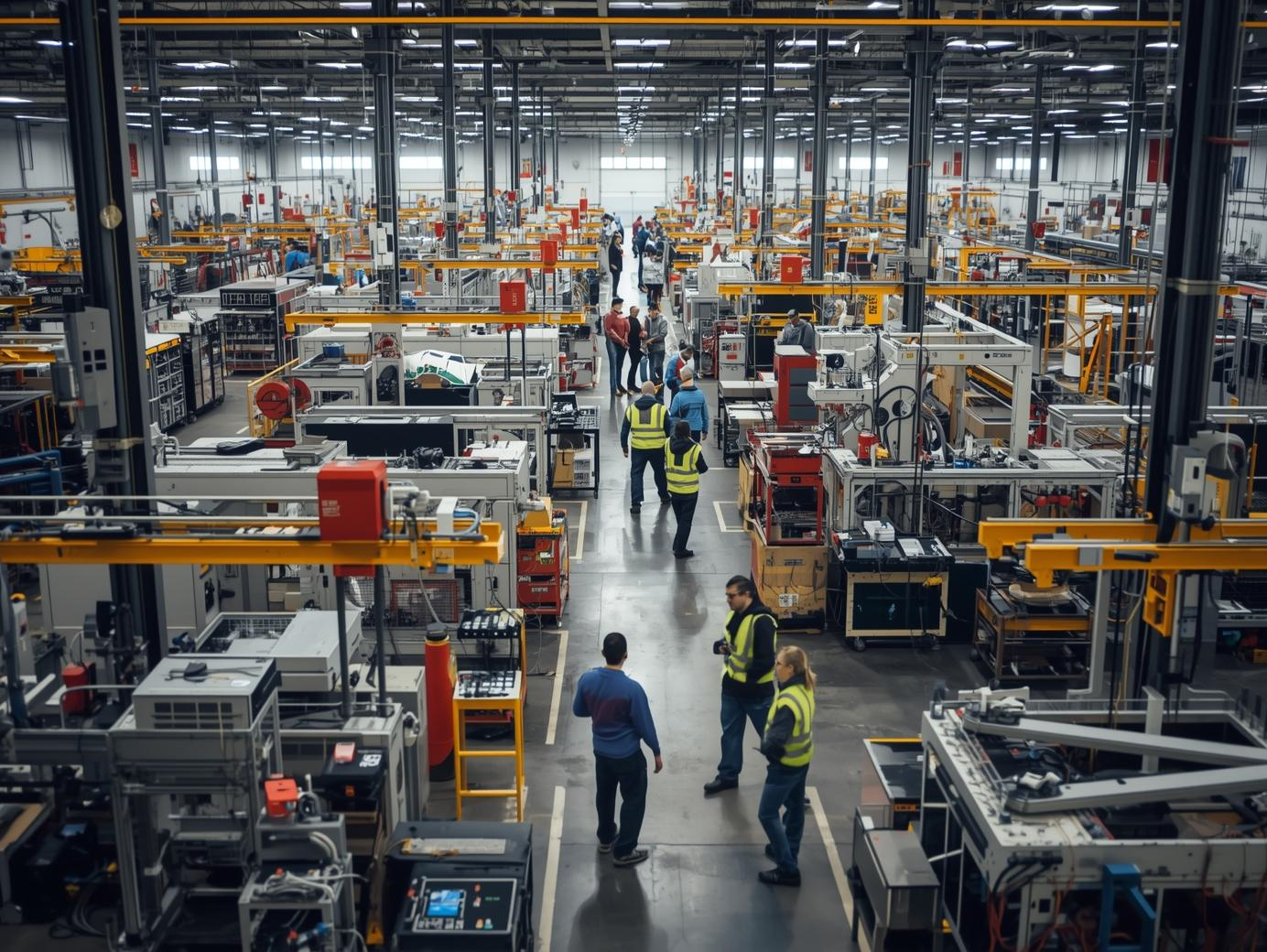
Factories include many risks such as heavy machinery, high voltage systems, chemicals, noise, dust, and moving vehicles. Without a clear occupational safety plan, these risks can lead to serious injuries and operational delays. In this guide, we explain how factories can build a strong safety system in 2026 using practical and effective solutions provided by AMAN in Egypt.
Why Occupational Safety in Factories Is Important in 2026
Workplace safety is not only a legal requirement. It is a smart investment.
Protecting Workers
Employees are the most valuable asset in any factory. When workers feel safe, they focus better and perform tasks with confidence. Reduced injuries mean fewer sick days and higher morale.
Reducing Financial Loss
Accidents cause medical costs, production stoppage, equipment damage, and possible legal penalties. A strong safety system reduces these risks and lowers overall operational costs.
Improving Company Reputation
Companies that follow strict safety standards gain trust from clients, partners, and employees. A safe workplace builds a strong brand image in the industrial market.
Safety Planning and Risk Assessment Strategy
A clear safety plan is the foundation of occupational protection.
Conducting Risk Assessments
Factories must inspect all areas including production lines, warehouses, laboratories, and loading zones. Risk assessment helps identify hazards before accidents happen.
Assigning Safety Responsibilities
Every factory should appoint safety officers who monitor daily operations and ensure compliance with safety procedures.
Setting Measurable Safety Goals
Factories should define clear targets such as reducing injuries each year. Tracking progress improves accountability and performance.
AMAN supports factories by offering professional consultation services to design customized safety systems based on each industry’s needs.
Safe Workplace Layout and Facility Design
Factory design directly affects safety performance.
Clear Walkways and Emergency Exits
Emergency exits must always be visible and free from obstacles. Walkways should be marked clearly to separate workers from moving vehicles.
Proper Lighting and Ventilation
Good lighting reduces mistakes and accidents. Proper ventilation improves air quality and protects workers from harmful fumes.
Organized Storage Systems
Storage racks must be stable and strong. Heavy items should be stored at lower levels to prevent falling accidents.
Emergency Medical Readiness and first aid box for wall
Immediate medical response is critical in industrial environments.
Strategic Placement of First Aid Equipment
A first aid box for wall should be installed in production areas, warehouses, and maintenance rooms. It must be easy to access during emergencies.
Essential Contents of First Aid Boxes
The box should include sterile bandages, antiseptic wipes, gloves, burn treatment cream, and medical tape. Regular inspection ensures that all items are available and not expired.
Benefits of Quick Medical Response
Fast treatment reduces injury severity and prevents complications. AMAN provides durable wall-mounted first aid boxes made from strong materials suitable for industrial use.
Chemical Emergency Systems and safety shower suppliers
Factories dealing with chemicals must prepare for accidental exposure.
Working with reliable safety shower suppliers ensures proper installation of emergency washing systems near chemical handling areas.
Regular Testing and Maintenance
Safety showers must be tested frequently to confirm correct water pressure and function. Clear signage should guide workers to these stations.
Training Workers on Emergency Use
Employees must know when and how to use emergency showers to reduce chemical injury risks. AMAN supplies certified safety shower systems that meet international safety standards.
Slip Prevention and commercial entrance floor mat
Slips and falls are common workplace injuries. Prevention starts at the entrance.
Controlling Dirt and Moisture
A commercial entrance floor mat helps trap water, dust, and oil before they spread inside the factory. This reduces slippery surfaces.
Entrance mats must be durable, anti-slip, and suitable for heavy foot traffic. Proper size and placement are important for effectiveness.
Maintaining Clean Floors
Regular cleaning combined with high-quality entrance mats improves overall workplace safety. AMAN offers strong industrial floor mat solutions designed for factories and commercial facilities.
Personal Protective Equipment (PPE) Solutions
Protective equipment is essential for daily factory operations.
Head, Eye, and Hand Protection
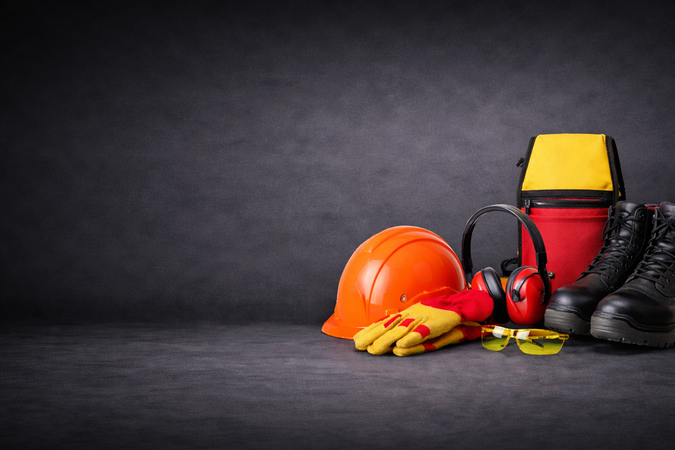
Safety helmets protect from falling objects. Protective goggles prevent eye injuries. Industrial gloves protect from cuts and chemicals.
Foot and Body Protection
Safety shoes with steel toe caps protect feet from heavy impacts. Reflective vests improve visibility in busy working zones.
Respiratory and Hearing Protection
Respirators protect from dust and harmful gases. Ear protection reduces long-term hearing damage in noisy environments.
AMAN provides a complete range of certified PPE products from trusted global manufacturers to ensure maximum protection and comfort.
Fire Safety and Detection Systems in Factories
Fire risk management is a core part of occupational safety.
Different types of extinguishers must be available depending on fire risks such as electrical or flammable material fires.
Early Detection Systems
Smoke detectors and heat sensors provide early warning signals. Fire alarms must be clear and loud across all factory areas.
Conducting Fire Drills
Regular training and evacuation drills prepare workers for emergency situations and reduce panic during real incidents.
AMAN supplies fire extinguishers, alarm systems, fire cabinets, and other fire protection equipment designed for industrial environments.
Advanced Occupational Safety Solutions in Factories 2026
we will focus on advanced safety systems, smart technology, inspection programs, employee development, and why choosing AMAN makes a real difference. Modern factories in 2026 depend on continuous improvement, digital monitoring, and high-quality industrial safety products to stay competitive and safe.
A complete safety system is not static. It grows with the factory’s operations, workforce size, and production volume. Advanced safety solutions help reduce human error, detect risks earlier, and improve emergency response time.
Smart Safety Technology in Modern Factories
Technology plays a major role in occupational safety in 2026. Smart systems allow factories to monitor risks in real time.
Safety Monitoring Sensors
Factories now use sensors to detect gas leaks, smoke, temperature changes, and machine vibration. These sensors send alerts immediately when abnormal conditions are detected. Early warning helps prevent accidents before they happen.
Digital Safety Management Systems
Many factories use digital platforms to track incidents, inspection reports, and corrective actions. This improves documentation and ensures that safety issues are solved quickly.
Access Control and Surveillance
Advanced factories use access control systems to limit entry to high-risk areas. Security cameras help monitor operations and improve overall safety management.
AMAN supports factories by supplying reliable industrial safety equipment and helping integrate advanced protection systems that meet international standards.
Inspection Programs and Preventive Maintenance
Regular inspection is one of the most effective ways to reduce workplace accidents.
Daily Visual Inspections
Supervisors should perform quick daily checks of machines, fire extinguishers, emergency exits, and protective equipment. Small problems can be fixed before becoming major risks.
Monthly Equipment Testing
Safety showers, alarms, extinguishers, and emergency lighting should be tested monthly. This ensures proper functionality during emergencies.
Preventive Maintenance Plans
Machines must follow a scheduled maintenance plan. Replacing worn parts early prevents sudden breakdowns that may cause injuries.
A strong inspection system increases safety reliability and reduces downtime.
Advanced Fire Protection Strategies
Fire safety in 2026 requires more than basic extinguishers.
Automatic Fire Suppression Systems
Factories may install automatic fire suppression systems in high-risk areas such as electrical rooms or storage zones with flammable materials. These systems activate automatically when fire is detected.
Fire-Resistant Storage Cabinets
Flammable liquids and chemicals must be stored in certified fire-resistant cabinets to prevent explosion risks.
Emergency Communication Systems
Clear communication during fire emergencies is critical. Public address systems help guide workers to safe exits quickly.
AMAN offers fire cabinets, suppression systems, and industrial-grade fire safety equipment designed to meet strict safety requirements.
Safe Material Handling and Industrial Barriers
Material handling accidents are common in factories. Proper systems reduce these risks.
Forklift Safety Measures
Forklift routes should be clearly marked. Drivers must be trained and certified. Speed limits should be enforced inside facilities.
Protective Barriers and Guardrails
Industrial barriers protect workers from moving vehicles and heavy machinery. Guardrails can separate walkways from operational zones.
Loading Dock Safety Equipment
Dock levelers, wheel chocks, and safety mirrors reduce accidents during loading and unloading operations.
AMAN supplies industrial barriers, safety signs, and protective systems that improve movement safety inside factories.
Electrical Safety and Lockout Systems
Electrical hazards remain one of the most serious risks in industrial environments.
Lockout and Tagout Procedures
Before maintenance, machines must be completely powered off and locked to prevent accidental startup. Clear warning tags should be placed on equipment under repair.
Insulated Tools and Protective Equipment
Electricians should use insulated gloves and certified tools to prevent electric shock.
Clear Electrical Signage
Electrical panels must have warning labels to prevent unauthorized access.
Applying strict electrical safety procedures reduces serious injury risks and ensures compliance with regulations.
Occupational Health and Worker Wellbeing
Safety is not only about accident prevention. It also includes long-term worker health.
Air Quality Monitoring
Factories should monitor dust levels and install proper ventilation systems. Clean air improves breathing health and reduces sickness.
Noise Level Control
High noise levels can cause permanent hearing damage. Installing noise barriers and providing hearing protection reduces this risk.
Heat Stress Management
In hot environments, factories should provide cooling systems and allow regular rest breaks. Hydration stations must be easily available.
AMAN provides protective equipment and safety solutions that support long-term occupational health.
Safety Training and Skill Development
Training is a continuous process in 2026.
New Employee Safety Orientation
Every new worker should receive safety training before starting work. They must understand emergency procedures and equipment use.
Regular Safety Workshops
Monthly or quarterly workshops help refresh knowledge and introduce updated procedures.
Emergency Simulation Drills
Practical drills prepare workers for fire, chemical spills, or evacuation scenarios. Practice reduces panic and confusion during real emergencies.
A trained workforce is the strongest defense against workplace accidents.
Building a Strong Safety Culture
A positive safety culture ensures that safety rules are followed naturally.
Encouraging Hazard Reporting
Workers should feel comfortable reporting unsafe conditions without fear of punishment.
Management Commitment
Leaders must demonstrate commitment to safety by following rules and supporting improvements.
Rewarding Safe Behavior
Recognizing safe performance motivates employees to maintain high standards.
Safety culture creates shared responsibility across all levels of the organization.
Frequently Asked Questions (FAQ)