Choosing the best gas detectors starts with understanding the difference between portable and fixed gas detection systems. Both play a vital role in workplace safety, but they are designed for different purposes.
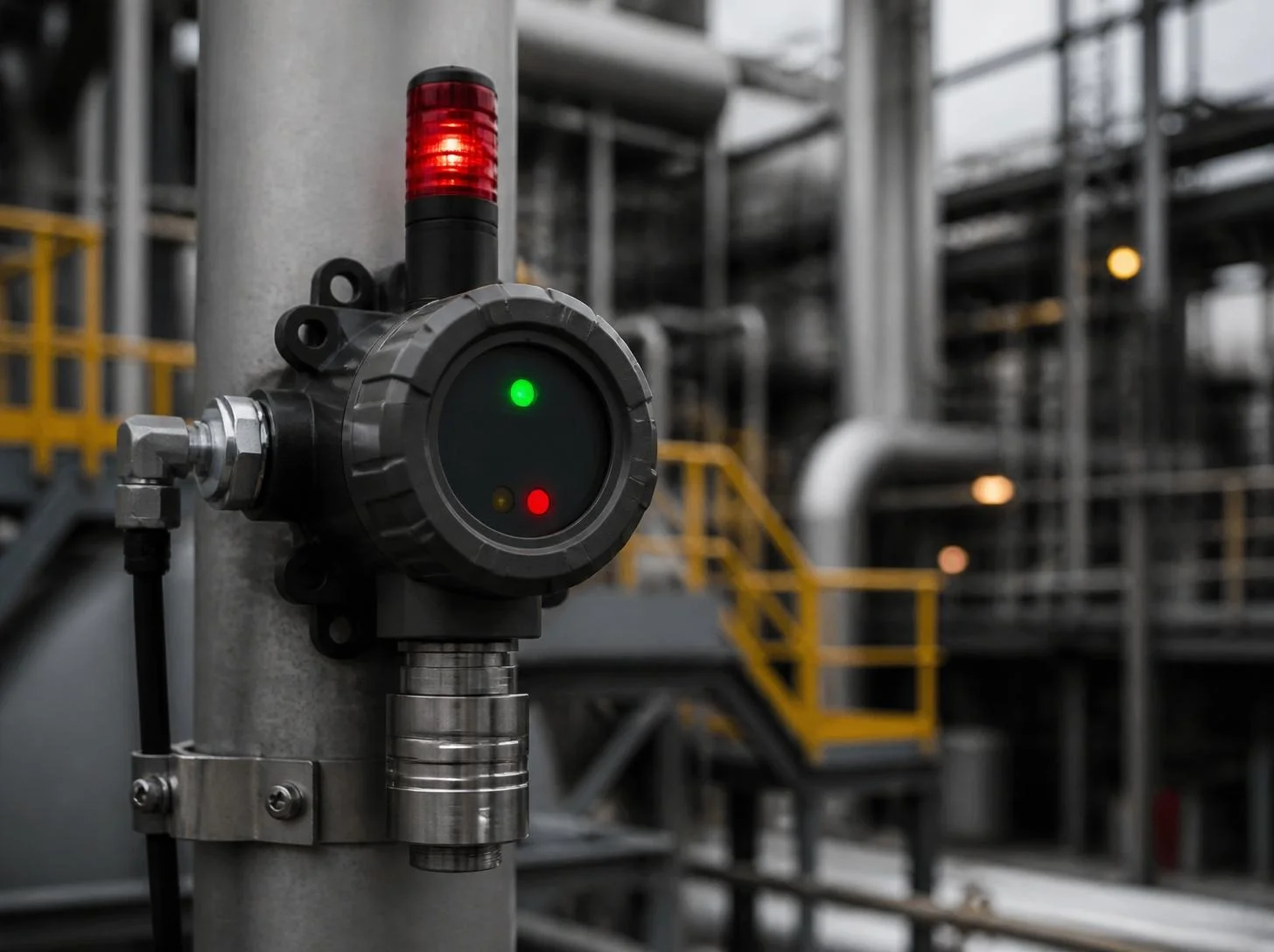
Portable gas detectors protect individual workers as they move through different environments, while fixed gas detectors continuously monitor specific locations for potential gas leaks. Many industrial facilities use both systems together to achieve the highest level of safety.
For maximum workplace protection, many industrial companies combine portable and fixed gas detection systems. This approach ensures that both employees and critical work areas are continuously protected against hazardous gas leaks, making it one of the most effective strategies when selecting the best gas detectors.
How Often Should Best Gas Detectors Be Calibrated?
Calibration is essential for maintaining accurate readings. Even the best gas detectors gradually lose accuracy if they are not calibrated according to the manufacturer’s recommendations.
Many industries perform:
- Daily bump testing
- Monthly inspections
- Scheduled calibration every few months
- Annual professional servicing
Calibration intervals vary depending on the detector model, sensor type, environmental conditions, and industry regulations. Skipping calibration may result in false alarms or, even worse, failure to detect dangerous gas levels.
How Do Best Gas Detectors Improve Workplace Safety?
Gas detectors protect people in several ways. They provide early warning before gas reaches dangerous concentrations.
The best gas detectors help businesses:
- Reduce workplace accidents
- Protect employees
- Reduce production downtime
- Prevent explosions
- Improve emergency response
- Support regulatory compliance
- Protect expensive industrial equipment
Instead of reacting after an incident occurs, companies can respond while the problem is still manageable.
Can Restaurants Benefit from Best Gas Detection Systems?
Absolutely yes. Many restaurant owners think gas detectors are only for factories, but commercial kitchens also face gas-related risks.
The best gas detectors help monitor:
- Natural gas leaks
- LPG systems
- Boiler rooms
- Kitchen equipment
- Storage areas
Large restaurants usually operate for long hours with multiple cooking stations.
Continuous monitoring adds another layer of protection for employees and customers. Many restaurant owners also install a first aid box nearby as part of their overall emergency preparedness plan.
Why Are Gas Detectors Critical in Oil and Gas Facilities?
Oil and gas facilities present some of the highest gas exposure risks in any industry. Leaks may occur during drilling, refining, storage, transportation, or maintenance activities.
The best gas detectors help monitor combustible gases before they reach explosive concentrations.
Typical monitoring locations include:
- Drilling platforms
- Pump stations
- Tank farms
- Processing units
- Pipeline systems
- Loading terminals
In these environments, even a few seconds of early warning can make a major difference.
Are Gas Detectors Necessary in Renewable Energy Projects?
Yes. Many people associate renewable energy only with solar panels or wind turbines, but these facilities often include battery storage systems, hydrogen projects, backup generators, and electrical equipment.
The best gas detectors help monitor gases produced during battery charging, hydrogen storage, or maintenance operations.
As renewable energy projects continue to expand, gas monitoring is becoming an increasingly important part of workplace safety planning.
How Can Companies Choose the Best Gas Detector?
Choosing the best gas detectors should never depend only on price. Safety managers should evaluate several important factors, including:
- Types of gases present
- Indoor or outdoor installation
- Temperature conditions
- Humidity levels
- Required certifications
- Maintenance requirements
- Sensor technology
- Alarm methods
- Integration with existing safety systems
A small warehouse may only need a single portable detector, while a petrochemical facility often requires a complete fixed gas detection network connected to central monitoring systems.
Are Gas Detectors Required in Chemical Manufacturing Plants?
Yes, chemical manufacturing plants work with substances that may release toxic, flammable, or oxygen-displacing gases during production. Even a small leak can spread quickly if it is not detected early.
The best gas detectors help chemical plants monitor critical areas before gas reaches dangerous levels. Fixed detectors are commonly installed near mixing tanks, chemical storage rooms, transfer pumps, and ventilation systems, while portable detectors are used during inspections and maintenance work.
Unlike many other workplaces, chemical factories often monitor several gases simultaneously because different production lines use different raw materials.
Why Do Engineering Companies Install Best Gas Detection Systems?
Engineering companies frequently work in changing environments where underground pipelines, confined spaces, generators, or temporary fuel systems may create gas hazards.
The best gas detectors allow engineers to verify that the air is safe before work begins. They are especially valuable during shutdown projects, infrastructure construction, bridge maintenance, and industrial expansion projects.
A portable detector can identify dangerous gas before workers enter a manhole, tunnel, or underground utility chamber, making it one of the simplest ways to reduce serious workplace incidents.
How Do Large Manufacturing Factories Use Gas Detectors?
Manufacturing facilities often operate around the clock with hundreds of employees and multiple production processes.
The best gas detectors are usually installed in locations where gas leaks could interrupt production or endanger workers, such as:
- Boiler rooms
- Production halls
- Fuel storage areas
- Compressor stations
- Maintenance workshops
- Loading docks
Many factories also connect gas detectors to ventilation systems so that fresh air starts automatically if hazardous gas levels increase.
Do Hospitals Need Best Gas Detectors?
Yes. Hospitals use many medical gases every day, including oxygen, nitrous oxide, and other specialized gases.
The best gas detectors help hospital engineers monitor gas storage rooms, central supply systems, laboratories, and maintenance areas. Hospitals also use detectors in backup generator rooms where carbon monoxide or fuel-related gases may accumulate.
Reliable gas monitoring protects patients, healthcare workers, and expensive medical equipment.
What Features Should Business Owners Look for Before Buying the Best Gas Detectors?
Not every detector offers the same level of protection. The best gas detectors usually include features such as:
- Fast response time
- Clear digital display
- Loud alarm
- Visual warning lights
- Vibration alerts
- Long battery life
- Easy calibration
- Data logging
- Remote monitoring capability
- Certified sensor technology
Rather than focusing only on price, businesses should compare long-term reliability, maintenance requirements, and technical support.
How Long Do the Best Gas Detector Sensors Last?
Sensor lifespan depends on the technology and operating environment. The best gas detectors generally use sensors that last between two and five years, although exposure to harsh chemicals, high temperatures, or heavy contamination may shorten their service life.
Routine inspections help identify aging sensors before they affect detector accuracy. Replacing sensors on time is usually much less expensive than dealing with a workplace accident caused by inaccurate readings.
Best Gas Detectors: What Are the Most Common Maintenance Mistakes?
Even high-quality equipment requires proper care. The best gas detectors can lose effectiveness if companies make common maintenance mistakes such as:
- Ignoring scheduled calibration
- Blocking sensor openings with dust
- Using damaged batteries
- Storing detectors in unsuitable environments
- Failing to replace expired sensors
- Skipping bump tests before daily use
A detector should always be treated like other critical safety equipment because workers depend on its accuracy during emergencies.
Can Best Gas Detectors Work Together with Other Safety Systems?
Yes. Modern industrial facilities often integrate multiple safety systems into one central monitoring network.
The best gas detectors can communicate with:
- Fire alarm systems
- Emergency shutdown systems
- Building management systems
- Ventilation controls
- Audible and visual warning devices
Some facilities also combine gas monitoring with lock out tag out kit procedures to isolate hazardous equipment before maintenance begins, creating a safer working environment for technicians.
Best Gas Detectors: Why Should Companies Buy from an Experienced Safety Provider like Aman Safety?
Buying a detector is only one part of building a safe workplace. Companies also need help selecting the correct sensor type, determining installation locations, planning maintenance, and training employees.
Founded in 2006 in Cairo, Egypt, AMAN focuses on protecting lives and minimizing workplace risks through high-quality industrial safety solutions. By working closely with customers and leading global manufacturers, AMAN designs customized solutions that meet real operational needs.
The company understands the financial pressure businesses face and helps reduce overall safety costs by preventing accidents and minimizing losses. AMAN’s experienced team provides support before, during, and after installation to ensure customers choose the right products for their environment. At AMAN, People First is more than a slogan—it is the foundation of every safety solution.
Also find horizontal lifeline system and ceramic safety cutter from AMAN
Which are the best Gas Detectors for Oil and Gas Facilities?
Oil and gas facilities face some of the highest gas risks because flammable gases can escape during drilling, processing, transportation, or storage. The best gas detectors for these environments are usually fixed detection systems supported by portable multi-gas detectors carried by workers.
Important monitoring locations include:
- Wellheads
- Offshore platforms
- Refineries
- Tank farms
- Pipeline stations
- Compressor buildings
- Pumping stations
Unlike a small warehouse, an oil refinery often requires hundreds of connected detectors that continuously monitor different hazardous gases.
Best Gas Detectors: Are Wireless Gas Detectors Better Than Traditional Systems?
Wireless technology has become much more reliable in recent years.
When selecting the best gas detectors, many businesses compare wireless and wired gas detection systems. Both technologies provide reliable gas monitoring, but each offers unique advantages depending on the facility’s operational needs and safety requirements.
Wireless gas detectors have become increasingly reliable, making them a popular choice for modern industrial applications. However, wired systems remain the preferred option in some high-risk environments where continuous communication is critical.
The best choice depends on your facility’s layout, operational requirements, and safety objectives. Many organizations select the best gas detectors by evaluating their specific risks rather than relying on a one-size-fits-all solution.
Can Best Gas Detectors Help Reduce Business Costs?
Yes. Many business owners first think about worker safety, but the best gas detectors also help reduce financial losses.
Early gas detection may prevent:
- Equipment damage
- Production shutdowns
- Product contamination
- Insurance claims
- Emergency repairs
- Environmental incidents
Investing in prevention is usually much less expensive than recovering from a major industrial accident.
Where Should Gas Detectors Be Installed?
Correct placement is just as important as choosing the right detector. The best gas detectors should always be installed after a professional hazard assessment.
Common installation locations include:
- Gas storage rooms
- Boiler rooms
- Loading stations
- Chemical processing areas
- Battery charging rooms
- Generator rooms
- Confined spaces
- Fuel transfer areas
Because every gas behaves differently, detector height also matters. For example, methane rises, while heavier gases may collect near the floor.
What Mistakes Do Companies Make When Choosing The Best Gas Detectors?
Several purchasing mistakes appear repeatedly across different industries. The best gas detectors are often overlooked because companies focus only on initial cost.
Common mistakes include:
- Buying detectors without a site survey
- Ignoring future expansion
- Choosing the wrong sensor technology
- Installing too few detectors
- Forgetting calibration planning
- Not training employees
- Purchasing uncertified equipment
A slightly higher investment today can provide much greater protection for many years
Best Gas Detectors: Why Do Many International Companies Choose AMAN?
Industrial businesses need more than equipment—they need expert guidance. Whether the project involves a manufacturing plant, an engineering contractor, a restaurant chain, a renewable energy facility, or an oil and gas company, AMAN helps customers improve workplace safety while reducing long-term operational risks.
Many regional businesses also recognize AMAN as a trusted PPE equipment supplier in GCC comprehensive industrial safety solutions.
Best Gas Detectors: Infrared vs. Catalytic Gas Sensors
Selecting the best gas detectors involves more than choosing the device itself—it also requires choosing the right sensor technology. Different sensors are designed to detect different types of gases, and the best option depends on the workplace, the gases being monitored, and the operating environment.
The two most common sensor technologies used in industrial gas detection are infrared (IR) and catalytic sensors.
There is no single sensor technology that is ideal for every application. The best gas detectors are those equipped with the sensor type that matches your specific gas hazards, workplace conditions, and operational requirements. Choosing the right combination of detector and sensor helps ensure accurate monitoring, improved workplace safety, and reliable long-term performance.
What Should Companies Do After a Gas Alarm The Best Gas Detectors?
A gas alarm should always be treated as a real emergency until trained personnel confirm the area is safe. When the best gas detectors activate, companies should:
- Stop work immediately if required.
- Move employees to a safe location.
- Identify the source of the gas.
- Isolate the affected area.
- Ventilate the location if appropriate.
- Allow trained personnel to investigate.
- Restart operations only after confirming that gas levels are safe.
Responding quickly helps prevent injuries and equipment damage.
Best Gas Detectors: Why work with AMAN for gas detection solutions?
AMAN provides expert guidance, high-quality industrial safety products, customized recommendations, and technical support to help businesses choose the best gas detectors for their specific operational risks.