

Blog
How to Use Anti Slip Mat: Complete Guide for Factories, Hospitals, and Industrial Workplaces

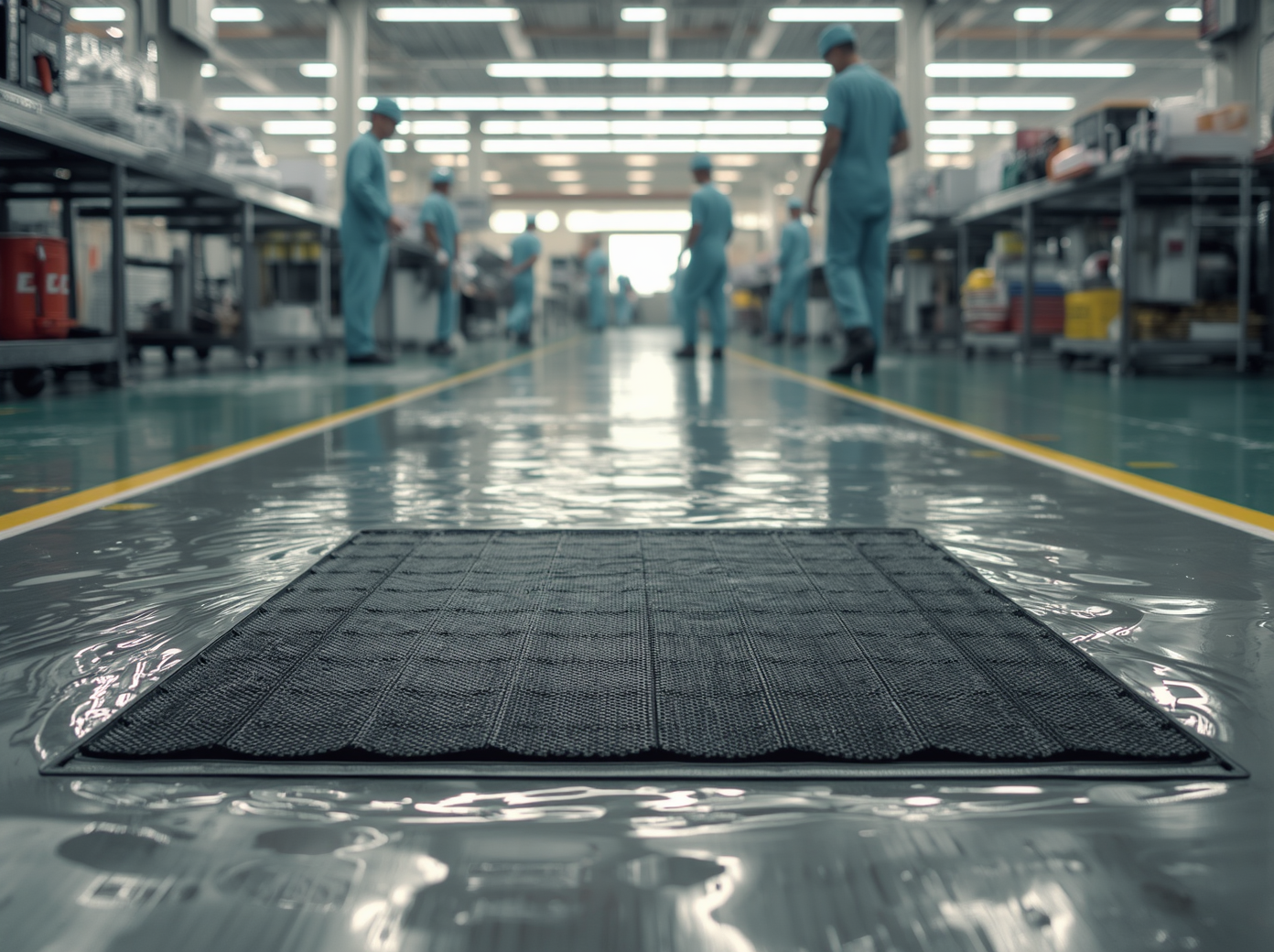
Every year, thousands of workplace accidents happen because of something many companies underestimate: unsafe flooring. A worker slips near a machine because of leaking oil. A nurse falls in a hospital hallway after water spills during cleaning. A technician loses balance on a wet engineering site after sudden rain. In many cases, these accidents seem small at first, but they can lead to serious injuries, expensive downtime, and interrupted operations. This is exactly why understanding how to use anti slip mat has become an important part of modern workplace safety planning.
From factories and hospitals to restaurants, construction sites, renewable energy facilities, and oil field operations, learning how to use anti slip mat correctly can solve one of the most common workplace safety problems before accidents happen.
At AMAN, we have worked since 2006 to help businesses build safer work environments through practical safety solutions designed to reduce risk and protect workers every day.
Why Understanding How to Use anti slip mat Matters in Workplace Safety
Many safety managers focus heavily on machines, electrical systems, and protective equipment while overlooking floor safety. In reality, slip-and-fall accidents remain one of the most frequent workplace injuries worldwide.
Understanding how to use anti slip mat helps organizations create safer daily operations by improving floor grip in high-risk areas.
Main benefits include:
- Reducing slip accidents
- Improving worker confidence while walking
- Protecting high-traffic work zones
- Improving movement around dangerous equipment
- Lowering accident-related downtime
The goal is simple: safer movement means fewer preventable accidents.
How to Use Anti Slip Mat in Manufacturing Factories
Factories often contain oil residue, moving equipment, dust buildup, and constant worker movement. These conditions create surfaces that become dangerous very quickly. Understanding how to use anti slip mat in manufacturing means placing mats in areas where workers constantly move around machines.
Best factory locations include:
- Machine operation stations
- Assembly lines
- Packaging zones
- Forklift loading areas
- Maintenance sections
A production facility usually needs heavier-duty mats compared to standard commercial spaces because workers move continuously during long shifts.
How to Use Anti Slip Mat in Heavy Machinery Factories
Factories operating heavy industrial machines create unique flooring risks. Hydraulic leaks, lubricant spills, and metal debris can all affect floor safety.
Knowing how to use anti slip mat in heavy equipment factories means installing mats around:
- CNC machines
- Press machines
- Industrial cutting machines
- Mechanical maintenance stations
- Compressor rooms
In these environments, stronger industrial-grade anti-slip materials perform much better than general-purpose mats.
How to Use Anti Slip Mat in Food Production Factories
Food factories constantly deal with water, cleaning chemicals, oil residue, and fast-moving workers. This makes understanding how to use anti slip mat extremely important for food production safety.
Recommended areas include:
- Washing stations
- Food preparation lines
- Packaging sections
- Refrigeration rooms
- Cleaning zones
Unlike metal workshops, food factories usually need mats that combine slip resistance with easier cleaning requirements.
How to Use Anti Slip Mat in Chemical Factories
Chemical processing facilities create one of the highest slipping risks. Liquid chemicals may spill unexpectedly, and even small leaks can create extremely dangerous surfaces.
Knowing how to use anti slip mat in chemical factories means placing mats in areas such as:
- Chemical storage rooms
- Transfer stations
- Mixing areas
- Pump sections
- Loading and unloading zones
In these environments, some companies also integrate a spill control plan to help workers respond quickly if chemical leaks occur. Combining floor safety with spill management creates stronger protection.
How to Use Anti Slip Mat in Hospitals
Hospitals experience constant movement from doctors, nurses, patients, cleaning staff, and medical equipment. Wet floors caused by cleaning procedures often create sudden slip hazards.
Understanding how to use anti slip mat in hospitals helps reduce daily accident risks.
Important placement areas include:
- Emergency room entrances
- Patient hallways
- Operating preparation rooms
- Sterilization rooms
- Pharmacy work areas
Hospitals usually require mats that balance slip resistance with hygiene requirements.
How to Use Anti Slip Mat in Restaurants and Commercial Kitchens
Restaurant kitchens are naturally high-risk environments. Oil splashes, food residue, cleaning chemicals, and water spills constantly affect floor conditions.
Knowing how to use anti slip mat in restaurants means focusing on areas such as:
- Cooking stations
- Dishwashing sections
- Refrigerator areas
- Food preparation counters
- Delivery pickup zones
Restaurant workers move quickly under pressure, making floor safety more important than many owners realize.
How to Use Anti Slip Mat in Engineering Sites
Engineering sites often combine outdoor and indoor work conditions. Workers may deal with dust, rainwater, heavy equipment, exposed wiring, and uneven surfaces.
Understanding how to use anti slip mat in engineering environments helps improve worker movement near active work zones.
Recommended placement includes:
- Temporary control rooms
- Generator areas
- Tool preparation stations
- Maintenance platforms
- Equipment assembly zones
Engineering projects often change daily, so flexible safety solutions become more useful.
How to Use Anti Slip Mat Near Electrical Work Areas
Electrical work areas require more than basic floor grip. Workers operating near live electrical systems need protection against slipping and electrical hazards. This is why many facilities combine anti-slip flooring with insulating mat solutions near electrical panels and maintenance stations.
Understanding how to use anti slip mat near electrical equipment means identifying where movement and electrical exposure overlap.
Electrical safety always requires specialized planning.
How to Use Anti Slip Mat in Renewable Energy Sites
Renewable energy projects often operate in large outdoor environments. Solar energy stations and wind farms expose workers to weather changes, dust, moisture, and uneven ground.
Learning how to use anti slip mat in renewable energy sites helps improve worker stability during equipment maintenance.
Common areas include:
- Solar panel maintenance stations
- Battery storage rooms
- Electrical inverter areas
- Equipment inspection zones
- Service walkways
Outdoor safety requirements differ significantly from indoor industrial environments.
How to Use Anti Slip Mat in Oil and Gas Facilities
Oil and gas facilities create some of the most demanding workplace conditions. Oil residue, fuel exposure, high temperatures, and heavy industrial activity constantly affect floor conditions.
Understanding how to use anti slip mat in oil and gas operations requires focusing on high-risk locations.
Important areas include:
- Drilling platforms
- Refinery maintenance areas
- Fuel storage sections
- Pumping stations
- Control rooms
Workers in these environments often wear safety boots for additional foot protection, but proper flooring remains essential. Footwear helps, but floor conditions still determine overall movement safety.
How to Use Anti Slip Mat in Maintenance Departments
Maintenance teams constantly move between machines, tools, and repair areas. Oil leaks and scattered tools often create unexpected slipping hazards.
Knowing how to use anti slip mat in maintenance departments means installing mats around:
- Repair benches
- Mechanical workstations
- Spare parts storage
- Equipment testing areas
Workers frequently use safety cutter tools during packaging removal and equipment servicing, making floor stability even more important during maintenance work.
Comparing Indoor and Outdoor: How to use anti slip mat Applications
Understanding how to use anti slip mat correctly depends on where it will be installed. Indoor and outdoor environments create very different conditions, and choosing the wrong mat can compromise safety performance and reduce the product’s lifespan.
Indoor applications typically involve controlled conditions and regular cleaning, while outdoor environments require greater resistance to weather, dust, sunlight, and temperature fluctuations. Choosing the right solution means matching the anti-slip mat to the specific workplace environment rather than relying on a general flooring option.
| Feature | Indoor Anti Slip Mat Applications | Outdoor Anti Slip Mat Applications |
|---|---|---|
| Temperature Conditions | Controlled indoor temperatures with minimal variation | Must handle extreme temperature changes and heat exposure |
| Weather Exposure | Protected from direct sunlight, rain, and harsh weather | Constant exposure to sunlight, rain, humidity, and outdoor conditions |
| Cleaning Frequency | Usually cleaned more frequently as part of daily maintenance | Cleaning may be less frequent due to outdoor placement |
| UV Resistance | Limited UV protection needed | High UV resistance required to prevent material damage |
| Water Management | Lower moisture exposure in controlled environments | Requires effective rainwater drainage to prevent slipping |
| Dust Resistance | Lower exposure to dust and outdoor particles | Must resist dust, sand, and environmental debris |
| Surface Conditions | Generally dry and stable walking surfaces | Surfaces may become wet, muddy, or exposed to environmental changes |
| Material Requirements | Focus on comfort, grip, and easy maintenance | Requires stronger materials with higher weather resistance |
| Main Safety Focus | Preventing slips in controlled work environments | Maintaining grip under changing outdoor conditions |
At AMAN Egypt, industrial safety solutions help companies select high-quality flooring systems designed for both indoor and outdoor workplace protection.
Common Mistakes When Learning How to Use Anti Slip Mat
Some companies install anti-slip mats incorrectly.
Common mistakes include:
- Choosing low-quality materials
- Ignoring chemical exposure
- Using indoor mats outdoors
- Installing mats in low-risk areas only
- Failing to inspect damaged mats
Understanding how to use anti slip mat properly means thinking about daily worker movement patterns. The best safety decisions are usually based on real operational experience.
Why Companies Choose AMAN to Learn How to Use Anti Slip Mat Solutions
Organizations looking to improve workplace floor safety often work with experienced safety providers. Founded in 2006 in Cairo, Egypt, AMAN focuses on protecting lives and reducing workplace risks through customized safety solutions designed for real operational environments.
Our team understands that every workplace is different.
A hospital does not require the same floor safety solution as a chemical plant. A restaurant kitchen creates different risks compared to a renewable energy site.
Why Businesses Work with AMAN
- Strong workplace safety experience
- Customized industrial safety solutions
- Professional technical support
- High-quality safety products
- Practical risk-based recommendations
At AMAN, we help businesses understand how to use anti slip mat based on their real operating conditions, not generic safety assumptions.
Here are 5 real, SEO-friendly FAQs using the keyword how to use anti slip mat naturally in both the questions and answers, written in simple and human-sounding English:
FAQ About How to Use Anti Slip Mat
1. How do companies understand how to use anti slip mat correctly in industrial workplaces?
Understanding how to use an anti-slip mat in industrial workplaces begins with identifying high-risk areas where workers are exposed to slipping hazards, such as production lines, machine stations, wet floors, or chemical handling zones. The mat should always be installed in locations where daily activity creates the greatest risk of accidents.
2. Why is learning how to use anti slip mat important in factories and manufacturing plants?
Learning how to use anti slip mat is important because factories often have oil leaks, dust buildup, and heavy worker movement that make floors dangerous. Proper anti-slip mat placement helps reduce slip-and-fall accidents and improves overall workplace safety during daily operations.
3. What should businesses consider when deciding how to use anti slip mat in hospitals and restaurants?
When deciding how to use anti slip mat in hospitals and restaurants, businesses should focus on areas exposed to water, cleaning chemicals, and constant foot traffic. These environments require mats that provide strong grip while remaining easy to clean and maintain regularly.
4. How does knowing how to use anti slip mat improve safety in engineering and construction sites?
Knowing how to use anti slip mat improves safety in engineering and construction sites by providing stable walking surfaces near equipment, temporary workstations, and maintenance areas. It helps workers move safely even when surfaces become dusty, wet, or uneven during active projects.
5. Why do companies work with AMAN when learning how to use anti slip mat solutions?
Companies choose AMAN when learning how to use anti slip mat solutions because AMAN has strong experience in workplace safety and understands that every industry has different flooring risks. AMAN helps businesses select practical anti-slip solutions that match real operating conditions instead of using one general solution for every workplace.