
Blog
How a Safety Uniform Supplier Uses Flame-Resistant Fabric Technology in 2026

Every year, thousands of workplace injuries occur because employees are exposed to flames, sparks, flash fires, or high temperatures while wearing clothing that cannot provide enough protection. Choosing the right safety uniform is one of the most effective ways to reduce these risks. Working with a trusted safety uniform supplier ensures that businesses receive protective clothing designed for their specific industry and hazards.
Understanding the science behind flame-resistant safety uniforms helps employers make better decisions and create safer workplaces in industries such as oil and gas, electrical maintenance, manufacturing, engineering, mining, and heavy construction.
Safety Uniform: What Is a Flame-Resistant Safety Uniform?
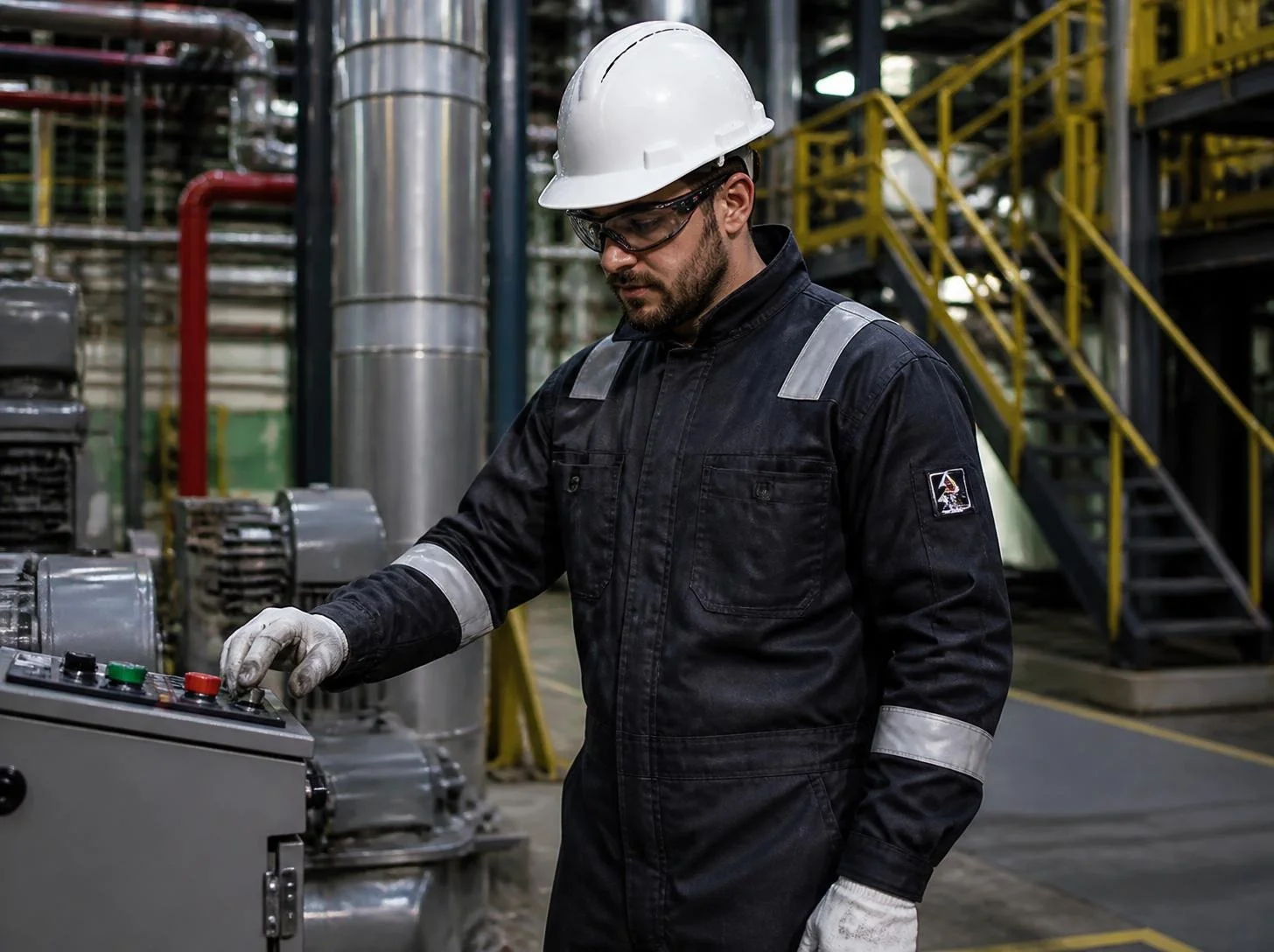
A safety uniform designed for flame resistance is protective clothing made from specialized fabrics that help reduce burn injuries when workers are exposed to heat, flames, or electric arc hazards.
Unlike ordinary clothing, flame-resistant garments are engineered to slow the spread of fire and reduce heat transfer to the wearer’s skin. A professional safety uniform supplier offers garments that meet industry safety standards and are suitable for different workplace risks.
The purpose of these uniforms is not to make workers fireproof. Instead, they provide valuable extra seconds for employees to escape dangerous situations safely.
Safety Uniform Supplier: Why Do Some Fabrics Resist Fire?
Many people believe flame-resistant clothing is coated with a chemical, but the science is much more advanced.
A reliable safety uniform supplier understands that some fibers naturally resist flames because of their molecular structure, while others receive specialized flame-resistant treatments during manufacturing.
When exposed to heat, flame-resistant fabrics behave differently from ordinary fabrics. Instead of melting or spreading flames quickly, many flame-resistant fibers:
- Form a protective carbon layer.
- Slow heat transfer.
- Reduce flame spread.
- Help protect the skin underneath.
This scientific behavior is what makes a professional safety uniform much safer than standard work clothing.
Safety Uniform: What Happens When Ordinary Clothing Catches Fire?
Understanding normal fabric behavior helps explain why flame-resistant clothing is important.
A regular cotton or polyester shirt may:
- Ignite quickly.
- Continue burning after the flame source is removed.
- Melt onto the skin.
- Increase burn severity.
By comparison, a properly designed safety uniform reacts differently. Many flame-resistant fabrics self-extinguish once the ignition source disappears, greatly reducing the severity of potential injuries.
check giveaways
Safety Uniform Supplier: What Is the Difference Between Inherent and Treated Flame-Resistant Fabrics?
One of the most common questions customers ask a safety uniform supplier is whether they should choose inherent or treated flame-resistant (FR) fabrics. Both options provide protection, but they differ in how they achieve flame resistance, their durability, and their long-term performance.
| Feature | Inherent Flame-Resistant Fabrics | Treated Flame-Resistant Fabrics |
|---|---|---|
| How Flame Resistance Is Created | Flame-resistant properties are built into the fibers during manufacturing. | Flame-resistant chemicals are applied to the fabric after it is produced. |
| Durability | Excellent long-term durability. | Good durability with proper care and maintenance. |
| Protection Over Time | Maintains protection throughout the garment’s lifespan. | Protection may decrease over time if washing and care instructions are not followed. |
| Performance Consistency | Consistent flame-resistant performance throughout the life of the garment. | Performance depends on proper maintenance and the type of treatment used. |
| Initial Cost | Higher upfront investment. | Lower initial purchase cost. |
| Material Availability | Available in selected specialized fabrics. | Widely available in various fabric types and garment styles. |
| Best For | High-risk industries requiring long-term, reliable protection. | Workplaces that need cost-effective flame-resistant clothing with proper maintenance. |
Ultimately, the right choice depends on the specific workplace hazards, industry standards, garment maintenance practices, and operational requirements. A trusted safety uniform supplier can help businesses evaluate these factors and recommend the most suitable flame-resistant clothing for their work environment.
Safety Uniform: Why Does Carbonization Protect Workers?
One of the most interesting scientific features of a flame-resistant safety uniform is carbonization. When exposed to intense heat, some flame-resistant fibers create a carbon layer called “char.”
This carbon layer acts like a temporary shield by:
- Slowing heat transfer.
- Reducing oxygen exposure.
- Helping prevent flames from spreading.
- Protecting underlying fabric layers.
Ordinary fabrics usually burn away completely, while flame-resistant materials create this protective barrier.
Safety Uniform Supplier: How Does Heat Transfer Affect Worker Safety?
Heat reaches the body in several ways:
- Direct contact
- Radiation
- Convection
- Hot gases
A professional safety uniform supplier selects fabrics designed to reduce these forms of heat transfer.
The goal is not simply stopping flames but slowing the amount of heat reaching the skin. Even a small reduction in heat transfer may significantly decrease burn severity.
Safety Uniform: Why Is Fabric Weight Important?
Many people assume thicker clothing automatically provides better protection. That is not always true.
A high-quality safety uniform balances:
- Protection
- Comfort
- Breathability
- Durability
- Worker mobility
Very heavy fabrics may improve insulation but reduce employee comfort during long shifts.
Modern textile engineering focuses on achieving high protection without unnecessary weight.
Safety Uniform Supplier: Which Industries Need Flame-Resistant Uniforms?
A trusted safety uniform supplier commonly provides flame-resistant clothing for:
- Oil and gas facilities
- Petrochemical plants
- Electrical contractors
- Power generation stations
- Steel manufacturing
- Welding workshops
- Mining operations
- Heavy engineering companies
- Chemical processing plants
Each industry faces different thermal hazards, so clothing should always match the specific workplace risks.
Safety Uniform: How Is Flame Resistance Tested?
Before reaching the market, a professional safety uniform undergoes laboratory testing.
Common tests evaluate:
- Flame spread
- Heat resistance
- Fabric durability
- Thermal insulation
- Ignition behavior
- After-flame time
These tests help manufacturers confirm that garments perform as expected under controlled conditions. Workers should never assume that ordinary clothing offers the same level of protection.
Safety Uniform Supplier: Why Should Flame-Resistant Clothing Be Part of a Complete Safety Program?
Protective clothing works best when combined with other workplace safety measures.
For example, many industrial facilities integrate flame-resistant clothing with lockout and tagout procedures during maintenance work. Isolating hazardous energy sources while employees wear protective clothing significantly reduces workplace risks.
A complete safety strategy always combines multiple protective systems rather than relying on a single solution.
Safety Uniform: Which Fibers Are Used to Make Flame-Resistant Clothing?
Not all flame-resistant clothing is made from the same material. A high-quality safety uniform is usually manufactured using fibers selected for their ability to perform under specific workplace conditions.
Some of the most common flame-resistant fibers include:
- Aramid fibers
- Modacrylic fibers
- Flame-resistant cotton
- FR cotton blends
- High-performance synthetic fibers
Each fiber offers different advantages. Some provide better heat resistance, while others focus on comfort, durability, or moisture management.
A professional safety uniform supplier helps businesses choose the right fabric based on actual workplace hazards rather than appearance or price.
Safety Uniform Supplier: Why Are Aramid Fibers So Popular?
Aramid fibers are among the most advanced materials used in protective clothing.
A trusted safety uniform supplier often recommends aramid-based garments for workers exposed to intense heat or flash fire hazards.
Aramid fibers are known for:
- High heat resistance
- Excellent strength
- Low weight
- Long service life
- Stable performance after repeated washing
Unlike ordinary synthetic fibers, aramid materials do not melt easily when exposed to high temperatures. This makes them suitable for industries where workers face serious thermal risks.
Safety Uniform: How Does Flame-Resistant Cotton Work?
Many people are surprised to learn that cotton can also become flame-resistant.
A safety uniform made from flame-resistant cotton usually starts as regular cotton fabric that receives a specialized treatment during manufacturing.
The treatment changes how the fabric reacts to heat.
Instead of burning rapidly, treated cotton:
- Slows flame spread
- Produces less heat
- Reduces after-flame time
- Helps protect the wearer
Although treated cotton performs well in many industries, it should always be maintained according to the manufacturer’s instructions to preserve its protective properties.
Safety Uniform Supplier: Why Is Fabric Construction as Important as the Fiber?
The fiber itself is only one part of the equation.
An experienced safety uniform supplier also considers how the fabric is woven and assembled.
For example:
- Fabric density affects heat transfer.
- Stitching quality influences durability.
- Layer construction changes insulation performance.
- Seam design affects garment strength.
Two uniforms made from the same fiber can perform differently because of the way they are manufactured.
Good engineering is just as important as good material selection.
Safety Uniform: How Does Air Trapped Inside the Fabric Improve Protection?
One interesting scientific principle behind a safety uniform is that air itself acts as an insulator.
Tiny pockets of air trapped between fabric layers help slow the transfer of heat. This is why some protective garments use multiple layers instead of one thick fabric.
The trapped air creates additional thermal insulation without making the garment excessively heavy. This principle is also used in many cold-weather protective garments.
Safety Uniform Supplier: Why Is Moisture Management Important?
Heat is not the only challenge workers face.
Many employees work long shifts in hot industrial environments. A reliable safety uniform supplier understands that moisture management is essential because sweat affects worker comfort and concentration.
Modern flame-resistant fabrics often include technologies that:
- Move sweat away from the skin
- Improve airflow
- Increase comfort
- Reduce overheating
- Help garments dry more quickly
Comfort is important because workers are more likely to wear protective clothing correctly throughout the day.
Safety Uniform: Can Flame-Resistant Clothing Lose Its Protective Properties?
Yes, but it depends on the fabric type and how the garment is maintained.
A safety uniform should be inspected regularly for:
- Torn fabric
- Burn damage
- Excessive wear
- Broken seams
- Chemical contamination
Improper washing, unauthorized repairs, or severe damage may reduce the garment’s effectiveness. Following the manufacturer’s care instructions helps maintain both safety and durability.
Safety Uniform Supplier: Why Is Proper Fit Important for Protection?
A garment that fits poorly cannot provide the level of protection it was designed to deliver.
A professional safety uniform supplier helps businesses select the correct sizes for every employee.
- Clothing that is too tight may restrict movement and reduce the insulating air layer between the garment and the skin.
- Clothing that is too loose may create unnecessary snagging hazards around machinery.
A properly fitted uniform provides a better balance between protection and comfort.
Safety Uniform: Why Do Flame-Resistant Uniforms Work Better with Other PPE?
Protective clothing is only one part of workplace safety.
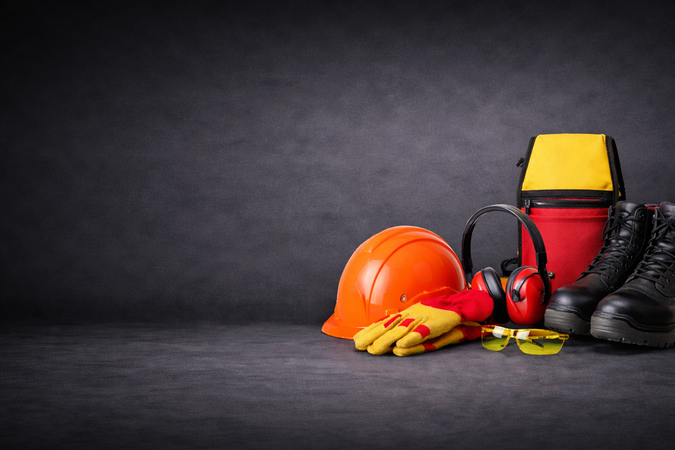
Many companies combine a safety uniform with safety shoes, helmets, gloves, eye protection, and respiratory protection depending on the work environment.
Each piece of equipment protects against a different type of hazard.
For example, flame-resistant clothing protects against heat, while safety footwear protects workers from impact, punctures, and slipping hazards. Using multiple layers of protection creates a stronger overall safety program.
Safety Uniform Supplier: Why Is Worker Training Just as Important as the Uniform?
Even the best clothing cannot protect employees if it is used incorrectly.
A responsible safety uniform supplier often advises companies to train workers on:
- When to wear flame-resistant clothing
- How to inspect garments
- Proper washing procedures
- Storage recommendations
- When to replace damaged uniforms
Training helps employees understand why protective clothing matters instead of viewing it as simply another workplace rule.
Safety Uniform: What Is the Difference Between Flash Fire and Arc Flash Protection?
Many people think all heat hazards are the same, but they are not. A safety uniform designed for one hazard may not provide the same level of protection against another.
Flash Fire
A flash fire is a sudden fire that spreads rapidly through flammable gases or vapors. It usually lasts only a few seconds but produces extremely high temperatures.
Industries that face flash fire risks include:
- Oil and gas
- Petrochemical plants
- Chemical manufacturing
- Fuel storage facilities
Arc Flash
An arc flash is an electrical explosion caused by a fault in energized electrical equipment. It generates intense heat, light, and pressure within a fraction of a second.
Workers performing electrical maintenance require a safety uniform supplier that understands arc-rated clothing and electrical protection standards. Although both hazards involve extreme heat, they require different testing methods and protective clothing.
Safety Uniform Supplier: Why Is Thermal Insulation So Important?
The purpose of thermal insulation is not to stop heat completely. Instead, it slows the speed at which heat reaches the skin.
A professional safety uniform supplier selects fabrics that create a protective barrier between the heat source and the worker.
Good thermal insulation helps by:
- Delaying heat transfer
- Reducing burn severity
- Giving workers more time to escape
- Improving survival during short-term exposure
This extra protection can make a significant difference during workplace emergencies.
Safety Uniform: Why Are Some Flame-Resistant Uniforms Lighter Than Others?
Many people assume heavier clothing always provides better protection.
Modern textile engineering has changed that.
A high-quality safety uniform uses advanced fibers that provide excellent thermal performance without adding unnecessary weight.
Lighter garments offer several advantages:
- Better mobility
- Less fatigue
- Improved comfort
- Increased productivity
- Better airflow
The best protective clothing balances safety and comfort rather than maximizing thickness.
Safety Uniform Supplier: Why Does Garment Design Matter?
Protective performance depends on more than fabric alone.
A trusted safety uniform supplier also evaluates the garment’s overall design.
Important design features include:
- Reinforced seams
- Durable stitching
- Secure closures
- Covered metal components
- Ergonomic fit
- Reinforced knees and elbows where required
A well-designed garment performs more consistently throughout its service life than one made with poor construction techniques.
Safety Uniform: What Are the Most Common Myths About Flame-Resistant Clothing?
Several myths still exist about flame-resistant workwear.
Myth 1: Flame-resistant clothing cannot burn.
Reality: A safety uniform may still be exposed to fire, but it is designed to reduce flame spread and limit heat transfer.
Myth 2: Flame-resistant clothing lasts forever.
Reality: Protective garments should be inspected regularly and replaced when damaged.
Myth 3: Every flame-resistant fabric performs the same.
Reality: Different fibers provide different levels of protection, comfort, durability, and heat resistance.
Understanding these differences helps businesses choose more suitable protective clothing.
Safety Uniform Supplier: Which Industries Require Flame-Resistant Clothing?
Many industries rely on specialized flame-resistant garments every day.
A professional safety uniform supplier commonly serves:
- Oil and gas facilities
- Petrochemical plants
- Electrical utilities
- Mining operations
- Steel manufacturing
- Welding workshops
- Heavy engineering companies
- Energy generation facilities
- Chemical processing plants
Each industry has unique hazards, so clothing should always match the actual work environment.
Safety Uniform: Why Is Layering Important?
Protective clothing sometimes works better when used in layers.
A safety uniform may include:
- Base layer
- Protective shirt
- Protective trousers
- Jacket
- Additional weather protection if required
Each layer contributes to thermal insulation while helping workers adapt to changing environmental conditions.
However, layering should always follow the manufacturer’s recommendations to avoid reducing garment performance.
Safety Uniform Supplier: How Do International Safety Standards Help Businesses?
Safety standards help companies compare products using recognized testing methods.
A responsible safety uniform supplier offers garments manufactured to internationally accepted performance requirements.
Although different industries follow different standards, the overall purpose remains the same:
- Improve worker safety
- Reduce workplace injuries
- Verify product performance
- Support regulatory compliance
Businesses should always confirm that protective clothing is appropriate for the hazards employees actually face.
Safety Uniform: Why Is Electrical Safety Different from Fire Safety?
Electrical hazards require additional protective measures.
For example, electrical maintenance teams often use an insulating mat electrical near energized equipment to reduce electrical risks while wearing protective clothing.
Although a safety uniform helps reduce thermal injuries, electrical work usually requires a complete safety system that includes insulated equipment, safe procedures, and proper training.
Combining multiple protective measures creates a safer working environment than relying on clothing alone.
Safety Uniform Supplier: How Does AMAN Help Businesses Choose the Right Protective Clothing?
Choosing the correct protective clothing is not simply about selecting a catalog product.
Founded in 2006 in Cairo, Egypt, AMAN focuses on protecting lives and reducing workplace risks by providing customized industrial safety solutions.
By working closely with customers and leading international manufacturers, AMAN helps businesses select the most appropriate safety uniform based on:
- Industry type
- Workplace hazards
- Employee tasks
- Environmental conditions
- Safety requirements
Whether the project involves an oil refinery, manufacturing plant, engineering company, or power station, AMAN provides practical recommendations that support long-term workplace safety.
Safety Uniform: Why Does Scientific Testing Matter Before a Uniform Reaches Workers?
Every safety uniform should be tested before it is used in real working environments. Scientific testing helps manufacturers understand how fabrics react when exposed to flames, heat, sparks, and mechanical stress.
Laboratories evaluate several factors, including:
- Flame spread
- Heat transfer
- Fabric strength
- Seam durability
- Dimensional stability after washing
- Comfort during movement
These tests help ensure that protective clothing performs consistently instead of relying on assumptions.
A professional safety uniform supplier only recommends products that have been tested for their intended application.
Safety Uniform Supplier: How Is Flame-Resistant Technology Improving?
Protective clothing continues to evolve every year.
A modern safety uniform supplier now has access to advanced textile technologies that improve both protection and comfort.
Current innovations include:
- Lighter flame-resistant fibers
- Better moisture management
- Stronger abrasion resistance
- Improved flexibility
- Longer garment life
- Enhanced breathability
Instead of choosing between comfort and protection, many modern fabrics successfully provide both.
Safety Uniform: How Should Flame-Resistant Clothing Be Stored?
Proper storage helps maintain the performance of a safety uniform throughout its service life.
Recommended practices include:
- Store garments in a clean, dry place.
- Avoid direct sunlight for long periods.
- Keep clothing away from strong chemicals.
- Do not store wet garments.
- Inspect clothing before each use.
Good storage practices help reduce unnecessary wear and extend the useful life of protective clothing.
Safety Uniform Supplier: When Should Flame-Resistant Clothing Be Replaced?
Even high-quality garments eventually reach the end of their service life.
A safety uniform supplier usually recommends replacement if the clothing shows:
- Burn damage
- Large tears
- Broken seams
- Heavy fabric wear
- Permanent chemical contamination
- Missing fasteners that affect protection
Regular inspections are just as important as selecting the right garment. Replacing damaged clothing early helps maintain workplace safety.
Safety Uniform: How Does Flame-Resistant Clothing Fit into a Complete PPE Program?
A safety uniform is one layer of protection within a complete personal protective equipment program.
Depending on the workplace, employees may also require:
- Helmets
- Eye protection
- Hearing protection
- Respiratory protection
- Gloves
Many industrial facilities also combine flame-resistant clothing with fire retardant workwear programs that establish clothing requirements for different job roles and risk levels.
Using several protective measures together provides stronger overall protection than relying on a single product.
Safety Uniform Supplier: Why Is Emergency Preparedness Still Necessary?
Even when workers wear protective clothing, emergencies can still happen.
For this reason, many companies place a first aid box in easily accessible locations throughout the workplace so trained employees can respond quickly to minor injuries while waiting for professional medical assistance.
A responsible safety uniform supplier often reminds customers that protective clothing reduces risk but does not eliminate the need for emergency planning, training, and first aid readiness.
Safety Uniform: Why Do Companies Trust AMAN?
Choosing the right safety uniform requires technical knowledge, practical experience, and an understanding of workplace hazards.
Founded in 2006 in Cairo, Egypt, AMAN is dedicated to protecting lives and minimizing workplace risks. By working closely with customers and leading international manufacturers, AMAN designs tailored safety solutions that meet the daily needs of factories, engineering companies, energy facilities, oil and gas operations, electrical contractors, manufacturing plants, and many other industries.
AMAN understands the financial challenges businesses face while maintaining safe working environments. That is why every recommendation focuses on reducing accidents, improving operational safety, and lowering long-term safety costs through reliable products and expert technical support.
Whether a business requires flame-resistant clothing, industrial PPE, or complete workplace safety solutions, AMAN helps customers select products that match their actual operational risks instead of offering one standard solution for every application.
Understanding the science behind a safety uniform helps businesses make informed decisions instead of choosing protective clothing based only on appearance or price.
Flame-resistant fibers, advanced textile engineering, thermal insulation, and scientific testing all work together to reduce heat transfer and improve worker protection during hazardous situations.
Working with an experienced safety uniform supplier ensures that companies receive clothing suitable for their industry, workplace hazards, and safety requirements.
People Also Ask About Safety Uniform and Safety Uniform Supplier
Safety Uniform: What is the purpose of a flame-resistant safety uniform?
A safety uniform is designed to reduce burn injuries by slowing flame spread and limiting heat transfer when workers are exposed to fire, sparks, or high temperatures.
Safety Uniform Supplier: How do I choose the right safety uniform supplier?
A reliable safety uniform supplier should offer certified products, industry experience, technical support, and protective clothing that matches your workplace hazards rather than providing a one-size-fits-all solution.
Safety Uniform: Which industries require flame-resistant safety uniforms?
Industries that commonly use a safety uniform include oil and gas, petrochemical, electrical maintenance, mining, welding, steel manufacturing, power generation, and heavy engineering.
Safety Uniform Supplier: What is the difference between inherent and treated flame-resistant fabrics?
An experienced safety uniform supplier explains that inherent fabrics have flame-resistant properties built into the fibers, while treated fabrics receive protective treatments after manufacturing. Both can provide effective protection when selected for the correct application.
Safety Uniform: How long does a flame-resistant safety uniform last?
The lifespan of a safety uniform depends on fabric type, working conditions, washing methods, and regular inspections. Garments should be replaced whenever they become damaged or no longer provide the required protection.
Safety Uniform Supplier: Why is proper garment fit important?
A professional safety uniform supplier recommends properly fitted clothing because garments that are too tight or too loose may reduce comfort, mobility, and protective performance.
Safety Uniform: Can flame-resistant clothing melt?
A properly designed safety uniform uses specialized materials that are engineered to resist melting and reduce flame spread, unlike many ordinary synthetic fabrics.
Safety Uniform Supplier: What should companies consider before buying flame-resistant uniforms?
Before purchasing from a safety uniform supplier, companies should evaluate workplace hazards, industry requirements, employee tasks, environmental conditions, and applicable safety standards.
Safety Uniform: Does flame-resistant clothing require special care?
Yes. A safety uniform should be washed, stored, and inspected according to the manufacturer’s instructions to maintain its protective performance throughout its service life.
Safety Uniform Supplier: Why do businesses choose AMAN?
Businesses choose AMAN because of its long experience in industrial safety, customized workplace solutions, high-quality products, and expert technical support that helps organizations build safer working environments.