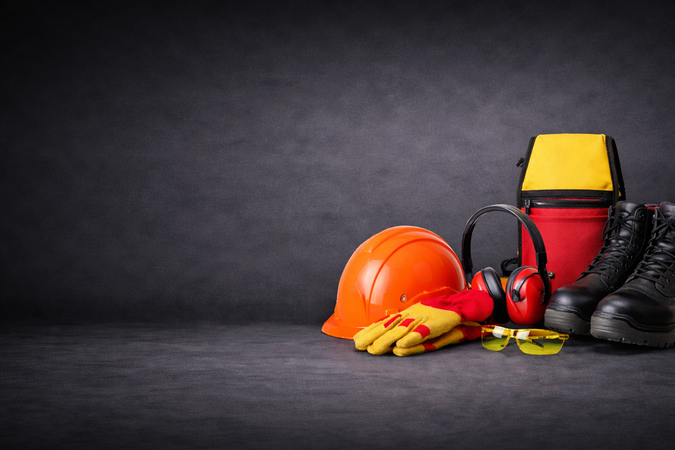
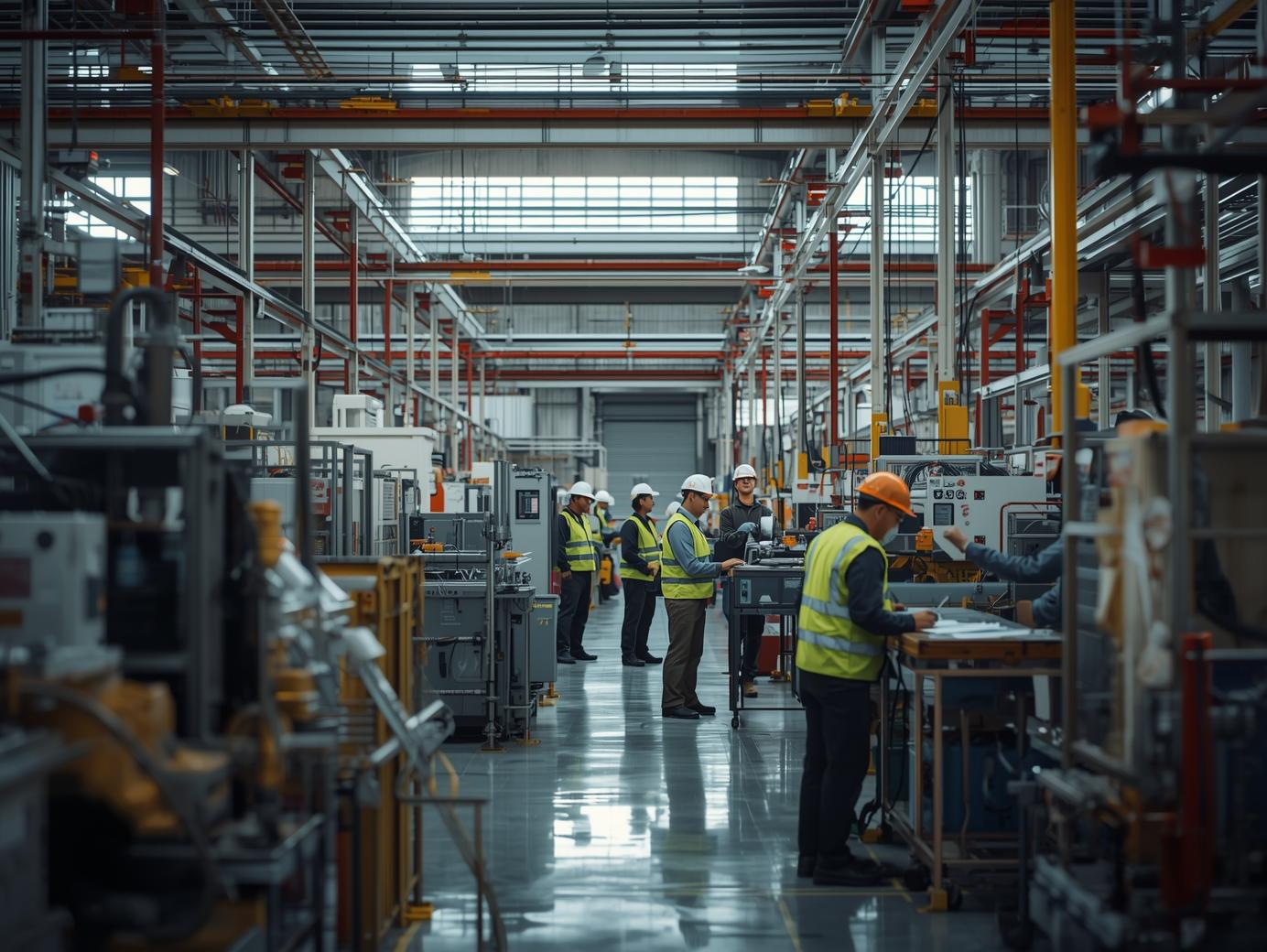
In industrial workplaces, safety equipment is not just a product, it is protection for human life. When companies look for solutions such as insulating mat to protect workers from electrical shock, proper lockout tagout systems to stop machines during maintenance, and reliable spill control equipment to handle dangerous leaks, the difference between cheap products and certified products becomes very clear. Choosing the wrong product may save money today, but it can cost lives and cause big losses tomorrow. This article explains in simple English the real difference between cheap and certified safety products and why companies must choose quality over price.
What Is Industrial Safety?
Industrial safety means protecting workers, equipment, and buildings from accidents and hazards. Every factory, warehouse, construction site, and oil facility has risks. These risks include:
Why Do Some Companies Choose Cheap Safety Products?
Some companies choose low-cost safety products for several reasons—but these decisions can carry serious risks.
1. They Want to Reduce Costs
Budget pressure is one of the main reasons. Companies may try to lower expenses by purchasing cheaper PPE or safety equipment, especially when managing large teams or multiple sites. However, the short-term savings can lead to much higher long-term costs if accidents occur.
2. They Do Not Fully Understand the Risks
In some cases, decision-makers underestimate workplace hazards or assume incidents are unlikely to happen. Without a proper risk assessment, safety equipment may be viewed as a routine purchase rather than a critical protection measure.
3. They Think All Products Are the Same
Not all safety products offer the same level of protection. Certified, high-quality equipment undergoes strict testing and meets safety standards. Cheaper alternatives may look similar but lack proper certification, durability, or performance reliability.
4. They Focus Only on Price
When purchasing decisions are based only on price comparisons, important factors such as product lifespan, compliance, comfort, and effectiveness may be ignored. This approach can create a false sense of savings.
The Hidden Danger of Cheap Safety Equipment
In safety management, low cost can mean low protection. Poor-quality helmets may crack under impact. Inferior gloves may tear easily. Uncertified respirators may fail to filter harmful particles. When safety equipment fails, the consequences can include serious injuries, legal penalties, operational downtime, and reputational damage.
Investing in reliable, certified safety products is not an expense—it is a long-term investment in worker protection, business continuity, and company credibility. In workplace safety, quality should always come before price.
The Real Difference Between Cheap and Certified Products
1. Material Quality
Cheap products are often made from low quality materials. They break or wear out quickly.
Certified products are made from strong, tested materials that can handle tough work conditions.
2. Testing and Certification
Cheap products may not pass safety tests. Some may not have real certificates.
Certified products are tested under strict international standards. They carry approved safety certifications.
3. Performance in Emergencies
Cheap products may fail when you need them most.
Certified products are designed to work correctly during real accidents.
4. Long-Term Cost
Cheap products may look less expensive, but they need replacement often.
Certified products last longer and reduce replacement costs.
Insulating Mat and Electrical Protection
Electrical accidents are among the most dangerous workplace incidents. Even a brief exposure to high voltage can result in severe burns, cardiac arrest, permanent injury, or death. For this reason, workers who operate near electrical panels, switchgear, transformers, or high-voltage equipment must use proper protective measures—including high-quality insulating mats.
Why Insulating Mats Are Important
An insulating mat acts as a barrier between the worker and the ground. It reduces the risk of electrical current passing through the body in case of accidental contact or equipment failure. When placed in front of electrical panels, these mats provide an additional layer of protection against electric shock.
Risks of Cheap Insulating Mats
Low-quality or uncertified insulating mats can create a false sense of security. They may:
-
Crack or deteriorate quickly under pressure or environmental conditions
-
Lose their insulation strength over time
-
Fail when exposed to high voltage
-
Lack proper testing and certification
If an insulating mat fails during an electrical fault, the consequences can be catastrophic.
Benefits of Certified Insulating Mats
Certified electrical insulating mats are specifically designed for high-risk environments. They:
-
Withstand high voltage levels
-
Comply with recognized safety standards
-
Undergo strict electrical resistance testing
-
Provide long-term durability and reliable performance
These mats are manufactured using specialized rubber compounds that maintain insulation properties even under demanding industrial conditions.
find a online book store
Lockout Tagout Systems and Machine Safety
In industrial settings, machines and equipment must be completely powered off before maintenance, repair, or cleaning. lockout tagout (LOTO) systems are essential to prevent accidental startup, which can lead to serious injuries or fatalities.
Risks of Cheap Lockout Tagout Systems
Low-quality or uncertified LOTO systems may:
-
Break easily under stress
-
Fail to secure machines properly
-
Have weak, unclear, or worn warning labels
Using unreliable systems can result in machines starting unexpectedly while a worker is performing maintenance—a scenario that can be fatal.
Advantages of Certified Lockout Tagout Systems
Certified LOTO systems are specifically designed to ensure maximum safety. They:
-
Use strong, durable locks that withstand industrial conditions
-
Include highly visible and clear warning tags
-
Resist heat, chemicals, and environmental wear
-
Comply with international safety regulations
Why Certification Matters
When repairing or servicing machinery, there is no margin for error. A properly certified lockout tagout system ensures that equipment stays off, hazards are clearly communicated, and workers remain protected. Investing in certified LOTO systems is not just a compliance requirement—it is a critical step in preventing accidents and saving lives.
Spill Control Equipment and Chemical Safety
Chemical spills are a common hazard in factories, warehouses, and industrial facilities. Even a small leak of corrosive, flammable, or toxic liquids can put workers, the environment, and equipment at risk. Proper spill control equipment is essential to quickly contain and manage hazardous materials.
Risks of Cheap Spill Control Equipment
Low-quality or uncertified spill kits may:
-
Absorb liquids slowly, allowing the spill to spread
-
Tear or break during use, reducing effectiveness
-
Fail to fully contain the spill, leaving dangerous residues
Using inadequate spill control tools increases the risk of injuries, chemical burns, slips, and environmental contamination.
Features of Certified Spill Control Equipment
High-quality, certified spill control solutions are designed for maximum efficiency and safety. They include:
-
Absorbent pads: Quickly soak up hazardous liquids
-
Spill containment booms: Prevent liquids from spreading across floors or drains
-
Emergency spill kits: Ready-to-use kits with all necessary materials for rapid response
-
Chemical-resistant materials: Durable products that withstand acids, bases, oils, and solvents
Importance of Fast Spill Response
Rapid containment and cleanup of chemical spills protects workers from direct exposure, prevents environmental contamination, and reduces damage to machinery and infrastructure. Investing in certified spill control equipment is a critical part of any chemical safety program in industrial facilities.
Other Important Certified Safety Products
Industrial safety includes many other products that must be certified.
Personal Protective Equipment (PPE)
-
Safety helmets
-
Safety glasses
-
Face shields
-
Cut resistant gloves
-
Safety shoes
Certified PPE provides real protection against impact, chemicals, heat, and sharp objects.
Fire Protection Systems
Gas Detection Devices
In industrial environments where flammable, toxic, or asphyxiant gases may be present, gas detection devices are essential for worker safety. These systems monitor air quality and provide early warnings before gas concentrations reach dangerous levels.
Types of Gas Detection Devices
1. Portable Gas Detectors
-
Lightweight, handheld devices that workers can carry
-
Detect gases such as carbon monoxide, hydrogen sulfide, or combustible gases
-
Provide real-time alerts through alarms, lights, or vibrations
2. Fixed Gas Monitoring Systems
-
Permanently installed in high-risk areas such as chemical plants, refineries, or storage tanks
-
Continuously monitor gas concentrations and trigger alarms when thresholds are exceeded
-
Can be integrated with ventilation or shutdown systems for automated safety response
Importance of Gas Detection
By alerting workers early, gas detection devices prevent exposure, reduce the risk of explosions or poisoning, and protect lives. Properly selected and maintained gas detectors are a critical component of any industrial safety program.
First Aid and Emergency Equipment
The Financial Impact of Cheap Safety Products
Some companies think they save money by buying cheap products. But the hidden costs are high.
Possible losses include:
Safety Standards and Legal Requirements
Many countries require companies to use certified safety equipment. Using non-certified products may lead to:
How Certified Products Improve Company Reputation
When a company invests in certified safety products:
-
Workers feel safe
-
Clients trust the company
-
The company shows responsibility
-
Productivity increases
Safety builds trust inside and outside the company.
How to Choose the Right Safety Supplier
Choosing the right supplier is very important. Look for:
FAQ – Frequently Asked Questions About Industrial Safety
1. What is industrial safety?
Industrial safety refers to protecting workers, equipment, and workplaces from accidents, hazards, and unsafe conditions in industrial environments.
2. Why are certified safety products important?
Certified products are tested and approved to meet recognized safety standards. They provide reliable and proven protection for workers and equipment.
3. What is the risk of using cheap safety products?
Low-quality products may fail during emergencies, increasing the risk of injuries, accidents, and even fatalities.
4. Are certified products more expensive?
They may have a higher upfront cost, but they reduce accidents, downtime, medical expenses, and legal risks, saving money in the long term.
5. What is an insulating mat used for?
Insulating mats protect workers from electrical shock when working near live electrical panels or high-voltage equipment.
6. Why should insulating mats be certified?
Certified mats are tested for specific voltage levels, durability, and insulation performance, ensuring reliable protection.
7. What is lockout tagout (LOTO)?
Lockout tagout is a safety procedure that prevents machines from starting while maintenance or repairs are being performed.
8. Why is lockout tagout important in factories?
LOTO prevents accidental machine startup, protecting workers from severe injuries caused by moving parts.
9. What is spill control equipment?
Spill control equipment includes absorbent pads, containment booms, and emergency kits used to contain and clean chemical or liquid spills.
10. Why is spill control equipment necessary?
It prevents the spread of hazardous liquids, protecting workers, equipment, and the environment from harm.
11. How can certified products reduce company costs?
They minimize accidents, medical expenses, legal fines, and downtime, providing long-term financial benefits.
12. Do certified products last longer than cheap products?
Yes, they are made from durable, high-quality materials and are designed for long-term use.
13. What industries need certified safety equipment?
Industries such as construction, oil and gas, manufacturing, warehouses, chemical plants, and power stations require certified safety products.
14. How can a company check if a product is certified?
By reviewing official certificates, compliance labels, and product documentation provided by trusted suppliers.
15. Can using non-certified products cause legal problems?
Yes. Companies may face fines, failed inspections, or insurance issues if safety equipment is not certified.
16. What are examples of certified PPE?
Safety helmets, gloves, safety shoes, safety glasses, face shields, ear protection, and respiratory equipment.
17. How often should safety equipment be inspected?
Safety equipment should be inspected regularly and before each use whenever possible to ensure it remains functional and safe.
18. What is the role of a safety supplier?
A safety supplier provides certified products, expert guidance, and customized safety solutions to help companies maintain a safe workplace.
AMAN Industrial Safety Solutions
Founded in 2006 in Cairo, Egypt, AMAN is focused on protecting lives and minimizing the risks of accidents. By working closely with customers and leading manufacturers, AMAN designs tailored safety solutions that meet daily safety needs.
AMAN understands the financial pressure of running a business while keeping workers safe. That is why AMAN focuses on reducing total safety costs by providing high quality certified safety products.
The AMAN team is friendly, knowledgeable, and ready to help customers in person, by phone, or online. They help companies choose the right products for every risk.
At AMAN, where we put People first, your safety is our concern.
Why Choose AMAN?
Choosing AMAN means choosing a trusted partner for complete industrial safety solutions.
-
Experience Since 2006 – Over 15 years of expertise in protecting industrial workplaces across Egypt.
-
Certified High-Quality Products – All equipment meets international safety standards for reliable protection.
-
Comprehensive Industrial Safety Solutions – From PPE and fire safety systems to lockout tagout, spill control, and electrical protection.
-
Expert Technical Support – Knowledgeable team ready to provide guidance, installation support, and training.
-
Cost-Effective Long-Term Protection – Investing in certified solutions reduces accidents, downtime, and operational losses.
-
Strong Reputation in Egypt – Trusted by factories, warehouses, and industrial facilities nationwide.
AMAN does more than sell products—it provides complete safety solutions that protect workers, ensure compliance, and minimize business risks.