
Blog
Egypt Renewable Energy Guide: Industrial Safety in Solar and Wind Plants

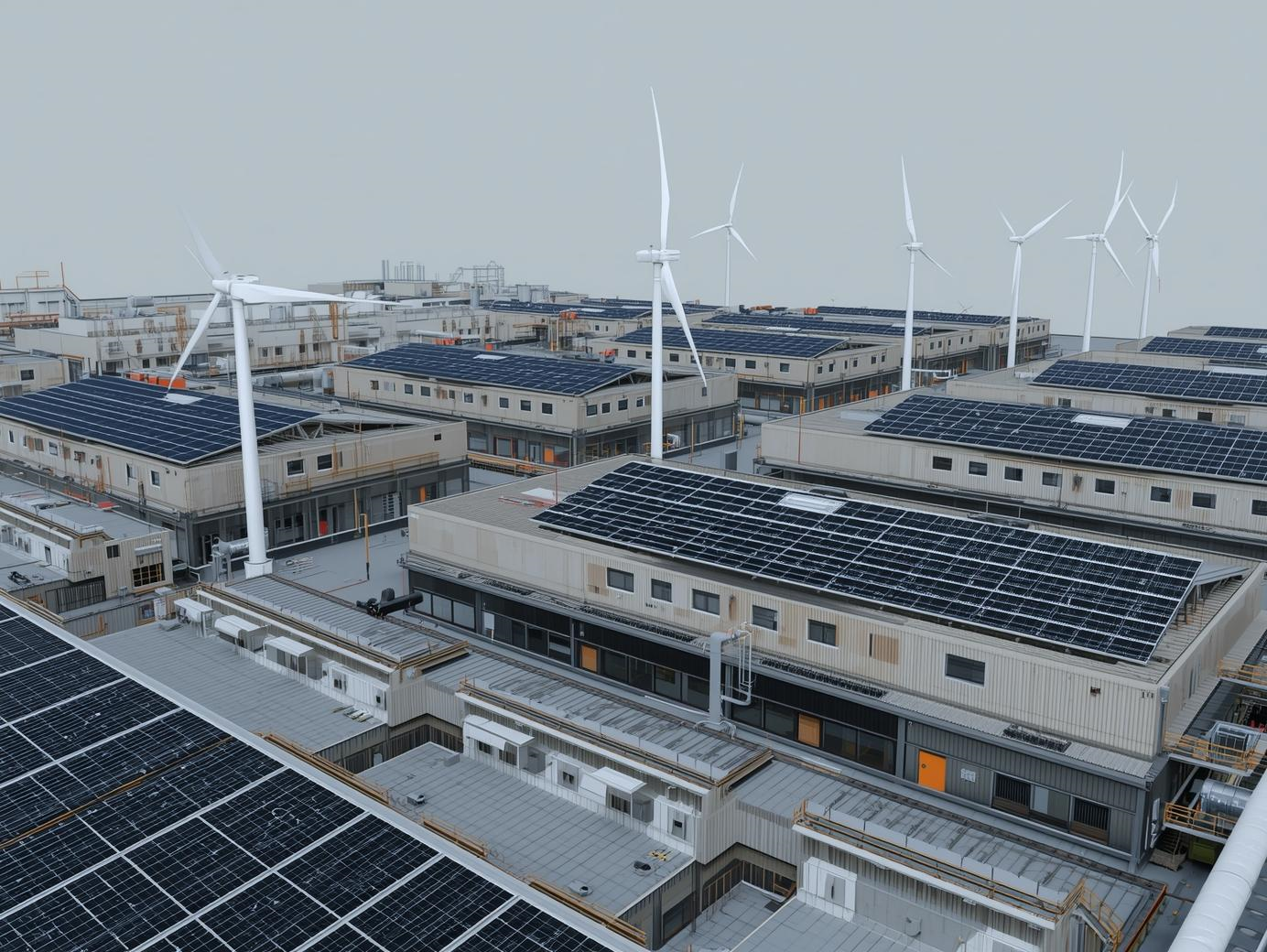
Renewable energy is changing the world. Solar farms, wind turbines, and clean power stations are growing fast in Egypt and across the region. But while renewable energy protects the environment, it also creates new industrial risks that must be managed carefully. In solar plants and wind energy stations, workers still need strong safety systems such as a First Aid Box Metal for emergency response, a properly installed safety shower in battery and chemical storage areas, and even an entrance floor mat to reduce slips in control rooms and electrical stations. Renewable energy is clean, but safety must always come first. we will explain renewable energy and shows how safety solutions are essential for every renewable energy project.
Renewable energy means energy that comes from natural sources that do not run out. These sources are clean and help reduce pollution. But every industrial activity, even green energy production, has hazards that must be controlled.
What Is Renewable Energy?
Renewable energy is energy produced from natural sources that can be replaced naturally. These include:
-
Solar energy
-
Wind energy
-
Hydropower
-
Biomass energy
-
Geothermal energy
Unlike fossil fuels, renewable sources do not produce high levels of harmful emissions.
Types of Renewable Energy
Solar Energy
Solar panels convert sunlight into electricity.
Solar farms require:
-
Large panel installations
-
Electrical inverters
-
Battery storage systems
Electrical safety is critical in solar power plants.
Wind Energy
Wind turbines use wind movement to generate power.
Wind farms require:
-
Tall towers
-
Rotating blades
-
Electrical control systems
Workers face height and electrical risks.Fina a online book store egypt
Hydropower
Hydropower uses moving water to create electricity.
This includes dams and water turbines.
Biomass Energy
Biomass uses organic materials such as plant waste.
Geothermal Energy
Geothermal energy uses heat from inside the earth.
Safety Risks in Renewable Energy Projects
Even green energy projects have hazards.
Common risks include:
-
Electrical shock
-
Working at height
-
Fire from battery storage
-
Slips and falls
-
Chemical exposure
-
Heavy equipment operation
Safety planning must be part of every renewable project.
The Importance of First Aid Box Metal in Renewable Sites
Every renewable energy site must have emergency response tools. A First Aid Box Metal is strong, durable, and suitable for industrial environments.
It protects medical supplies from:
-
Dust
-
Heat
-
Moisture
-
Physical damage
First aid boxes should include: -
Bandages
-
Antiseptic
-
Burn treatment
-
Eye wash
-
Gloves
Quick treatment reduces injury severity.
Why Every Renewable Facility Needs a safety shower
Battery storage systems and chemical cleaning solutions are common in renewable plants. Installing a safety shower ensures workers can quickly wash off hazardous chemicals.
A proper safety shower:
-
Provides strong water flow
-
Is installed near chemical areas
-
Is tested regularly
-
Is clearly marked
Immediate washing can prevent serious chemical burns.
How an entrance floor mat Improves Safety
Control rooms and electrical rooms must stay clean and dry. An entrance floor mat reduces water and dust entering from outside.
Benefits include:
-
Reduced slipping risk
-
Cleaner working areas
-
Protection of electrical equipment
-
Improved hygiene
Small safety details make a big difference.
Other Important Safety Products for Renewable Energy
Renewable energy projects such as solar farms, wind turbines, and battery storage systems require strong safety measures. Even though renewable energy is clean, the equipment involved can still create electrical, fire, and mechanical risks. That is why using the right safety products is essential.
Personal Protective Equipment (PPE)
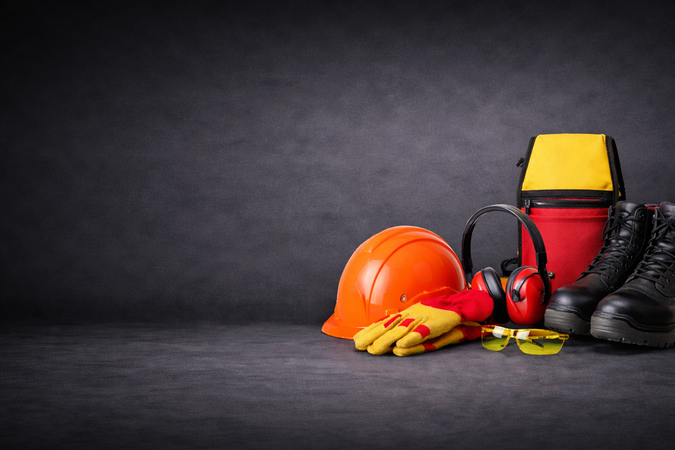
PPE is the first level of protection for workers in renewable energy sites.
Safety Helmets
Protect the head from falling tools or equipment, especially during installation and maintenance of solar panels or wind turbines.
Safety Glasses
Shield the eyes from dust, debris, and sparks during drilling or electrical work.
Face Shields
Provide extra protection when working with batteries, cutting tools, or high-voltage components.
Electrical Insulated Gloves
These gloves protect workers from electric shock when handling cables, panels, or live circuits.
Safety Shoes
Safety shoes protect feet from heavy objects and reduce the risk of slipping on smooth surfaces.
Gas Detection Systems
Battery rooms, especially in energy storage systems, may release harmful gases during charging or malfunction.
Gas detection systems:
-
Monitor air quality continuously
-
Detect toxic or flammable gases
-
Trigger alarms when levels become unsafe
Early detection prevents explosions and health risks.
Fire Protection Systems
Renewable energy systems involve electrical components that may overheat or spark.
Fire Extinguishers
Used to control small electrical or battery fires quickly.
Fire Alarm Panels
Alert workers immediately when fire is detected.
Smoke Detectors
Identify smoke at early stages before flames spread.
Proper fire protection reduces property damage and saves lives.
Lockout Tagout Systems
During maintenance, electrical systems must not start accidentally.
Lockout Tagout (LOTO) systems:
-
Isolate power sources
-
Lock switches in the OFF position
-
Use warning tags to show maintenance is in progress
This prevents serious injuries caused by unexpected power flow.
Insulating Mats
Insulating mats are placed near electrical panels and control boards. They:
-
Reduce the risk of electric shock
-
Provide a safe standing surface for technicians
-
Increase protection during electrical maintenance
Why Renewable Energy Needs Strong Safety Culture ?
Many people believe renewable energy is completely safe because it is clean and environmentally friendly. While it reduces pollution, it does not eliminate workplace risks. Solar panels, wind turbines, batteries, and electrical systems still involve serious hazards.
Clean energy does not mean risk-free energy.
Common Safety Risks in Renewable Energy
Renewable energy projects may include:
-
High voltage electricity
-
Working at heights (wind turbines)
-
Heavy equipment installation
-
Battery storage systems
-
Fire risks from electrical faults
Without proper control, these risks can cause injuries, equipment damage, or downtime.
What Companies Must Do
To build a strong safety culture, companies must take clear and consistent actions.
1. Train Workers
Employees should receive proper training before starting work. Training should include:
-
Electrical safety
-
Emergency response
-
Equipment handling
-
Fire prevention
Well-trained workers make safer decisions.
2. Inspect Equipment
Regular inspection helps detect problems early. Companies should:
-
Check cables and connections
-
Inspect panels and batteries
-
Test alarm systems
-
Maintain protective equipment
Preventive maintenance reduces unexpected failures.
3. Follow Safety Standards
Renewable energy companies must follow national and international safety regulations. These standards provide guidelines for:
-
Installation
-
Maintenance
-
Personal protection
-
Fire control
Compliance ensures legal and operational protection.
4. Perform Risk Assessments
Before starting any project, companies should:
-
Identify possible hazards
-
Evaluate risk levels
-
Apply control measures
Risk assessment helps eliminate dangers before accidents happen.
Working at Height in Wind Energy
Wind energy projects involve working at extreme heights. Wind turbines are very tall structures, and technicians often climb towers to install, inspect, or repair equipment. Because of this, working at height is one of the biggest risks in wind energy.
A fall from a turbine can cause serious injury or death. That is why strict safety measures are required at all times.
Why Height Work Is Risky
When working on wind turbines, workers may face:
-
Strong winds
-
Slippery surfaces
-
Limited space inside towers
-
Fatigue from climbing
-
Weather changes
These factors increase the risk of falling or losing balance.
Essential Safety Measures
To reduce these risks, companies must use proper fall protection systems.
1. Fall Arrest Systems
These systems stop a worker safely if a fall happens. They reduce impact force and prevent serious injury.
2. Safety Harnesses
Workers must wear full-body harnesses when climbing or working at height. The harness connects to safety lines and keeps the worker secured.
3. Lifeline Systems
Lifelines are strong cables or rails installed inside turbine towers. Workers attach their harness to the lifeline while climbing. This ensures continuous protection.
4. Proper Training
Training is just as important as equipment. Workers must learn:
-
How to wear and adjust harnesses
-
How to inspect fall protection gear
-
Emergency rescue procedures
-
Safe climbing techniques
Without training, safety equipment may not be used correctly.
Fire Risk in Battery Storage
Large battery systems can overheat.
Fire protection includes:
-
Fire extinguishers
-
Fire resistant cabinets
-
Alarm systems
-
Safety monitoring
Proper storage reduces risk.
Environmental Protection and Spill Control
Chemical leaks can damage the environment.
Spill control products help contain leaks quickly.
These include:
-
Absorbent pads
-
Spill kits
-
Containment trays
Quick action prevents pollution.
Benefits of Renewable Energy with Strong Safety Systems
Renewable energy projects become truly successful when they combine clean power generation with strong safety systems. Sustainability is not only about protecting the environment, but also about protecting people.
When renewable projects include strong safety systems, they provide multiple long-term benefits.
1. Clean Energy
Renewable energy sources such as solar and wind reduce carbon emissions and decrease dependence on fossil fuels. This helps protect the environment and supports global sustainability goals.
Clean energy improves air quality and supports healthier communities.
2. Worker Protection
Strong safety systems ensure that workers are protected from:
-
Electrical hazards
-
Fire risks
-
Falls from height
-
Equipment accidents
Using proper PPE, training programs, and safety procedures reduces injury risks and improves workplace confidence.
3. Reduced Accidents
When safety systems are part of project planning:
-
Hazards are identified early
-
Preventive measures are applied
-
Emergency systems are ready
This leads to fewer accidents and less downtime. A safe workplace runs more efficiently.
4. Long-Term Cost Savings
Investing in safety may seem costly at first, but it saves money over time by:
-
Reducing medical expenses
-
Preventing equipment damage
-
Avoiding legal penalties
-
Minimizing operational delays
Fewer accidents mean lower financial losses.
5. Better Reputation
Companies that prioritize safety build trust with:
-
Employees
-
Investors
-
Government authorities
-
Customers
A strong safety record improves brand reputation and supports business growth.