
Blog
Gas Detector Sensor Systems for Industrial Safety 2026

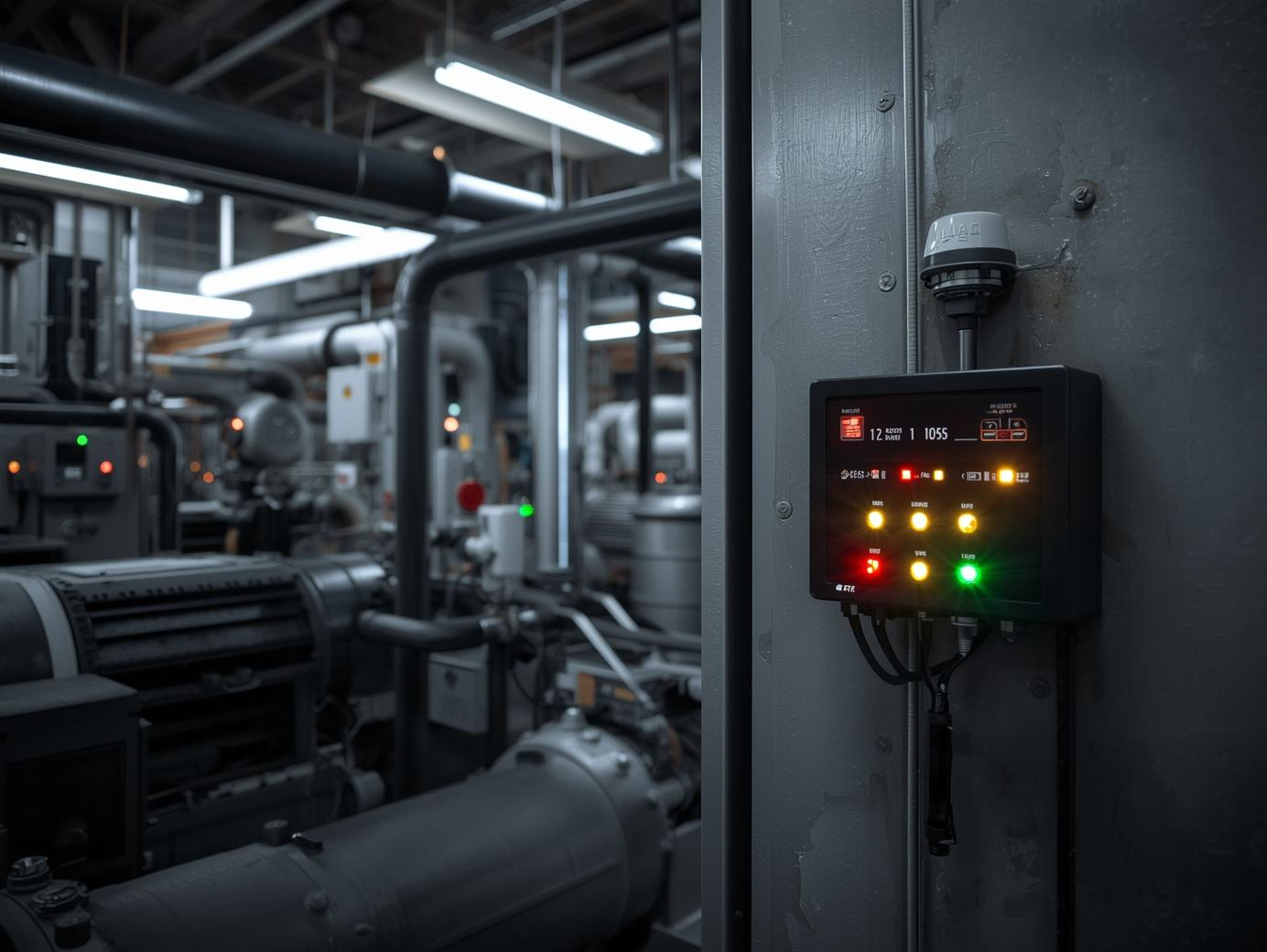
A gas detector sensor is one of the most important safety devices used in industrial environments to detect dangerous gases and protect workers from potential hazards. Many industries such as oil and gas, manufacturing, chemical plants, laboratories, and construction sites rely on a reliable gas detector sensor to monitor the air and identify harmful gases before they become dangerous.
Understanding how a gas detector sensor works helps companies prevent accidents, improve workplace safety, and protect employees from exposure to toxic or flammable gases. Modern detection systems use advanced technology to identify different gas types and alert workers when gas levels become unsafe.
Companies that invest in high-quality gas detector sensor systems create safer workplaces and reduce the risks associated with gas leaks and chemical exposure.
Why gas detector sensor Is Important for Industrial Safety
In many industrial environments, hazardous gases can leak, accumulate, or be released during normal operations. These gases are often invisible and odorless, making them difficult to detect without specialized equipment. This is why the use of a gas detector sensor is essential for maintaining workplace safety.
A reliable gas detector sensor continuously monitors the air and alerts workers when dangerous gas levels are detected. Early detection allows employees to take immediate action, such as evacuating the area or shutting down equipment, which helps prevent serious accidents.
Industries such as oil and gas, chemical processing, manufacturing, and mining rely heavily on gas detector sensor systems to ensure safe working conditions.
Key Benefits of a Gas Detector Sensor
Installing a gas detector sensor system provides several important safety advantages in industrial environments.
Key benefits include:
- Detects dangerous gases in the environment before they reach harmful levels
- Prevents explosions and fires caused by flammable gases
- Protects workers from toxic gas exposure that can lead to serious health problems
- Helps maintain workplace safety standards required by industrial regulations
- Provides early warning for hazardous situations, allowing quick response
Importance of Gas Detection Sensor
Many industrial gases such as carbon monoxide, methane, hydrogen sulfide, and other toxic substances can pose serious risks if they accumulate in enclosed or poorly ventilated spaces. A properly installed gas detector sensor system ensures that these gases are detected quickly.
Organizations that install a reliable gas detector sensor system significantly reduce workplace risks, improve emergency response, and create safer environments for workers.
How a gas detector sensor Works
A gas detector sensor works by continuously analyzing the surrounding air to identify the presence and concentration of specific gases. These sensors are designed to detect both toxic and flammable gases that may pose risks in industrial environments.
When the gas detector sensor detects gas levels that exceed safe limits, it immediately triggers warning signals. These alerts may include audible alarms, flashing lights, or notifications sent to monitoring systems. This early warning allows workers and safety teams to respond quickly and prevent accidents.
The main purpose of a gas detector sensor is to provide continuous monitoring so that hazardous gas leaks or accumulations are detected before they become dangerous.
Main Components of a Gas Detector Sensor System
Most modern gas detector sensor systems are made up of several key components that work together to monitor air quality and provide alerts.
These components typically include:
- Gas sensing elements
These are the core parts of the system that detect specific gases present in the air. - Control units
The control unit processes the signals from the sensor and determines whether gas levels exceed safe thresholds. - Alarm systems
Alarms provide immediate alerts through sound, lights, or vibration when hazardous gas levels are detected. - Display panels
Display screens show real-time gas concentration levels and system status. - Communication systems
These systems allow the gas detector sensor to send alerts to central monitoring stations or safety control rooms.
A gas detector sensor operates continuously, constantly checking the air for any changes in gas concentration. This real-time monitoring helps detect gas leaks quickly and allows workers to take action before the situation becomes dangerous.
By providing continuous monitoring and early warnings, the gas detector sensor plays a crucial role in maintaining industrial safety and protecting workers from hazardous gas exposure.
Types of gas detector sensor Used in Industrial Environments
Different industries face different types of gas hazards, which is why various gas detector sensor technologies are used depending on the specific gases present in the environment. Understanding the types of gas detector sensor systems helps organizations select the most suitable solution for maintaining industrial safety.
Each gas detector sensor technology is designed to detect particular gases or chemical compounds. Choosing the correct sensor type ensures accurate gas monitoring and improves workplace safety.
Common Types of Gas Detector Sensor
Several technologies are commonly used in modern gas detector sensor systems.
Examples include:
- Catalytic gas sensors – commonly used to detect combustible gases such as methane or propane.
- Infrared gas sensors – effective for detecting hydrocarbon gases and carbon dioxide.
- Electrochemical gas sensors – widely used for toxic gases like carbon monoxide and hydrogen sulfide.
- Semiconductor gas sensors – used in environments where general gas detection is required.
- Photoionization gas sensors (PID) – designed to detect volatile organic compounds (VOCs) and other hazardous chemicals.
Each gas detector sensor type is developed for specific industrial applications and gas detection requirements.
Fixed gas detector sensor Systems
A fixed gas detector sensor system is permanently installed in locations where continuous monitoring is required. These systems are commonly found in industrial plants, chemical factories, refineries, and oil facilities where gas leaks could pose significant risks.
Fixed gas detector sensor units continuously monitor gas concentrations in the surrounding air and send alerts to safety control rooms or alarm systems if dangerous levels are detected.
Advantages of fixed gas detector sensor
Fixed gas detector sensor systems provide several safety benefits, including:
- Continuous monitoring of gas levels in the workplace
- High detection accuracy for hazardous gases
- Integration with safety and control systems
- Automatic alarms and emergency alerts
These systems are essential for maintaining safety in high-risk industrial environments.
Portable gas detector sensor Devices
Portable devices are another important form of gas detector sensor technology. These devices are designed to be carried by workers who move around large facilities or perform inspections in different areas.
A portable gas detector sensor allows workers to monitor air quality while inspecting pipelines, tanks, storage facilities, or confined spaces where gas accumulation may occur.
Benefits of portable gas detector sensor
Portable gas detector sensor devices offer several advantages:
- Mobility, allowing workers to carry them anywhere
- Real-time gas monitoring during inspections
- Immediate alerts if hazardous gas levels are detected
- Improved worker safety in confined or high-risk spaces
These devices are especially useful for maintenance personnel and safety inspectors.
Multi-Gas gas detector sensor Technology
Some advanced monitoring systems use a multi-gas gas detector sensor, which can detect several gases simultaneously. These systems are particularly useful in industries where multiple hazardous gases may be present.
A multi-gas gas detector sensor may detect gases such as:
- Oxygen levels (O₂)
- Carbon monoxide (CO)
- Hydrogen sulfide (H₂S)
- Methane (CH₄)
- Combustible gases
These multi-gas gas detector sensor devices are widely used in industries such as oil and gas, chemical processing, mining, and confined-space operations where multiple gas hazards may occur at the same time.
Industries That Use gas detector sensor Technology
Many industries rely heavily on gas detector sensor systems to protect workers and prevent accidents caused by hazardous gases. In environments where gases may leak or accumulate, continuous monitoring is essential to maintain safe working conditions.
A properly installed gas detector sensor system helps detect dangerous gases early and allows organizations to take immediate action before the situation becomes harmful.
Several industries depend on gas detector sensor technology as part of their safety programs.
Common industries include:
- Oil and gas industry where flammable gases are frequently present
- Chemical manufacturing plants that handle hazardous substances
- Power plants where combustion gases may accumulate
- Wastewater treatment facilities where toxic gases such as hydrogen sulfide may develop
- Mining operations where underground gas buildup is a major risk
- Laboratories where chemicals and gases are regularly used
In these environments, installing a reliable gas detector sensor system is essential for maintaining safe working conditions and preventing serious incidents.
Emergency Safety Equipment Supporting gas detector sensor
While a gas detector sensor helps detect hazardous gases, additional emergency safety equipment is also necessary to protect workers during accidents or gas exposure.
Industrial workplaces often include emergency medical supplies such as First Aid Box Metal which allow workers to receive immediate treatment in case of injuries or gas-related incidents.
Combining emergency medical equipment with a reliable gas detector sensor system strengthens workplace safety programs and helps organizations respond quickly during emergencies.
Chemical Safety Systems with gas detector sensor
Chemical facilities typically require multiple safety systems to manage hazardous substances safely. In these environments, gas detection is only one part of a larger safety strategy.
For example, workplaces may install emergency washing systems provided by safety shower suppliers. These emergency showers allow workers to wash hazardous chemicals off their bodies immediately after exposure.
When combined with a reliable gas detector sensor, these safety systems create a comprehensive protection system that helps reduce the risk of injuries in chemical environments.
Environmental Protection with gas detector sensor
Another important reason companies install a gas detector sensor system is environmental protection. Gas leaks do not only threaten workers; they may also harm the surrounding environment if not detected quickly.
Industrial facilities often combine gas detection systems with spill control equipment and containment solutions to prevent hazardous materials from spreading during accidents.
By using both containment systems and a reliable gas detector sensor, companies can ensure that their operations remain safe for workers while also protecting the environment from potential industrial hazards.
Choosing the Right gas detector sensor for Your Facility
Selecting the correct gas detector sensor requires understanding the specific hazards present in the workplace.
• Types of gases present
• Detection sensitivity requirements
• Environmental conditions
• Monitoring range
• Integration with safety systems
Organizations that carefully evaluate these factors can install a gas detector sensor that provides effective protection.
Why Choose AMAN for gas detector sensor Solutions?
When companies invest in a reliable gas detector sensor, they need a trusted partner that understands workplace safety and provides high-quality equipment. Choosing AMAN means working with a professional safety solutions provider that helps businesses select the right gas detector sensor systems and other safety equipment designed to protect workers and prevent accidents.
Founded in 2006 in Cairo, Egypt, AMAN focuses on protecting lives and minimizing workplace risks by providing advanced safety solutions. Organizations that require a dependable gas detector sensor system can rely on AMAN’s expertise, industry partnerships, and commitment to safety.
Choosing gas detector sensor from AMAN Means:
- Certified safety equipment with warranty
AMAN provides reliable safety products, including advanced gas detector sensor systems that meet international safety standards and ensure long-term protection. - Trusted international brands
AMAN works with leading global manufacturers to supply high-quality gas detector sensor technologies and other safety equipment used in industrial environments. - Technical support and consultation
The AMAN team offers expert advice to help companies choose the most suitable gas detector sensor solutions based on workplace hazards and operational requirements. - Customized safety solutions
Every workplace has unique safety needs. AMAN designs tailored safety programs that integrate the right gas detector sensor systems and protective equipment. - Strong experience since 2006
With many years of industry experience, AMAN understands the challenges businesses face when implementing effective gas detector sensor monitoring and workplace safety strategies.
AMAN provides complete safety solutions that protect workers, improve operational safety, and help organizations comply with safety regulations. At AMAN, where we put people first, your safety is always our concern.
FAQ About Gas Detector Sensor
1. What is a gas detector sensor?
A gas detector sensor is a safety device used to detect the presence of dangerous gases in the air. The gas detector sensor continuously monitors the environment and alerts workers when gas levels become unsafe, helping prevent accidents and protect employees.
2. Why is a gas detector sensor important in workplaces?
A gas detector sensor is important because many harmful gases are invisible and odorless. By using a gas detector sensor, companies can detect gas leaks early and take action before workers are exposed to dangerous conditions.
3. Where is a gas detector sensor commonly used?
A gas detector sensor is commonly used in industries such as oil and gas, manufacturing, chemical plants, laboratories, and construction sites. These workplaces rely on a gas detector sensor to monitor air quality and ensure a safe working environment.
4. How does a gas detector sensor work?
A gas detector sensor works by analyzing the air and identifying the presence of specific gases. When the gas detector sensor detects gas levels above the safe limit, it activates alarms or warning signals to alert workers.
5. What gases can a gas detector sensor detect?
A gas detector sensor can detect many types of gases depending on the sensor technology. Some common gases detected by a gas detector sensor include carbon monoxide, methane, hydrogen sulfide, oxygen, and combustible gases.
6. What types of gas detector sensor systems are available?
There are several types of gas detector sensor systems, including fixed gas detectors, portable gas detectors, and multi-gas detection devices. Each gas detector sensor type is designed to monitor specific environments and safety needs.
7. How often should a gas detector sensor be maintained?
A gas detector sensor should be inspected and calibrated regularly to ensure accurate detection. Proper maintenance helps the gas detector sensor continue working effectively and ensures reliable protection for workers.
8. Can a gas detector sensor prevent workplace accidents?
Yes, a gas detector sensor helps prevent workplace accidents by detecting dangerous gases before they reach harmful levels. Early warnings from a gas detector sensor allow workers to evacuate or fix the issue before serious incidents occur.
9. How do companies choose the right gas detector sensor?
To choose the right gas detector sensor, companies must identify the types of gases present in their workplace. Selecting a suitable gas detector sensor depends on factors such as detection range, environmental conditions, and monitoring requirements.
10. Where can businesses buy a reliable gas detector sensor?
Businesses looking for a reliable gas detector sensor should work with professional safety suppliers. Companies like AMAN provide advanced gas detector sensor solutions designed to improve workplace safety and protect workers from gas hazards.
A reliable gas detector sensor plays a vital role in protecting workers, facilities, and the environment from hazardous gases. By detecting dangerous gases early, these systems help prevent accidents, explosions, and health risks.
Industries that invest in advanced gas detector sensor technology create safer workplaces and improve overall operational safety.
For companies looking for trusted safety solutions, AMAN offers advanced gas detection systems designed to meet modern industrial safety requirements.