
Blog
Methane Gas Detectors : How They Protect Workers from Gas Hazards

Methane gas detectors are essential safety devices used in many industries to detect methane gas leaks and prevent dangerous accidents. Methane is a highly flammable gas that can cause explosions if it is not detected early. That is why companies rely on advanced methane gas detectors to monitor air quality and protect workers.
Understanding how methane gas detectors work helps businesses reduce risks, improve safety, and maintain safe working environments. Industries such as oil and gas, construction, mining, and manufacturing depend heavily on reliable methane gas detectors systems.
Why Methane Gas Detectors Are Important for Safety
Using methane gas detectors is very important because methane gas is invisible and odorless. Workers cannot see or smell it, which makes it very dangerous. Without proper detection, gas leaks may go unnoticed until a serious accident happens.
Installing methane gas detectors helps detect gas leaks early and keeps workers safe in high-risk environments.
Key Reasons to Use Methane Gas Detectors
1. Methane Gas Detectors Can Prevent Explosions and Fires
Methane is highly flammable. Using methane gas detectors helps:
- Detect gas leaks early
- Prevent dangerous gas buildup
- Reduce the risk of explosions and fires
2. Methane Gas Detectors Can Protect Workers from Gas Exposure
Even though methane is not toxic, it can reduce oxygen levels. Methane gas detectors help:
- Alert workers before oxygen levels drop
- Prevent suffocation risks
- Keep workers safe in confined spaces
3. Methane Gas Detectors Can Improve Workplace Safety
Installing methane gas detectors improves overall safety by:
- Monitoring gas levels continuously
- Reducing hidden risks
- Creating a safer work environment
4. Methane Gas Detectors Can Ensure Compliance with Safety Regulations
Many industries require gas detection systems. Using methane gas detectors helps companies:
- Follow safety laws and standards
- Avoid fines and penalties
- Maintain a strong safety record
5. Methane Gas Detectors Can Provide Early Warning Systems
One of the biggest benefits of methane gas detectors is early warning. These systems:
- Trigger alarms when gas levels rise
- Give workers time to act quickly
- Prevent accidents before they happen
Using methane gas detectors is essential for safety in many industries. They help prevent accidents, protect workers, and ensure compliance with safety regulations. Companies that install methane gas detectors can greatly reduce risks and create a safer workplace.
How Methane Gas Detectors Work
Methane gas detectors work by continuously checking the air and measuring the level of methane gas present. These devices use special sensors to detect even small amounts of methane. When the gas level becomes higher than the safe limit, the detector quickly sends a warning.
This early detection helps prevent dangerous situations and keeps workers safe.
How Detection Happens with Methane Gas Detectors
A methane gas detectors system works in simple steps:
- The device samples the surrounding air
- The sensor checks methane concentration levels
- The system compares the reading to safe limits
- If levels are too high, an alarm is triggered
This process happens in real time, providing constant monitoring.
Main Components of Methane Gas Detectors
A typical methane gas detectors system includes several important parts:
1. Gas Sensing Elements
These are the most important part of methane gas detectors. They:
- Detect methane in the air
- Measure gas concentration levels
- Send data to the system
2. Alarm System
The alarm system of methane gas detectors activates when methane levels are unsafe. It can include:
- Sound alarms (sirens)
- Visual alerts (flashing lights)
- Automatic notifications
This ensures workers are alerted immediately.
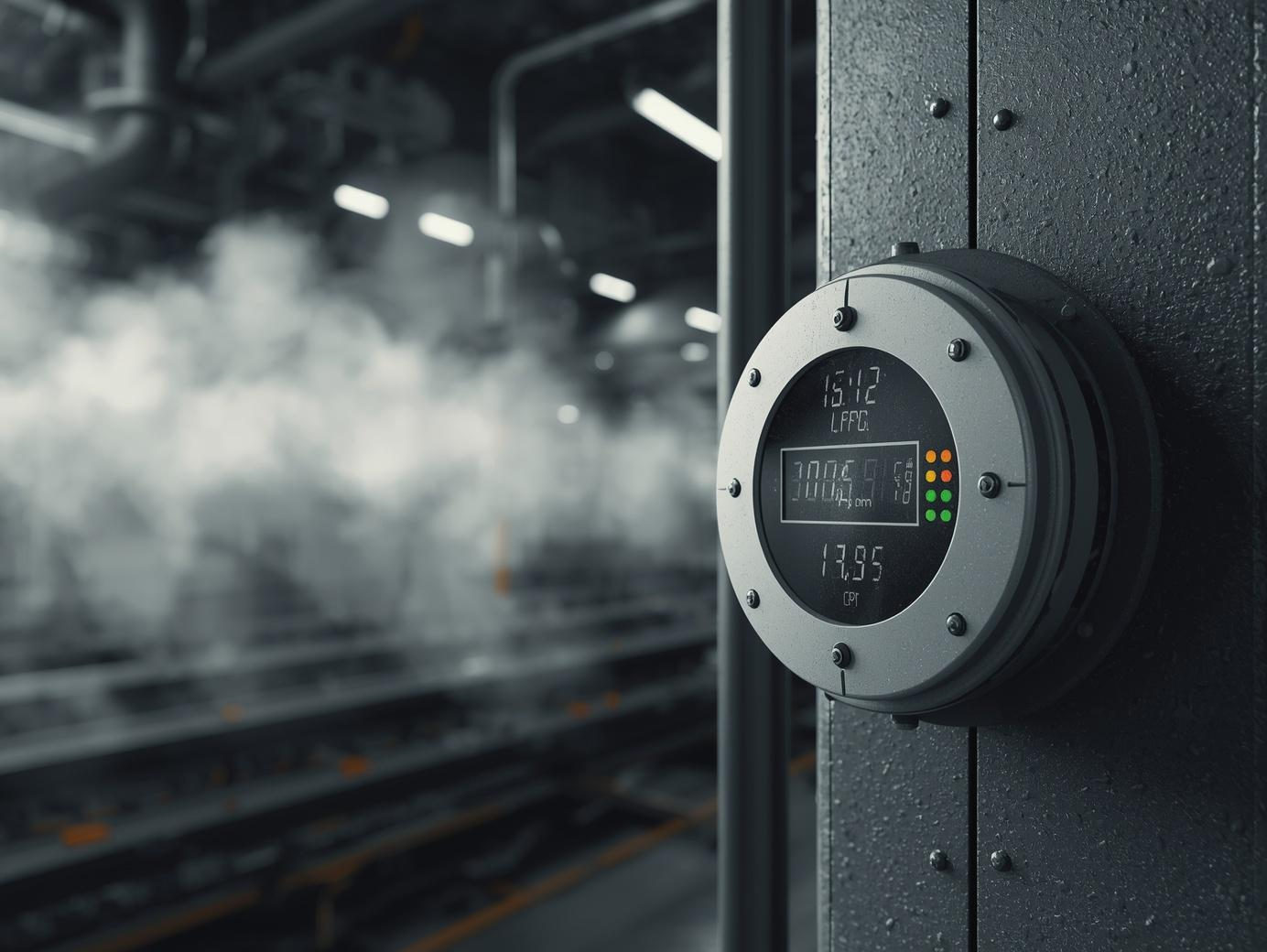
3. Display Unit
The display of methane gas detectors shows real-time information, such as:
- Current gas levels
- Warning messages
- System status
This helps workers understand the situation quickly.
4. Control Panel
The control panel of methane gas detectors manages the whole system. It:
- Processes data from sensors
- Controls alarms and alerts
- Allows system settings and adjustments
Why These Components of Methane Gas Detectors Matter
All these parts work together to make methane gas detectors accurate and reliable. They help:
- Detect gas leaks early
- Provide fast warnings
- Prevent accidents and hazards
Methane gas detectors are essential safety devices that monitor air and detect dangerous gas levels. With sensors, alarms, displays, and control systems working together, they provide fast and reliable protection in any high-risk environment.
Types of Methane Gas Detectors Used in Industry
There are different types of methane gas detectors designed for various industrial needs. Each type is built to handle specific environments and risks, helping companies maintain safety and prevent accidents.
Common Types of Methane Gas Detectors
1. Fixed Methane Gas Detectors
Fixed methane gas detectors are permanently installed in one location for continuous monitoring.
They are commonly used in:
- Oil and gas facilities
- Chemical plants
- Manufacturing sites
Key features of fixed methane gas detectors:
- Continuous real-time monitoring
- Automatic alarms when gas levels rise
- Integration with safety systems
These methane gas detectors are ideal for areas where gas leaks may occur regularly.
2. Portable Methane Gas Detectors
Portable methane gas detectors are small devices that workers can carry with them.
They are useful for:
- Workers moving between different locations
- Confined space entry
- Inspection and maintenance tasks
Benefits of portable methane gas detectors include:
- Easy to carry
- Instant alerts
- Simple to use
- Increased worker safety
These methane gas detectors provide flexibility and personal protection.
3. Multi-Gas Methane Gas Detectors
Some advanced methane gas detectors can detect multiple gases at the same time.
A multi-gas methane gas detectors device can detect:
- Methane
- Oxygen
- Carbon monoxide
- Hydrogen sulfide
These methane gas detectors are ideal for complex environments where more than one gas risk exists.
4. Infrared Methane gas detectors
Infrared methane gas detectors use infrared technology to detect gas levels.
They are known for:
- High accuracy
- Fast response time
- Reliable performance in harsh conditions
These methane gas detectors are commonly used in industrial and hazardous environments.
5. Catalytic Methane gas detectors
Catalytic methane gas detectors use a chemical reaction to detect methane.
They offer:
- Cost-effective detection
- Good sensitivity to gas levels
- Reliable performance in standard conditions
These methane gas detectors are widely used in many industries.
Different types of methane gas detectors are designed to meet different workplace needs. Whether fixed, portable, or multi-gas systems, choosing the right methane gas detectors helps improve safety, reduce risks, and protect workers in all industrial environments.
Methane Gas Detectors Available from AMAN
Businesses looking for reliable methane gas detectors can explore the solutions offered by AMAN.
From the AMAN catalog, available gas detection solutions include:
• Fixed gas detection systems
• Portable gas detectors
• Multi-gas monitoring devices
• Industrial gas sensors
• Gas alarm systems
These products are designed to provide advanced methane gas detectors solutions for industrial safety.
Industries That Use Methane Gas Detectors
Many industries rely on methane gas detectors to keep workers safe and prevent dangerous accidents. Since methane is invisible and highly flammable, using methane gas detectors is essential in any environment where gas leaks may occur.
1. Oil and Gas and Methane gas detectors
The oil and gas industry is one of the highest-risk sectors. Methane gas detectors are used to:
- Detect gas leaks early
- Prevent explosions and fires
- Monitor gas levels continuously
This helps ensure safe operations in refineries and drilling sites.
2. Mining and Methane gas detectors
Mining environments often contain trapped gases underground. Methane gas detectors help:
- Monitor air quality in tunnels
- Prevent gas buildup
- Protect workers from explosions
These detectors are critical for underground safety.
3. Construction and Methane gas detectors
Construction sites may involve gas lines or confined spaces. Methane gas detectors are used to:
- Check for gas leaks before work starts
- Monitor safety in enclosed areas
- Protect workers during excavation
This reduces the risk of unexpected gas exposure.
4. Manufacturing and Methane gas detectors
Factories that use chemicals or gas systems depend on methane gas detectors to:
- Detect leaks in production areas
- Maintain safe working conditions
- Avoid production shutdowns
This improves both safety and efficiency.
5. Waste Management and Methane Gas Detectors
Waste sites and landfills produce methane naturally. Methane gas detectors help:
- Monitor gas emissions
- Prevent fire hazards
- Protect workers in waste facilities
This is important for both safety and environmental control.
Many industries depend on methane gas detectors to maintain safe operations. By detecting gas leaks early and providing warnings, methane gas detectors help prevent accidents, protect workers, and ensure a safe working environment.
Emergency Safety Equipment with Methane Gas Detectors
While methane gas detectors are essential for detecting gas leaks, they should be used together with other emergency equipment to create a complete safety system. Detection alone is not enough—quick response tools are also needed.
For example, many workplaces install a first aid box for wall to:
- Provide immediate medical help
- Treat minor injuries quickly
- Support workers until medical teams arrive
Combining emergency equipment with methane gas detectors helps companies respond faster and reduce the impact of accidents.
Workplace Safety Systems Supporting Methane Gas Detectors
Effective safety depends on multiple systems working together. Methane gas detectors are more effective when supported by other safety solutions.
For example, workplaces often install safety shower and eyewash station to:
- Wash off harmful chemicals
- Protect eyes and skin from exposure
- Reduce injury severity in emergencies
When these systems are used with methane gas detectors, they provide:
- Faster emergency response
- Better protection for workers
- Improved overall safety performance
PPE and Methane Gas Detectors in Safety Planning
Personal protective equipment (PPE) is an important part of any safety plan, especially in environments with gas risks. Many companies search for where can i buy PPE equipment to ensure they get the right protection.
Using PPE with methane gas detectors helps:
- Protect workers from direct hazards
- Reduce injury risks
- Improve confidence and safety awareness
Common PPE used with methane gas detectors includes:
- Respiratory protection
- Safety gloves
- Protective clothing
- Safety footwear
A strong safety system does not rely on one solution alone. By combining methane gas detectors with emergency equipment, safety systems, and PPE, companies can create a complete safety program that protects workers and reduces risks in all situations.
Choosing the Right Methane Gas Detectors
Selecting the right methane gas detectors is essential for ensuring safety in the workplace. Different environments have different risks, so choosing the correct system helps improve protection, reduce accidents, and increase efficiency.
1. Type of Environment
The working environment plays a major role in selecting methane gas detectors. For example:
- Industrial sites may need fixed systems
- Confined spaces may require portable devices
- Harsh environments need durable and resistant detectors
Choosing the right type ensures reliable performance.
2. Gas Concentration Levels
Different workplaces have different methane levels. When choosing methane gas detectors, consider:
- Expected gas concentration ranges
- Sensitivity of the detector
- Ability to detect low and high levels
This helps ensure early and accurate detection.
3. Detection Accuracy
Accuracy is critical for safety. High-quality methane gas detectors should:
- Provide precise readings
- Respond quickly to gas changes
- Minimize false alarms
Accurate detection helps prevent serious incidents.
4. Maintenance Requirements
Regular maintenance is important for reliable performance. When selecting methane gas detectors, check:
- Calibration needs
- Ease of maintenance
- Availability of spare parts
Low-maintenance systems save time and cost.
5. System Integration
Modern safety systems work together. Good methane gas detectors should:
- Connect with alarm systems
- Integrate with control panels
- Support monitoring systems
This creates a complete and effective safety solution.
Choosing the right methane gas detectors depends on understanding your workplace needs. By considering environment, gas levels, accuracy, maintenance, and integration, companies can improve safety, reduce risks, and ensure efficient operations.
Why Choose AMAN for methane gas detectors
Businesses looking for reliable methane gas detectors solutions often work with experienced safety providers like AMAN.
Founded in 2006 in Cairo, Egypt, AMAN focuses on protecting lives and minimizing accident risks. By working closely with customers and leading manufacturers, AMAN designs customized safety solutions that meet daily workplace needs.
AMAN understands the financial pressure businesses face, so it provides high-quality methane gas detectors while helping reduce overall safety costs.
The expert AMAN team supports clients in selecting the best methane gas detectors for their environment.
FAQ About Methane Gas Detectors
1. What are methane gas detectors?
Methane gas detectors are safety devices used to detect methane gas in the air. These methane gas detectors help prevent accidents by alerting workers when gas levels become dangerous.
2. Why are methane gas detectors important?
Methane gas detectors are important because methane gas is flammable and can cause explosions. Using methane gas detectors helps protect workers and prevent serious incidents.
3. Where are methane gas detectors used?
Methane gas detectors are used in industries such as oil and gas, mining, construction, and manufacturing. These environments require reliable methane gas detectors to ensure safety.
4. How do methane gas detectors work?
Methane gas detectors work by sensing methane levels in the air. When methane gas detectors detect high gas levels, they activate alarms to warn workers.
5. What types of methane gas detectors are available?
There are different types of methane gas detectors, including fixed detectors, portable devices, and multi-gas systems. Each type of methane gas detectors is used for specific applications.
6. What gases can methane gas detectors detect?
While designed for methane, some advanced methane gas detectors can also detect gases like carbon monoxide and hydrogen sulfide.
7. Who should use methane gas detectors?
Workers in hazardous environments should use methane gas detectors, especially in industries where gas leaks are possible.
8. How often should methane gas detectors be checked?
Methane gas detectors should be checked regularly to ensure accuracy. Proper maintenance keeps methane gas detectors working effectively.
9. Can methane gas detectors prevent explosions?
Yes, methane gas detectors help prevent explosions by detecting gas leaks early and providing warning alerts.
10. Are methane gas detectors easy to use?
Most modern methane gas detectors are designed to be user-friendly, allowing workers to easily monitor gas levels.
11. What is the difference between fixed and portable methane gas detectors?
Fixed methane gas detectors are installed in one place for continuous monitoring, while portable methane gas detectors can be carried by workers.
12. How accurate are methane gas detectors?
High-quality methane gas detectors provide accurate readings and reliable alerts when gas levels exceed safe limits.
13. Do methane gas detectors require calibration?
Yes, methane gas detectors need regular calibration to ensure accurate performance and reliable detection.
14. What industries rely most on methane gas detectors?
Industries such as oil and gas, mining, and chemical plants rely heavily on methane gas detectors to maintain safety.
15. Can methane gas detectors be used indoors?
Yes, methane gas detectors are commonly used indoors in factories, plants, and storage facilities.
16. How do methane gas detectors improve workplace safety?
Methane gas detectors improve safety by providing early warnings, allowing workers to act quickly and avoid hazards.
17. What features should I look for in methane gas detectors?
When choosing methane gas detectors, look for features such as high sensitivity, alarm systems, durability, and easy maintenance.
18. Where can companies buy methane gas detectors?
Companies can buy methane gas detectors from trusted safety suppliers like AMAN, which offers reliable gas detection solutions.
19. Are methane gas detectors required by safety regulations?
In many industries, using methane gas detectors is required to comply with safety regulations and protect workers.
20. Why choose AMAN for methane gas detectors?
Businesses choose AMAN for methane gas detectors because of its experience, high-quality products, and professional support in workplace safety solutions.
Methane gas detectors are essential for protecting workers and preventing dangerous accidents in industrial environments. By detecting methane early, these systems help avoid explosions and improve workplace safety.
Companies that invest in reliable methane gas detectors create safer work environments and reduce operational risks.
For businesses looking for trusted safety solutions, AMAN offers advanced methane gas detectors designed to meet modern safety requirements.
At AMAN, we put people first, and your safety is always our concern.