
Blog
Wireless Gas Detectors 2026 for Industrial Safety


Wireless gas detectors are advanced safety devices used to detect dangerous gases without the need for wired connections. Many industries today rely on wireless gas detectors to monitor air quality, improve safety, and respond quickly to gas leaks.
Using wireless gas detectors helps companies reduce risks, especially in large or complex environments where wired systems may be difficult to install. These devices are widely used in oil and gas, construction, manufacturing, and chemical industries.
With AMAN you can understand how wireless gas detectors work is important for building a strong safety system that protects workers and prevents accidents.
Why Wireless Gas Detectors Are Important for Safety
Wireless gas detectors are very important for keeping workers safe. Many gases cannot be seen or smelled, so they are dangerous. Wireless gas detectors help find these gases early and give warnings before accidents happen.
These devices work without cables, which makes them easy to use in many workplaces.
Key Benefits of Wireless Gas Detectors
1. Real-Time Gas Monitoring
Wireless gas detectors check the air all the time. They:
- Show gas levels instantly
- Detect leaks quickly
- Help prevent dangerous situations
2. Easy Installation Without Cables
Wireless gas detectors are simple to install because:
- No wires are needed
- Setup is fast
- Installation cost is lower
3. Fast Alerts and Notifications
When gas levels become unsafe, wireless gas detectors give alerts such as:
- Sound alarms
- Flashing lights
- Notifications to systems
This helps workers act quickly.
4. Flexible Coverage for Large Areas
Wireless gas detectors can cover large spaces easily. They:
- Can be placed in many locations
- Are easy to move or add more units
- Work well in big or complex areas
5. Improved Workplace Safety
Using wireless gas detectors helps:
- Reduce accidents
- Protect workers
- Create a safer workplace
Wireless gas detectors are important safety tools. They are easy to install, give fast alerts, and help detect gas leaks early. This makes the workplace safer and protects workers from harm.
How Wireless Gas Detectors Work
Wireless gas detectors work by using sensors to detect gases in the air and then sending this data wirelessly to a control system. This means there is no need for cables, making the system simple and flexible.
These devices check the air all the time and help detect gas leaks early to keep workers safe.
How the System Works
A wireless gas detectors system works in simple steps:
- The sensor checks the air for gas levels
- The device measures the amount of gas present
- Data is sent wirelessly to a control unit
- If gas levels are too high, an alert is triggered
This process happens continuously for real-time safety monitoring.
Main Components of Wireless Gas Detectors
1. Gas Sensors
Gas sensors are the most important part of wireless gas detectors. They:
- Detect gases in the air
- Measure gas concentration levels
- Send data to the system
2. Wireless Communication Modules
These modules allow wireless gas detectors to:
- Send data without cables
- Connect with control systems
- Provide flexible installation
3. Control Unit
The control unit receives and processes data from wireless gas detectors. It:
- Monitors gas levels
- Analyzes the data
- Controls alerts and system responses
4. Alarm System
The alarm system activates when gas levels become unsafe. It includes:
- Sound alarms
- Flashing lights
- Mobile or system notifications
This helps workers react quickly.
Wireless gas detectors provide:
- Continuous monitoring
- Fast alerts
- Easy installation
- Flexible system setup
Wireless gas detectors are advanced safety tools that detect gas and send data wirelessly. With sensors, communication modules, control units, and alarms working together, they provide reliable and real-time protection in many workplaces.
Types of Wireless Gas Detectors Used in Industry
Different industries use different types of wireless gas detectors depending on the environment and the type of gases present. Each type is designed to provide accurate detection and improve workplace safety.
Common Types of Wireless Gas Detectors
1. Fixed Wireless Gas Detectors
Fixed wireless gas detectors are installed in one place for continuous monitoring.
They are used in:
- Factories
- Oil and gas facilities
- Chemical plants
Key benefits:
- 24/7 monitoring
- Automatic alerts
- Connection to central control systems
2. Portable Wireless Gas Detectors
Portable wireless gas detectors are small devices that workers carry.
They are ideal for:
- Workers moving between areas
- Inspection and maintenance tasks
- Confined spaces
Benefits include:
- Easy to carry
- Real-time alerts
- Personal safety protection
3. Multi-Gas Wireless Detectors
Some wireless gas detectors can detect more than one gas at the same time.
They can detect:
- Methane
- Oxygen
- Carbon monoxide
- Hydrogen sulfide
These detectors are useful in complex environments with multiple gas risks.
4. Infrared Gas Detectors
Infrared wireless gas detectors use advanced technology to detect gases.
They offer:
- High accuracy
- Fast response
- Reliable performance in harsh conditions
They are commonly used in industrial and hazardous areas.
5. Toxic Gas Detectors
Toxic wireless gas detectors are designed to detect harmful gases.
They help:
- Protect workers from dangerous exposure
- Monitor air quality
- Ensure safe working conditions
There are many types of wireless gas detectors, each designed for specific needs. Choosing the right type helps companies detect gases accurately, improve safety, and protect workers in different industries.
Gas Detection Solutions Available from AMAN Using wireless gas detectors
Companies looking for reliable wireless gas detectors can explore solutions offered by AMAN.
Examples of available Gas Detection Solutions at AMAN :
- Distran Ultra Pro Leak Detection Camera
- Sensitron Fixed Gas Detector Smart 3R
- Honeywell BW Max XT II Multi Gas Detector
- Crowcon T4 Portable Gas Detector
- Honeywell Analytics XCD IR & Flammable Transmitter
- Extech FM200 Formaldehyde Meter
Industries That Use Wireless Gas Detectors
Many industries use wireless gas detectors to keep workers safe. These devices help detect gas leaks early and prevent accidents.
1. Oil and Gas
The oil and gas industry has high risks. Wireless gas detectors help:
- Detect gas leaks quickly
- Prevent fires and explosions
- Monitor gas levels all the time
2. Construction
Construction sites can have gas risks. Wireless gas detectors help:
- Check for gas before work starts
- Monitor air in closed spaces
- Keep workers safe at work
3. Manufacturing
Factories use gases and chemicals. Wireless gas detectors help:
- Find gas leaks
- Keep the workplace safe
- Reduce accidents
4. Mining
Mining has dangerous gases underground. Wireless gas detectors help:
- Check air quality
- Detect gas buildup
- Protect workers
5. Chemical Plants
Chemical plants deal with harmful gases. Wireless gas detectors help:
- Detect toxic gases
- Prevent exposure
- Improve safety
Many industries use wireless gas detectors to stay safe. These devices help find gas leaks early, protect workers, and reduce accidents.
Safety Systems Supporting wireless gas detectors
A complete safety system includes more than just gas detection.
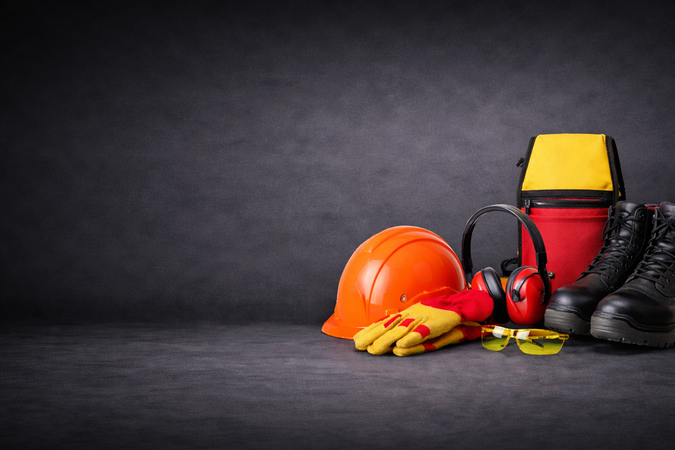
Workers must also understand PPE equipment and their uses to ensure full protection in hazardous environments.
Combining PPE with wireless gas detectors creates a stronger safety system.
Construction Safety and Wireless Gas Detectors
Construction sites can have hidden gas risks from equipment, materials, and underground lines. Using wireless gas detectors helps workers monitor air quality and detect gas leaks early.
At the same time, understanding PPE equipment for construction is important to keep workers fully protected.
Why This Combination Matters
Using wireless gas detectors with proper PPE helps:
- Detect gas leaks in real time
- Protect workers from harmful exposure
- Reduce the risk of accidents
- Improve overall site safety
Common PPE used on construction sites includes:
- Safety helmets
- Gloves
- Safety boots
- High-visibility clothing
When workers use PPE together with wireless gas detectors, they get better protection in dangerous environments.
Emergency Systems with Wireless Gas Detectors
Emergency systems are very important in workplaces with hazards. Even with wireless gas detectors, quick response tools are needed in case of accidents.
For example, installing a safety shower helps:
- Wash off harmful chemicals quickly
- Protect skin and eyes
- Reduce injury severity
Why Emergency Systems Matter
When emergency systems are used with wireless gas detectors, they help:
- Provide fast response during accidents
- Improve worker safety
- Reduce damage and injuries
- Support safety regulations
Using wireless gas detectors along with PPE and emergency systems creates a strong safety plan. This combination helps detect risks early, protect workers, and make construction sites safer.
Choosing the Right Wireless Gas Detectors
Selecting the right wireless gas detectors is very important for workplace safety. The right choice helps detect gas leaks early, protect workers, and improve overall safety.
1. Type of Gases Present
Different workplaces have different gases. When choosing wireless gas detectors, you should:
- Identify the gases in your environment
- Choose detectors designed for those gases
- Ensure proper sensitivity for detection
2. Size of the Area that you will use wireless gas detectors in
The size of the workplace affects how many wireless gas detectors you need.
- Large areas need more detectors
- Small areas may need fewer units
- Proper placement ensures full coverage
3. Environmental Conditions
Work conditions can affect performance. Good wireless gas detectors should handle:
- High temperatures
- Dust and humidity
- Harsh industrial environments
4. Detection Accuracy
Accuracy is very important. Reliable wireless gas detectors should:
- Provide correct readings
- Detect gas quickly
- Reduce false alarms
5. System Integration
Modern safety systems work together. The best wireless gas detectors can:
- Connect with alarm systems
- Link to control panels
- Send remote alerts
Choosing the right wireless gas detectors depends on your workplace’s needs. By considering gas type, area size, environment, accuracy, and system integration, companies can ensure reliable protection and a safer working environment.
Why Choose AMAN for Wireless Gas Detectors
Businesses looking for reliable wireless gas detectors solutions often choose AMAN.
Founded in 2006 in Cairo, Egypt, AMAN focuses on protecting lives and minimizing accident risks. By working closely with customers and leading manufacturers, AMAN provides customized safety solutions.
AMAN understands the challenges businesses face and offers high-quality wireless gas detectors designed to improve safety and reduce risks.
The expert team at AMAN helps companies choose the best wireless gas detectors for their specific needs.
FAQ About Wireless Gas Detectors
1. What are wireless gas detectors?
Wireless gas detectors are safety devices that detect harmful gases in the air and send alerts without using wires. These wireless gas detectors help protect workers by providing real-time monitoring in different environments.
2. Why are wireless gas detectors important?
Wireless gas detectors are important because they help detect dangerous gases early. By using wireless gas detectors, companies can prevent accidents and improve workplace safety.
3. Where are wireless gas detectors commonly used?
Wireless gas detectors are commonly used in industries such as oil and gas, construction, manufacturing, and chemical plants. These wireless gas detectors help monitor gas levels and ensure safe working conditions.
4. How do wireless gas detectors work?
Wireless gas detectors work by using sensors to detect gases in the air and send data wirelessly to a control system. When wireless gas detectors detect unsafe gas levels, they trigger alarms or notifications.
5. What types of wireless gas detectors are available?
There are different types of wireless gas detectors, including fixed systems, portable devices, and multi-gas units. Each type of wireless gas detectors is designed for specific safety needs.
6. What gases can wireless gas detectors detect?
Wireless gas detectors can detect different gases such as methane, carbon monoxide, hydrogen sulfide, and oxygen levels. Advanced wireless gas detectors can monitor multiple gases at the same time.
7. Who should use wireless gas detectors?
Workers in hazardous environments should use wireless gas detectors to stay safe. Companies that install wireless gas detectors protect employees from gas exposure risks.
8. How accurate are wireless gas detectors?
High-quality wireless gas detectors provide accurate readings and reliable alerts. Properly maintained wireless gas detectors ensure effective gas detection.
9. Do wireless gas detectors require maintenance?
Yes, wireless gas detectors require regular maintenance and calibration. Keeping wireless gas detectors in good condition ensures they work correctly.
10. Can wireless gas detectors prevent workplace accidents?
Yes, wireless gas detectors help prevent accidents by detecting gas leaks early. Early alerts from wireless gas detectors allow workers to respond quickly.
11. What is the difference between wireless gas detectors and wired systems?
Wireless gas detectors do not require cables and are easier to install, while wired systems need fixed connections. Many companies prefer wireless gas detectors for flexibility.
12. Are wireless gas detectors easy to install?
Yes, wireless gas detectors are easy to install because they do not require complex wiring. This makes wireless gas detectors suitable for large and complex facilities.
13. How do companies choose the right wireless gas detectors?
Companies choose wireless gas detectors based on the type of gases, environment, and safety needs. Selecting the right wireless gas detectors ensures effective protection.
14. Where can businesses buy wireless gas detectors?
Businesses can buy wireless gas detectors from trusted safety suppliers like AMAN. Reliable suppliers provide high-quality wireless gas detectors for different industries.
15. Why should companies invest in wireless gas detectors?
Companies should invest in wireless gas detectors because they improve safety, reduce risks, and provide real-time monitoring. Using wireless gas detectors helps protect workers and prevent dangerous situations.
Wireless gas detectors are essential for modern workplace safety. They provide real-time monitoring, early warnings, and flexible installation, making them ideal for many industries.
Companies that invest in wireless gas detectors create safer environments, reduce accidents, and protect workers.
For businesses looking for reliable safety solutions, AMAN offers advanced wireless gas detectors and professional support.
At AMAN, we put people first, and your safety is always our concern.