
Blog
Industrial Safety Uniform: How Workwear Influences Worker Behavior and Safety Culture

An industrial safety uniform is usually seen as protective clothing, but its effect can go beyond physical protection. What workers wear can influence how they think about their job, how seriously they treat safety rules, and how they behave around hazards. In a factory, engineering site, oil and gas facility, warehouse, energy project, or large production plant, an industrial safety uniform can become a daily visual reminder that safety is part of the job.
When the uniform is designed well, fits properly, and is supported by clear safety procedures, it can help create habits that encourage safer behavior rather than simply acting as another piece of PPE.
Industrial Safety Uniform: Can Clothing Really Change Worker Behavior?
Yes, but not because a uniform has a special psychological power. An industrial safety uniform can influence behavior through several simple psychological mechanisms: visual reminders, group identity, routine, perceived professionalism, and social expectations.
Think about a worker arriving for a shift. Putting on the same protective clothing every morning creates a clear transition from personal life to work. When that clothing is associated with safety rules, inspections, training, and professional behavior, the uniform can become part of a safety routine.
The effect is stronger when management also follows the same safety culture. A uniform cannot compensate for poor leadership, missing equipment, or unsafe procedures. It works best as one visible part of a wider safety system.
Industrial Safety Uniform: Why Does a Uniform Create a Safety Mindset?
An industrial safety uniform can act as a psychological cue. A cue is something that reminds a person to behave in a certain way.
For example, seeing a stop sign automatically makes most people think about stopping. In a similar but less direct way, putting on industrial workwear can remind employees that they are entering an environment where specific rules apply.
This does not mean every worker will automatically become safer. The important point is repetition.
When the same uniform is worn during:
- Safety briefings
- Equipment inspections
- Production work
- Maintenance activities
- Emergency drills
- Toolbox talks
it becomes connected with the workplace’s safety expectations.
Over time, the industrial safety uniform can become part of the mental routine that prepares workers for the tasks ahead.
check Corporate Gifts
Industrial Safety Uniform: How Does Habit Formation Affect Safety?
Many workplace behaviors are habits. Workers do not consciously think about every small action they perform during a familiar shift.
An industrial safety uniform can become part of this habit system.
A worker may develop a routine such as:
- Put on the uniform.
- Check the condition of the clothing.
- Put on required PPE.
- Attend the safety briefing.
- Inspect the work area.
- Begin the task.
The uniform itself does not create the habit. The company creates the routine around it.
This distinction is important. If a company provides uniforms but never connects them to safety inspections or training, their psychological effect may be much weaker.
Industrial Safety Uniform: Does Wearing Safety Clothing Increase Safety Compliance?
It can support compliance, especially when the uniform is clearly associated with workplace rules.
An industrial safety uniform can make safety requirements more visible. For example, if employees know that specific garments are required in certain zones, putting on the correct clothing becomes part of preparing for the job.
Compliance is more likely when:
- Rules are simple.
- Equipment is available.
- Managers follow the same rules.
- Workers understand the reason behind each requirement.
- The clothing is comfortable enough to wear correctly.
- Employees receive proper training.
A uniform should therefore support a safety system rather than replace one.
Industrial Safety Uniform: Why Does Group Identity Matter?
People naturally respond to group expectations.
An industrial safety uniform can create a shared visual identity among employees. When workers see colleagues wearing the same protective clothing, it can reinforce the idea that everyone is expected to follow the same safety standards.
This can be particularly useful in large workplaces.
Imagine a manufacturing plant with several hundred employees. If every worker follows different clothing practices, safety expectations become less visible. A consistent uniform creates a common standard.
This does not mean employees lose individuality. It simply makes the professional role more visible while they are working.
Industrial Safety Uniform: Can Uniforms Influence New Employees?
New employees often learn workplace behavior by watching experienced workers.
An industrial safety uniform can help make expected behavior visible from the beginning.
A new employee who sees experienced technicians wearing the correct uniform, checking PPE, and following site rules receives a clear social signal: this is how work is done here.
The opposite can also happen.
If experienced employees ignore safety requirements while wearing the uniform, new workers may copy that behavior.
This is why leadership matters. The psychological effect of an industrial safety uniform depends heavily on what employees see around them.
Industrial Safety Uniform: Why Does Comfort Matter for Safety Behavior?
Comfort is not simply a question of employee satisfaction.
An uncomfortable industrial safety uniform can create behavioral problems.
If clothing is:
- Too hot
- Too heavy
- Too tight
- Too loose
- Difficult to move in
- Poorly designed
workers may try to modify it, remove parts of it, or avoid wearing it correctly.
That creates a direct safety problem.
A good uniform should balance protection and comfort. Workers are more likely to follow a safety requirement when the equipment is practical for the actual job.
Industrial Safety Uniform: Does Color Influence Safety Awareness?
Color can influence how quickly people notice workers and safety-related information.
High-visibility colors and reflective materials can make an industrial safety uniform easier to see in environments with vehicles, machinery, poor lighting, or outdoor work.
Color also helps companies create visual categories.
For example, a company may use different colors to distinguish:
- Maintenance teams
- Production workers
- Supervisors
- Visitors
- Emergency response teams
The exact color system should be based on workplace needs rather than decoration.
Industrial Safety Uniform: Why Is High Visibility Important in Large Industrial Sites?
Large industrial sites can contain vehicles, cranes, forklifts, heavy machinery, and workers moving in different directions.
A visible industrial safety uniform helps other workers identify people more quickly.
This is particularly useful in:
- Construction projects
- Warehouses
- Road work
- Ports
- Airports
- Oil and gas sites
- Renewable energy projects
Visibility does not prevent every accident, but making workers easier to see can support safer movement around vehicles and machinery.
Industrial Safety Uniform: Can Uniforms Reduce Risk-Taking Behavior?
A uniform alone cannot stop risky behavior.
However, an industrial safety uniform can reinforce the idea that employees are performing a professional role with specific responsibilities.
When a company combines professional workwear with:
- Training
- Safety inspections
- Clear procedures
- Supervisor involvement
- Incident reporting
- Correct PPE
workers receive repeated signals that safety is part of normal work rather than an optional extra.
The important psychological principle is consistency.
Industrial Safety Uniform: How Does Management Behavior Affect the Uniform’s Psychological Impact?
Management behavior may be more important than the uniform itself.
If managers wear the required industrial safety uniform and follow the same site rules as everyone else, employees see that safety requirements apply to the entire organization.
If managers ignore PPE requirements, employees receive a conflicting message. This creates a credibility problem.
A company cannot tell employees that safety comes first while senior staff regularly ignore basic safety rules.
The uniform becomes much more effective when leadership behavior supports the message printed on safety posters and training materials.
Can Industrial Safety Uniforms Improve Professional Identity?
Yes, professional identity can influence behavior.
An industrial safety uniform can help workers see themselves as part of a skilled professional team. This matters because people often behave according to how they understand their role.
A trained technician who sees their work as a professional responsibility may be more likely to:
- Inspect equipment
- Report hazards
- Follow procedures
- Use PPE correctly
- Stop unsafe work
The uniform supports this identity by making the professional role visible.
What Happens When Employees Understand the Reason Behind the Uniform?
Employees are more likely to follow safety rules when they understand the reason behind them.
Simply saying “wear this because management says so” may produce limited compliance.
Explaining the hazard changes the conversation.
For example:
“This flame-resistant garment is required because a flash fire can cause severe burns within seconds.”
This gives the employee a clear reason for the requirement.
An industrial safety uniform becomes more meaningful when employees understand the risk it addresses.
Industrial Safety Uniform: How Can Companies Use Uniform Inspections as a Safety Habit?
Uniform inspections can become a simple daily safety behavior.
Before entering a hazardous area, workers can check:
- Tears
- Damaged seams
- Missing fasteners
- Contamination
- Reflective material
- General garment condition
This makes the industrial safety uniform more than something employees put on and forget.
The inspection itself becomes a small safety ritual.
Small repeated behaviors can have a significant effect on workplace culture over time.
Industrial Safety Uniform: What Is the Connection Between Uniforms and PPE?
An industrial safety uniform is usually only one part of a wider PPE program.
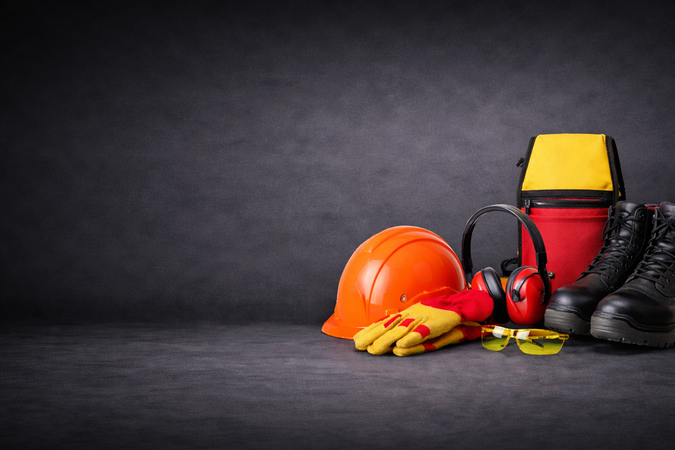
Depending on the job, employees may also need helmets, gloves, eye protection, hearing protection, respiratory protection, and protective footwear.
For example, a company may provide work uniforms for sale as part of its general workwear program while separately selecting specialized PPE for specific hazards.
This distinction matters because not every uniform protects against every workplace hazard.
Can the Wrong Industrial Safety Uniform Encourage Unsafe Behavior?
Yes. Poorly selected clothing can unintentionally encourage unsafe behavior.
If an industrial safety uniform is uncomfortable, workers may:
- Roll up sleeves.
- Leave fasteners open.
- Remove layers.
- Modify the garment.
- Wear unauthorized clothing underneath.
- Avoid wearing the uniform correctly.
These actions can reduce protection.
This is why employee feedback should be part of uniform selection. Workers understand practical problems that may not be obvious from a product specification sheet.
How Does Worker Feedback Improve Safety?
Worker feedback helps companies understand whether an industrial safety uniform actually works in daily conditions.
Useful questions include:
- Is the uniform comfortable during the entire shift?
- Does it restrict movement?
- Is it too warm?
- Is it easy to clean?
- Does it fit different body types?
- Does it work with other PPE?
- Are workers modifying it?
The answers can help safety teams make better purchasing decisions.
A uniform that looks excellent on paper but is rarely worn correctly is not a successful safety solution.
What Role Does AMAN Play in Choosing Industrial Workwear?
Founded in 2006 in Cairo, Egypt, AMAN focuses on protecting lives and reducing workplace risks. The company works closely with customers and leading manufacturers to develop safety solutions suited to real operational conditions.
AMAN understands that companies face financial pressure while trying to maintain safe working environments. Its approach focuses on reducing the total cost of safety by minimizing accidents, losses, and operational disruption.
For businesses searching for an industrial safety uniform, AMAN can help assess the working environment and identify products that fit the actual requirements of the job.
This approach is particularly useful for factories, engineering companies, energy projects, oil and gas facilities, warehouses, and other workplaces where protective clothing is part of a larger safety program.
Industrial Safety Uniform: How Does AMAN Connect Uniforms with Other Safety Products?
A workplace rarely has only one type of hazard.
A company may need an industrial safety uniform alongside cutting tools, first aid equipment, emergency response equipment, fall protection, and other PPE.
For example, workers may use safety cutter blades during packaging or maintenance tasks. The uniform and the cutter address different risks, but both belong to the same workplace safety system.
The same principle applies to emergency equipment. Businesses may need first aid products and emergency washing facilities in addition to protective clothing.
This layered approach is more realistic than expecting one product to solve every safety problem.
How Does Emergency Equipment Support Worker Safety?
An industrial safety uniform is only one part of a complete workplace safety system. Employees may still face cuts, burns, falls, or other injuries during normal operations, so companies also need accessible emergency equipment. For example, a properly stocked first aid bag can give trained employees quick access to basic first aid supplies when a minor workplace injury occurs. The location and contents of emergency equipment should be based on the workplace risk assessment and the company’s emergency procedures.
Industrial Safety Uniform: When Should Workers Use Flame-Resistant Uniforms?
An industrial safety uniform should match the hazards employees actually face. Workers exposed to flames, sparks, flash fires, or high heat may require specialized flame-resistant clothing rather than standard workwear. AMAN provides specialized options such as a fire retardant uniform for industrial environments where flame and heat hazards are part of the job. The correct garment should always be selected based on the specific risk, the required protection level, and the manufacturer’s instructions.
Industrial Safety Uniform: Why Are Emergency Showers Important in Industrial Workplaces?
An industrial safety uniform can reduce exposure to certain workplace hazards, but it cannot eliminate the need for emergency response equipment. Facilities that handle hazardous chemicals should also plan for rapid emergency washing in the event of exposure. Companies can work with safety shower suppliers to select suitable emergency shower and eyewash solutions based on the chemicals used, workplace layout, and emergency response requirements.
How Can Companies Make Safety Clothing Part of Their Safety Culture?
The most effective approach is to make the industrial safety uniform part of everyday safety culture rather than treating it as a purchasing requirement.
Companies can:
- Explain why the uniform is required.
- Involve employees in selection.
- Train workers on proper use.
- Inspect clothing regularly.
- Replace damaged garments.
- Ensure managers follow the same rules.
- Connect uniforms with broader safety procedures.
- Recognize employees who demonstrate good safety behavior.
When these actions become routine, protective clothing becomes part of how the company operates.
Industrial Safety Uniform: Can Safety Clothing Influence a “Stop Work” Culture?
A strong safety culture encourages employees to stop a task when conditions become unsafe.
An industrial safety uniform cannot create this culture by itself, but it can support the identity behind it.
When workers are consistently reminded that their role includes protecting themselves and their colleagues, safety becomes part of professional responsibility. A company should make it clear that reporting a hazard or stopping unsafe work is not a failure.
It is responsible behavior.
Industrial Safety Uniform: Why Is Psychological Safety Also Important?
Physical safety and psychological safety are connected.
Employees need to feel comfortable speaking up when they notice a problem.
An industrial safety uniform may signal that the company takes safety seriously, but management must also create an environment where workers can report:
- Unsafe equipment
- Damaged uniforms
- Missing PPE
- Poor procedures
- Near misses
- Unsafe behavior
If workers fear punishment for reporting problems, even the best safety equipment will have limited impact.
Industrial Safety Uniform: What Is the Most Important Lesson for Employers?
The biggest lesson is simple: an industrial safety uniform is not just fabric.
It can become a visual cue, a habit trigger, a symbol of professional identity, and a reminder of shared responsibility.
But its psychological effect depends on the environment around it.
A uniform cannot replace:
- Risk assessment
- Training
- Safe equipment
- Good supervision
- Emergency planning
- Proper PPE
- Employee involvement
When all of these elements work together, the uniform becomes one useful part of a strong safety culture.
Industrial Safety Uniform: Frequently Asked Questions About Worker Behavior
Industrial Safety Uniform: Can wearing an industrial safety uniform really make workers safer?
An industrial safety uniform can support safer behavior by acting as a visual reminder of workplace responsibilities and safety expectations. Its effect is strongest when it is combined with training, supervision, proper PPE, and a clear safety culture.
Industrial Safety Uniform: Does an industrial safety uniform make employees more likely to follow safety rules?
An industrial safety uniform can encourage compliance by making safety requirements visible and creating a shared professional identity. However, compliance depends on many factors, including management behavior, training, equipment availability, and workplace culture.
Industrial Safety Uniform: Why is comfort important when choosing industrial safety clothing?
A comfortable industrial safety uniform is more likely to be worn correctly throughout a full shift. If clothing is too hot, heavy, restrictive, or poorly fitted, workers may modify or remove it, which can reduce protection.
Can uniforms improve safety culture?
An industrial safety uniform can support safety culture by creating a common visual standard and reinforcing the idea that safety is part of everyone’s job. It works best when managers and employees follow the same safety expectations.
What should companies consider when buying an industrial safety uniform?
Companies should consider workplace hazards, temperature, fire exposure, visibility requirements, employee tasks, comfort, durability, compatibility with other PPE, applicable standards, and maintenance requirements before selecting an industrial safety uniform.
How should employees inspect their uniforms?
An industrial safety uniform should be checked for tears, damaged seams, missing fasteners, contamination, excessive wear, and other signs that may affect its protective performance. Damaged garments should be removed from service according to company procedures.
Can an industrial safety uniform replace PPE?
No. An industrial safety uniform is only one part of workplace protection. Depending on the hazard, employees may also require helmets, gloves, eye protection, respiratory protection, safety footwear, hearing protection, or other specialized PPE.
Industrial Safety Uniform: Why should workers understand the purpose of their uniforms?
Understanding the purpose of an industrial safety uniform helps employees connect clothing requirements with real workplace hazards. When workers understand why a garment is necessary, they are more likely to treat it as an important safety measure rather than an unnecessary company rule.
How does management influence the effectiveness of industrial safety uniforms?
Management has a major influence on how employees respond to an industrial safety uniform. When supervisors and managers follow the same safety requirements, employees receive a consistent message that safety rules apply to everyone.
Industrial Safety Uniform: How can AMAN help companies choose industrial safety uniforms?
AMAN helps businesses evaluate their workplace requirements and select suitable safety products. With experience dating back to 2006, AMAN works with customers and leading manufacturers to develop practical solutions for different industrial environments.
The strongest safety culture is built when protective clothing, training, equipment, management behavior, employee feedback, and emergency procedures all support the same message: safe work is the normal way to work.
AMAN supports this approach by helping organizations select practical safety solutions based on their actual workplace risks. Whether a company needs industrial workwear, emergency equipment, or broader workplace safety products, the goal remains the same—protect people while helping businesses operate safely and efficiently.