
Blog
PPE Equipment Guide in Egypt 2026: Advanced Workplace Safety Solutions for Every Industry

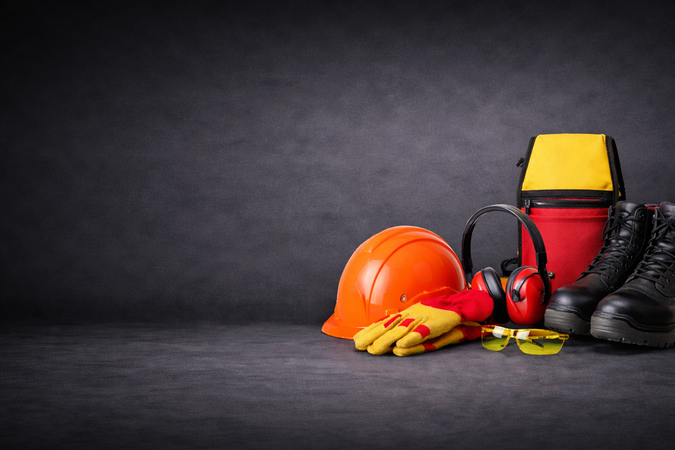
Personal Protective Equipment is very important in every workplace today. Whether you work in construction, factories, oil and gas, hospitals, or warehouses, using the right PPE can save lives. In many high-risk jobs, workers need systems like a lifeline system to prevent falls from height, strong fire retardant workwear to protect from flames and heat, and certified safety shoes Egypt companies provide to protect feet from heavy objects and sharp materials. All these elements are part of a complete PPE Equipment Guide that helps businesses reduce accidents and keep workers safe every day.
Personal Protective Equipment (PPE) includes all tools, clothing, and equipment designed to protect workers from injury, illness, or hazards at work. PPE is not just an option. It is a legal and moral responsibility for employers. When companies invest in high-quality PPE, they protect their people, reduce costs of accidents, and improve productivity.
This article is a complete and detailed PPE Equipment Guide. It also shows how AMAN provides full safety solutions in Egypt and why choosing the right safety partner is important.
What Is PPE and Why Is It Important?
PPE stands for Personal Protective Equipment. It includes equipment worn by workers to reduce exposure to hazards.
Hazards in the workplace can include:
-
Falling objects
-
Sharp materials
-
Slippery floors
-
Chemicals
-
Fire and heat
-
Dust and smoke
-
Loud noise
-
Falling from heights
-
Electrical risks
Without PPE, workers are exposed to serious injuries like burns, fractures, eye damage, hearing loss, or even death. PPE acts as the last line of defense when engineering controls and safety systems are not enough.
Main Goals of PPE
-
Protect workers from injury
-
Reduce workplace accidents
-
Meet safety regulations
-
Lower company costs
-
Improve worker confidence
-
Increase productivity
When workers feel safe, they work better.
Types of PPE Equipment
There are many types of PPE depending on the risk level and work environment.
1. Head Protection
Head injuries can be very serious. Workers in construction, factories, and industrial areas must wear helmets.
Examples include:
-
Safety helmets
-
Industrial hard hats
-
Bump caps
Head PPE protects against falling objects and impact injuries.
2. Eye Protection
Eyes are very sensitive. Dust, sparks, chemicals, and flying particles can damage vision permanently.
Products available include:
-
Safety glasses
-
Protective goggles
-
Anti-fog glasses
-
UV protection glasses
Safety glasses are especially important in welding, laboratories, and manufacturing plants.
3. Face Protection
Face shields protect against sparks, chemical splashes, and flying debris.
Examples include:
-
Full face shields
-
Welding masks
-
Chemical splash shields
Face PPE is often used together with eye protection.
4. Hearing Protection
Noise in factories and construction sites can cause hearing loss.
Common hearing PPE includes:
-
Ear plugs
-
Ear muffs
-
Noise reduction headsets
Long exposure to loud noise without protection can cause permanent damage.
find a online book store
5. Respiratory Protection
Dust, fumes, smoke, and chemicals can damage lungs.
Respiratory PPE includes:
-
Disposable masks
-
Half-face respirators
-
Full-face respirators
-
Cartridge filters
This is very important in chemical industries and construction sites.
6. Hand Protection
Hands are exposed to many risks.
Types of safety gloves:
-
Cut-resistant gloves
-
Chemical-resistant gloves
-
Heat-resistant gloves
-
Electrical insulated gloves
-
Disposable gloves
Each glove type is designed for specific hazards.
7. Foot Protection
Feet carry the body weight and are exposed to heavy objects and sharp materials.
Safety footwear includes:
-
Steel toe boots
-
Anti-slip shoes
-
Electrical hazard shoes
-
Waterproof safety boots
Choosing the correct footwear is very important in factories and warehouses.
lifeline system and Fall Protection
Working at heights is very dangerous. Falls are one of the main causes of workplace deaths.
A lifeline system is used to protect workers from falling when they work on roofs, towers, scaffolding, or high platforms.
Types of Fall Protection
-
Horizontal lifeline systems
-
Vertical lifeline systems
-
Safety harnesses
-
Shock absorbers
-
Anchorage points
-
Fall arrest systems
These systems keep workers connected to secure points. If they slip, the system stops the fall.
Fall protection is critical in:
-
Construction
-
Oil and gas
-
Maintenance work
-
Telecom towers
-
High-rise buildings
Using certified systems reduces fatal accidents and legal problems.
fire retardant workwear and Body Protection
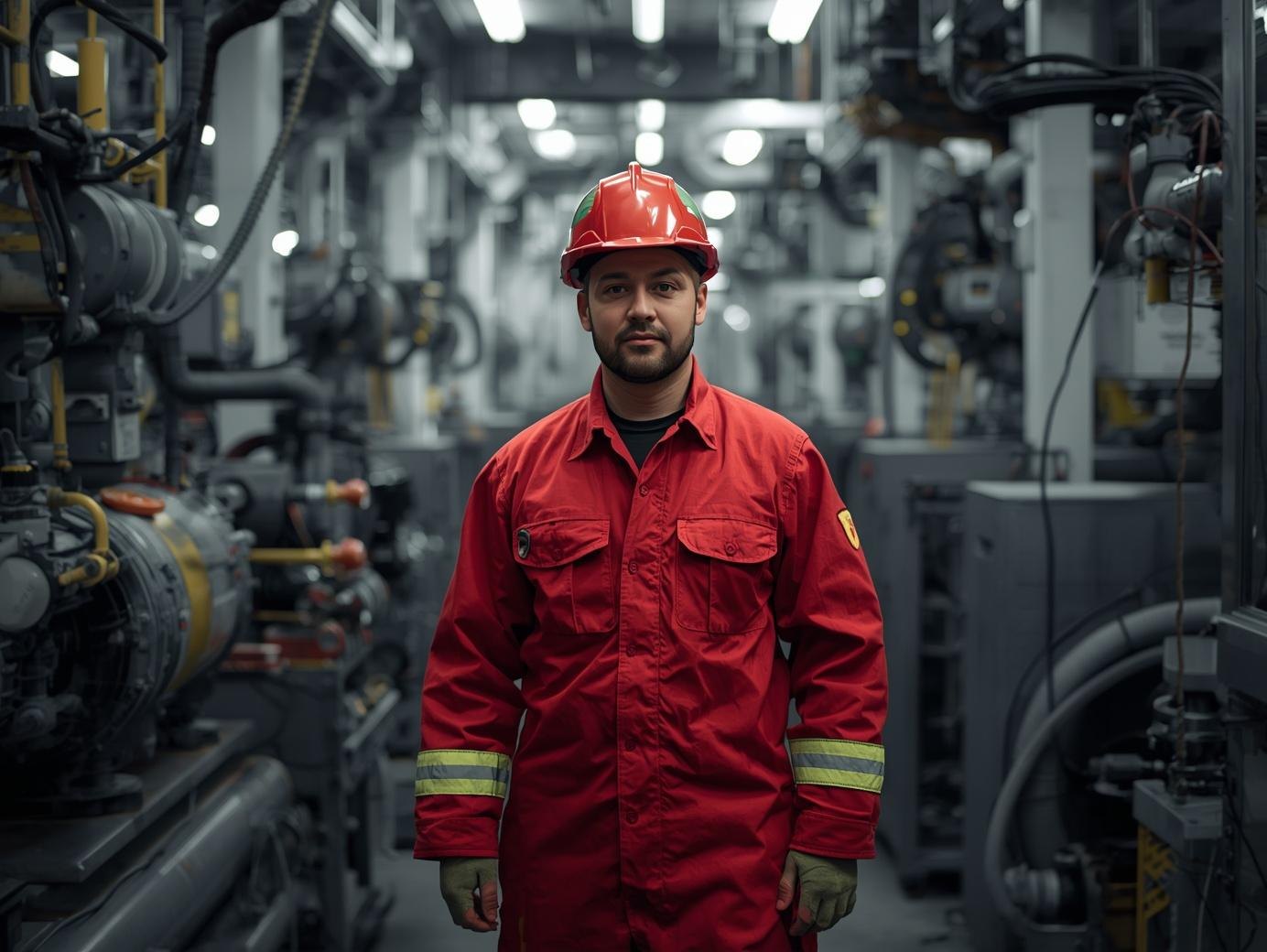
Fire and heat are major hazards in many industries. Workers in oil, gas, welding, and heavy industries must wear fire retardant workwear
This special clothing is designed to:
-
Resist flames
-
Reduce burn injuries
-
Protect from heat
-
Prevent fabric melting
Types of Fire Protective Clothing
-
Flame-resistant coveralls
-
Fire-resistant jackets
-
FR trousers
-
Welding aprons
-
Heat-resistant gloves
Fire-resistant clothing does not burn easily and can self-extinguish when exposed to flames.
Body protection also includes:
-
High visibility clothing
-
Chemical protection suits
-
Rain suits
-
Cold weather jackets
Each type is selected based on workplace risk assessment.
safety shoes Egypt Market and Foot Protection
In industrial environments, foot injuries are common. Many companies search for certified safety shoes Egypt suppliers provide to ensure compliance and protection.
Safety shoes are designed with:
-
Steel toe caps
-
Composite toe caps
-
Anti-slip soles
-
Oil-resistant soles
-
Anti-static features
-
Puncture-resistant midsoles
Different industries require different features. For example:
-
Construction needs steel toe and puncture resistance
-
Electrical work requires anti-static shoes
-
Food industries need waterproof and slip-resistant shoes
Choosing high-quality footwear reduces injuries and improves worker comfort.
Other Important PPE Products
A complete PPE Equipment Guide must include additional safety solutions.
Safety Glasses and Eye PPE
Safety glasses are used in many industries to prevent eye injuries. Features include:
-
Anti-scratch lenses
-
Anti-fog coating
-
UV protection
-
Side shields
These glasses are lightweight and comfortable for daily use.
Head and Face PPE
Head and face PPE includes:
-
Industrial helmets
-
Face shields
-
Welding helmets
-
Protective visors
These products protect from impact, sparks, and splashes.
Health and Safety Equipment
Other important products include:
-
First aid kits
-
Emergency showers
-
Safety signs
-
Spill control kits
-
Gas detectors
These tools improve overall workplace safety.
How to Choose the Right PPE ?
Selecting the right PPE should never be a random decision. It requires a structured and systematic approach to ensure maximum protection, comfort, and compliance with safety regulations. Below is a detailed step-by-step guide:
Step 1: Conduct a Risk Assessment
The first and most important step is identifying workplace hazards. Carefully evaluate all tasks, work areas, and processes to determine potential risks such as:
-
Falling objects
-
Sharp edges or moving machinery
-
Chemical exposure
-
Electrical hazards
-
High noise levels
-
Dust, fumes, or harmful gases
A proper risk assessment helps determine exactly what type of protection is required—whether it is head protection, eye protection, respiratory equipment, hearing protection, gloves, or safety footwear. Without understanding the risks, PPE selection may be ineffective.
Step 2: Select Certified and Approved Products
Once hazards are identified, choose PPE that meets recognized safety standards and certifications. Certified products are tested to ensure they provide adequate protection under specific conditions.
Look for:
-
Compliance with international or local safety standards
-
Clear labeling and manufacturer information
-
Proper documentation and user instructions
Using uncertified or low-quality PPE can create a false sense of security and increase the risk of injury.
Step 3: Ensure Proper Fit and Comfort
Even the highest-quality PPE will not provide full protection if it does not fit correctly. Equipment that is too loose may fall off or fail to protect properly, while equipment that is too tight can cause discomfort and discourage workers from wearing it consistently.
Consider:
-
Adjustable features
-
Different sizes for different workers
-
Compatibility with other PPE (for example, helmets with face shields or respirators with goggles)
Comfort is essential because workers are more likely to wear PPE properly when it fits well and feels comfortable during long shifts.
Step 4: Provide Proper Training
Workers must be trained not only to wear PPE, but to use it correctly. Training should include:
-
When PPE is required
-
How to wear, adjust, and remove it safely
-
How to clean and store it
-
Understanding its limitations
Employees should know that PPE reduces risk but does not eliminate hazards completely. Proper training ensures that equipment is used consistently and effectively.
Step 5: Perform Regular Inspection and Maintenance
PPE must be inspected regularly to ensure it remains in good condition. Damaged or worn equipment may fail during use.
Inspection should check for:
-
Cracks in helmets
-
Tears in gloves
-
Scratches on goggles
-
Expired filters in respirators
-
Worn soles in safety shoes
Any defective PPE should be replaced immediately. Establishing a routine inspection schedule helps maintain a high level of safety and compliance.
Benefits of Using High-Quality PPE
-
Lower accident rates
-
Reduced medical costs
-
Improved company reputation
-
Higher productivity
-
Better worker morale
-
Legal compliance
Investing in safety always saves money in the long term.
Industries That Need PPE
PPE Maintenance and Storage
Proper maintenance extends product life.
Tips for maintenance:
-
Clean PPE regularly
-
Store in dry areas
-
Replace damaged items
-
Follow manufacturer instructions
Poor maintenance reduces protection level.
Why Training Is Important
Even the best equipment fails if used incorrectly.
Training should include:
-
How to wear PPE
-
When to use PPE
-
How to inspect PPE
-
Emergency procedures
Safety culture starts with awareness.
Frequently Asked Questions (FAQ)
1. What does PPE stand for?
PPE stands for Personal Protective Equipment. It includes clothing and tools used to protect workers from hazards at work.
2. Why is PPE important in the workplace?
PPE protects workers from injuries, reduces accidents, and helps companies follow safety regulations.
3. Who is responsible for providing PPE?
Employers are responsible for providing proper PPE and making sure workers use it correctly.
4. What are the main types of PPE?
The main types include head protection, eye protection, face protection, hearing protection, respiratory protection, hand protection, body protection, and foot protection.
5. How do I choose the right PPE for my job?
You should start with a risk assessment, identify hazards, and select certified PPE that matches the risks.
6. How often should PPE be inspected?
PPE should be inspected before every use and regularly checked for damage or wear.
7. When should PPE be replaced?
PPE should be replaced when it becomes damaged, worn out, expired, or no longer provides full protection.
8. What is a lifeline system?
A lifeline system is a fall protection system used to protect workers who work at heights. It prevents serious injuries from falls.
9. What is fire retardant workwear?
Fire retardant workwear is special clothing designed to resist flames and reduce burn injuries in high-heat environments.
10. Why are safety shoes important?
Safety shoes protect feet from heavy objects, sharp materials, slips, and electrical hazards.
11. Are safety glasses really necessary?
Yes. Safety glasses protect the eyes from dust, chemicals, sparks, and flying particles that can cause permanent damage.
12. What industries require PPE the most?
Construction, oil and gas, manufacturing, logistics, healthcare, electrical, and chemical industries require strong PPE systems.
13. Can PPE completely remove workplace risks?
No. PPE reduces risks but does not remove them completely. It should be used with other safety measures.
14. How should PPE be stored?
PPE should be stored in a clean, dry place away from direct sunlight, chemicals, and extreme temperatures.
15. Is training required for PPE use?
Yes. Workers must be trained on how to wear, adjust, use, and maintain PPE properly.
16. What happens if workers do not wear PPE?
They may face serious injuries, legal penalties for the company, and increased accident costs.
17. What is the difference between disposable and reusable PPE?
Disposable PPE is used once and then discarded. Reusable PPE can be cleaned and used multiple times if maintained properly.
18. How does PPE reduce company costs?
It reduces medical expenses, legal issues, downtime, and damage caused by accidents.
19. Can PPE improve worker productivity?
Yes. When workers feel safe and protected, they work more confidently and efficiently.
AMAN Safety Solutions in Egypt
Founded in 2006 in Cairo, Egypt, AMAN is focused on protecting lives and minimizing the risks of accidents. By working closely with customers and leading manufacturers, AMAN designs tailored solutions that meet everyday safety and security needs.
AMAN understands the financial pressure businesses face while providing safe work environments. That is why safety solutions focus on reducing total safety costs by minimizing accident risks using the highest quality safety products.
The team at AMAN is friendly, knowledgeable, and motivated. They support customers in person, by phone, or online. Their goal is to help clients choose the right products for their needs.
At AMAN, where we put People first, your safety is our concern.