
Blog
PPE Equipment and Their Uses: Complete Guide to PPE Equipment Names

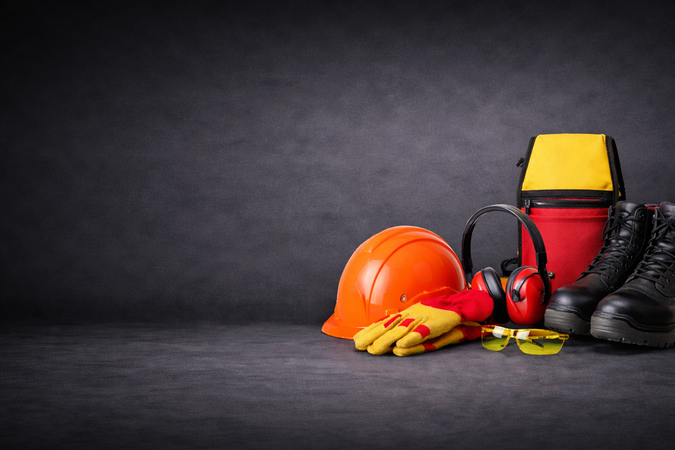
Understanding PPE equipment and their uses is essential for every workplace that wants to protect employees from injuries and accidents. PPE stands for Personal Protective Equipment, which includes all safety products designed to protect workers from hazards in their working environment.Many companies today search for reliable information about PPE equipment names because different industries require different types of protection.
Construction workers need helmets and safety shoes, laboratory staff need gloves and goggles, and industrial workers may require respiratory protection and protective clothing. Using the correct PPE equipment is one of the most effective ways to prevent workplace injuries. Safety equipment helps reduce risks such as falling objects, chemical exposure, fire hazards, sharp tools, electrical shock, and airborne particles.
Companies must understand PPE equipment and their uses so they can select the right protection for their employees.
PPE Equipment Names and Their Uses in Workplace Safety
There are many PPE equipment names, and each type of equipment protects workers from different hazards. Understanding PPE equipment and their uses helps safety managers choose the correct protection for each task.
Some of the most common PPE equipment names include:
- Safety helmets
- Safety goggles
- Face shields
- Safety gloves
- Respirators
- Safety shoes
- Protective clothing
- Ear protection
- Fall protection systems
These safety products are used in many industries including construction, manufacturing, healthcare, and logistics.
Head Protection PPE Equipment Names and Their Uses
Head injuries are considered one of the most serious risks in industrial and construction workplaces. For this reason, understanding PPE equipment names related to head protection is essential for maintaining workplace safety. When organizations know the correct PPE equipment names, they can select the appropriate protective gear to reduce accidents and protect workers from potential hazards.
Head protection equipment is designed to shield workers from falling objects, impacts, and other workplace dangers. By learning PPE equipment and their uses, companies can improve safety standards and ensure that employees are properly protected during daily tasks.
Common Head Protection PPE Equipment Names
Several types of protective gear are commonly used for head safety in industrial environments. Understanding these PPE equipment names helps organizations choose the most suitable equipment based on the type of work and risk level.
Some of the most common PPE equipment names for head protection include:
- Safety helmets
- Hard hats
- Bump caps
Each of these protective items serves a specific purpose in preventing injuries and improving workplace safety.
PPE Equipment and Their Uses for Head Safety
Understanding PPE equipment and their uses is important for selecting the right type of head protection in different work environments. Head protection equipment is specifically designed to reduce the risk of injuries caused by common workplace hazards.
Head protection PPE is commonly used to protect workers from:
- Falling objects that may strike the head
- Impact injuries caused by equipment or machinery
- Electrical hazards in environments involving electrical work
- Accidental collisions with low structures or moving equipment
By understanding PPE equipment and their uses, companies can ensure that workers are equipped with the proper head protection required for their specific tasks.
Industries That Require Head Protection PPE
Many industries rely on head protection as a basic safety requirement. Workers in these environments face daily risks that can lead to serious injuries without proper protection.
Some of the industries where PPE equipment names related to head protection are commonly used include:
- Construction sites
- Engineering projects
- Manufacturing facilities
- Warehouses and logistics centers
Construction workers, engineers, and warehouse employees rely on these types of PPE every day. Understanding PPE equipment and their uses helps organizations choose the right head protection equipment and create a safer workplace for their employees.
Eye Protection PPE Equipment and Their Uses
Eye injuries can occur in many workplaces when workers are exposed to dust, chemicals, sparks, or flying particles. Because the eyes are extremely sensitive, even small hazards can cause serious damage. Learning PPE equipment and their uses is therefore essential for companies that want to protect employees and maintain safe working environments.
Understanding PPE equipment and their uses allows organizations to select the correct protective gear for specific workplace risks. Eye protection equipment plays a crucial role in preventing injuries and ensuring that workers can perform their tasks safely.
PPE Equipment Names for Eye Protection
Several types of equipment are designed specifically to protect the eyes from different hazards. Knowing the correct PPE equipment names helps employers and safety managers choose the right type of protection.
The most common PPE equipment names used for eye protection include:
- Safety glasses
- Protective goggles
- Chemical splash goggles
Each of these items is designed to protect the eyes in different working conditions. By understanding PPE equipment and their uses, companies can match the right equipment with the correct workplace environment.
PPE Equipment and Their Uses for Eye Safety
Different types of eye protection equipment are designed to prevent injuries caused by specific hazards. Knowing PPE equipment and their uses helps ensure workers receive the appropriate level of protection.
Eye protection PPE helps protect workers from:
- Dust particles that can irritate or damage the eyes
- Chemical splashes that may cause burns or serious eye injuries
- Flying debris from machinery, cutting, or grinding processes
- Bright light or sparks generated during welding or industrial work
By understanding PPE equipment and their uses, companies can reduce the risk of eye injuries and create safer workplaces.
Work Environments That Require Eye Protection PPE
Many industries require workers to use eye protection equipment as part of their daily safety procedures. Workers in high-risk environments rely on this equipment to protect their vision and prevent accidents.
Common workplaces that use eye protection PPE include:
- Laboratories where chemicals are handled
- Construction sites where dust and debris are present
- Factories and manufacturing plants where machinery is used
Workers in laboratories, construction sites, and factories depend on these types of safety equipment every day. Understanding PPE equipment and their uses helps organizations select the proper eye protection and maintain strong workplace safety standards.
Face Protection PPE Equipment Names and Their Uses
Face protection equipment plays a vital role in workplace safety because it protects the entire face from hazards such as sparks, chemicals, heat, and flying debris. Understanding PPE equipment and their uses helps companies provide the correct protective gear for employees working in high-risk environments.
When organizations learn the correct PPE equipment names for face protection, they can better assess workplace risks and choose equipment that reduces the chances of serious injuries. Face protection is especially important in industries where workers are exposed to heat, chemical splashes, or mechanical hazards.
PPE Equipment Names for Face Protection
There are several types of protective equipment designed specifically to shield the face. Knowing these PPE equipment names helps safety managers select the appropriate equipment for different work conditions.
Some common PPE equipment names used for face protection include:
- Face shields
- Welding shields
- Arc flash shields
Each of these protective items is designed for specific workplace hazards and tasks. Understanding PPE equipment and their uses ensures that workers receive the correct type of protection for their job.
PPE Equipment and Their Uses for Face Protection
Different types of face protection equipment are used depending on the nature of the hazard. By understanding PPE equipment and their uses, organizations can improve worker safety and prevent facial injuries.
Face protection equipment is commonly used in environments such as:
- Welding operations where sparks and intense heat are present
- Grinding work where flying particles or metal fragments may occur
- Chemical processing where splashes from hazardous substances are possible
- Industrial maintenance where tools and machinery create potential hazards
Understanding PPE equipment and their uses allows companies to choose the right equipment and ensure workers are protected in hazardous conditions.
Combining Face Protection with Other PPE
For maximum safety, face protection equipment is often used together with other protective gear. Organizations that fully understand PPE equipment and their uses typically combine face shields with additional protective equipment.
Examples include:
-
Face shields with safety helmets for head protection
-
Face shields with protective goggles for enhanced eye protection
-
Welding shields with specialized helmets for welding safety
By combining multiple forms of protective gear, organizations can provide comprehensive protection and create safer working environments. Understanding PPE equipment and their uses helps ensure that workers are fully protected while performing their daily tasks.
Hand Protection PPE Equipment Names and Their Uses
Hands are one of the most commonly injured parts of the body in industrial and technical workplaces. Workers often use tools, handle materials, or interact with machinery that may cause injuries if proper protection is not used. Understanding PPE equipment names for hand protection helps organizations reduce workplace accidents and improve overall safety.
By learning PPE equipment and their uses, companies can select the correct gloves or protective gear based on the specific risks present in the work environment. Hand protection is essential in many industries where workers regularly handle sharp tools, chemicals, or hot materials.
PPE Equipment Names for Hand Protection
There are several types of gloves designed to protect workers from different hazards. Knowing the correct PPE equipment names helps safety managers choose the most suitable hand protection equipment.
Some of the most common PPE equipment names used for hand protection include:
- Cut-resistant gloves
- Chemical-resistant gloves
- Heat-resistant gloves
- Electrical safety gloves
Each of these protective gloves is designed to address specific workplace hazards. Understanding PPE equipment and their uses ensures that employees are equipped with the appropriate protection for their tasks.
PPE Equipment and Their Uses for Hand Protection
Different industries expose workers to different risks, which is why it is important to understand PPE equipment and their uses for hand safety.
Hand protection equipment helps prevent several types of injuries, including:
- Cuts from sharp materials such as metal edges, glass, or tools
- Burns from hot surfaces or high-temperature materials
- Chemical exposure when handling hazardous liquids or substances
- Electrical hazards when working with electrical systems or equipment
By understanding PPE equipment and their uses, organizations can provide the correct gloves that protect workers while allowing them to perform their tasks safely.
Work Environments That Require Hand Protection PPE
Hand protection equipment is widely used in many industries where workers face daily risks related to tools, materials, or hazardous substances.
Some common workplaces that rely on hand protection PPE include:
- Factories and manufacturing plants
- Laboratories handling chemicals
- Warehouses and logistics centers
- Construction and maintenance sites
Workers in factories, laboratories, and warehouses depend heavily on hand protection equipment to prevent injuries. Understanding PPE equipment and their uses helps organizations implement stronger safety practices and protect employees from common workplace hazards.
Foot Protection PPE Equipment Names and Their Uses
Foot injuries are common in many workplaces, especially in industries where workers handle heavy materials, sharp tools, or slippery surfaces. Understanding PPE equipment and their uses helps companies provide the right protective gear to prevent serious foot injuries.
In industrial environments, workers often face risks such as falling objects, sharp materials on the ground, or chemical exposure. Learning the correct PPE equipment names for foot protection allows organizations to choose the appropriate safety footwear for different job roles.
PPE Equipment Names for Foot Protection
Several types of protective footwear are designed to protect workers’ feet from different hazards. Knowing the correct PPE equipment names helps employers and safety officers select the most suitable equipment.
Important PPE equipment names used for foot protection include:
- Safety shoes
- Steel toe boots
- Slip-resistant footwear
Each type of footwear is designed to protect in specific working conditions. Understanding PPE equipment and their uses ensures that workers are properly protected while performing their daily tasks.
PPE Equipment and Their Uses for Foot Safety
Different workplace hazards require specific types of protective footwear. By learning PPE equipment and their uses, organizations can provide better protection and reduce workplace injuries.
Foot protection equipment helps prevent several common workplace hazards, including:
- Crushing injuries caused by falling heavy objects
- Slips and falls on wet or slippery surfaces
- Puncture wounds from sharp materials such as nails or metal fragments
- Chemical exposure when working with hazardous substances
Choosing the right protective footwear is an essential part of workplace safety programs.
Industries That Require Foot Protection PPE
Foot protection equipment is widely used in industries where workers are exposed to physical or environmental hazards.
Some of the industries that rely heavily on foot protection PPE include:
- Construction sites
- Industrial and manufacturing facilities
- Warehouses and logistics operations
- Maintenance and repair environments
Workers in construction and industrial facilities rely on these safety shoes every day to protect their feet from workplace hazards. Understanding PPE equipment and their uses helps organizations maintain safe working environments and reduce the risk of injuries.
Respiratory Protection PPE Equipment and Their Uses
Respiratory protection equipment is designed to protect workers from inhaling harmful substances such as dust, smoke, gases, or chemical vapors. In many workplaces, air quality can be affected by industrial processes, making it essential for organizations to understand PPE equipment and their uses related to respiratory safety.
By learning the correct PPE equipment names and their functions, companies can provide workers with proper protection and reduce the risk of respiratory illnesses. Respiratory PPE plays a crucial role in environments where airborne hazards are present.
PPE Equipment Names for Respiratory Protection
There are several types of respiratory protective equipment used in different work environments. Knowing these PPE equipment names helps safety managers choose the most appropriate equipment for specific hazards.
Examples of PPE equipment names used for respiratory protection include:
- Disposable masks
- Half mask respirators
- Full face respirators
- Air-purifying respirators
Each of these devices offers different levels of protection depending on the type of airborne hazard present in the workplace. Understanding PPE equipment and their uses ensures that workers are equipped with the right respiratory protection.
PPE Equipment and Their Uses for Respiratory Safety
Respiratory protection equipment is designed to filter or block harmful airborne particles and gases. Learning PPE equipment and their uses helps organizations create safer working environments for employees.
Respiratory PPE is commonly used to protect workers from:
- Dust particles generated during construction or manufacturing processes
- Smoke produced by welding, cutting, or burning materials
- Chemical vapors released from industrial chemicals
- Toxic gases present in certain industrial environments
Using proper respiratory protection reduces the risk of long-term respiratory diseases and improves workplace safety.
Work Environments That Require Respiratory Protection PPE
Respiratory protection equipment is commonly used in industries where workers are exposed to airborne hazards.
Examples of workplaces that rely on respiratory PPE include:
- Construction sites where dust and particles are common
- Factories and manufacturing plants where chemicals or fumes may be present
- Laboratories where workers handle hazardous substances
Understanding PPE equipment and their uses is especially important in these environments, as proper respiratory protection helps ensure that workers remain safe while performing their daily tasks.
Hearing Protection PPE Equipment Names and Their Uses
Exposure to loud noise in the workplace can lead to serious hearing problems, including permanent hearing loss. For this reason, many organizations focus on understanding PPE equipment names related to hearing protection. By learning PPE equipment and their uses, companies can provide workers with the proper protection needed in noisy environments.
Continuous exposure to high noise levels is common in industrial settings such as manufacturing plants, airports, and construction sites. Using appropriate hearing protection helps reduce these risks and supports long-term worker safety.
PPE Equipment Names for Hearing Protection
There are several types of hearing protection equipment designed to reduce the impact of loud noise. Knowing these PPE equipment names helps organizations choose the right protective gear for their workers.
The most common PPE equipment names used for hearing protection include:
- Earplugs
- Earmuffs
- Electronic hearing protection
Each of these devices offers a different level of noise reduction depending on the workplace conditions. Understanding PPE equipment and their uses allows safety managers to select the most suitable hearing protection for employees.
PPE Equipment and Their Uses for Noise Protection
Hearing protection equipment is designed to reduce the intensity of loud sounds that workers are exposed to during their daily tasks. Learning PPE equipment and their uses helps organizations protect workers from long-term hearing damage.
These safety products help reduce exposure to loud noise in environments such as:
- Factories and manufacturing facilities where machines operate continuously
- Airports where aircraft engines produce extremely high noise levels
- Construction sites where heavy equipment and tools create loud sounds
Organizations that understand PPE equipment and their uses ensure that workers wear appropriate hearing protection in high-noise areas. This helps maintain workplace safety standards and protects employees from permanent hearing damage.
Fall Protection PPE Equipment and Their Uses
Working at heights creates serious safety risks. Understanding PPE equipment and their uses is critical when workers perform tasks above ground level.
One of the most important safety systems used in height protection is lifeline safety which helps secure workers and prevent dangerous falls.
Companies that understand PPE equipment names related to fall protection usually include harnesses, safety ropes, and anchor systems in their safety programs.
Protective Clothing PPE Equipment Names and Their Uses
Protective clothing is an essential part of workplace safety in environments where workers are exposed to fire, chemicals, or extreme temperatures.
One example is fire retardant workwear which is designed to protect workers from heat and flame hazards.
Organizations that understand PPE equipment and their uses ensure that employees wear protective clothing in high-risk environments.
Workplace Safety Equipment Supporting PPE Equipment and Their Uses
Workplace safety also includes environmental protection measures. While PPE protects the worker directly, safety equipment can also protect the workplace environment.
For example, a commercial entrance floor mat helps reduce slips and falls by preventing water and dirt from entering the building.
Companies that study PPE equipment names often combine PPE with workplace safety equipment to create a safer environment.
PPE Equipment and Their Uses in Different Industries
Personal protective equipment plays a critical role in maintaining workplace safety across many sectors. Understanding PPE equipment and their uses helps organizations protect workers from hazards such as physical injuries, chemical exposure, and environmental risks.
Different industries face different types of hazards, which means the required PPE equipment names and safety measures can vary significantly. By learning PPE equipment and their uses, companies can select the appropriate protective gear for their specific work environments.
PPE equipment and their uses in the Construction Industry
The construction industry relies heavily on PPE equipment and their uses because workers often face risks such as falling objects, sharp materials, and heavy machinery.
Common PPE equipment used in construction includes:
- Safety helmets for head protection
- Safety glasses for eye protection
- Steel toe boots for foot safety
- High-visibility clothing for improved visibility
Understanding PPE equipment and their uses helps construction companies reduce accidents and improve worker safety on job sites.
PPE equipment and their uses in the Manufacturing Industry
Factories and manufacturing plants also depend on PPE equipment and their uses to protect workers who operate machines and handle materials.
Typical PPE equipment used in manufacturing includes:
- Protective gloves to prevent cuts or burns
- Safety goggles to protect the eyes
- Hearing protection to reduce exposure to loud machinery
- Respiratory masks for dust and fumes
Learning PPE equipment and their uses allows manufacturing facilities to maintain safer production environments.
PPE equipment and their uses in the Oil and Gas Industry
The oil and gas industry involves high-risk activities such as drilling, chemical processing, and working in hazardous environments. For this reason, understanding PPE equipment and their uses is extremely important.
Workers in this industry commonly use:
- Flame-resistant clothing
- Safety helmets
- Gas detection equipment
- Respiratory protection
Proper knowledge of PPE equipment and their uses helps reduce the risk of accidents and exposure to dangerous substances.
PPE equipment and their uses in the Healthcare Industry
Healthcare workers also depend on PPE equipment and their uses to prevent the spread of infections and protect themselves from biological hazards.
Common PPE equipment used in healthcare includes:
- Medical gloves
- Face masks
- Protective gowns
- Face shields
Understanding PPE equipment and their uses ensures that healthcare professionals remain protected while treating patients.
PPE equipment and their uses in the Laboratories
Laboratories involve the handling of chemicals, biological samples, and sensitive materials. Because of these risks, laboratory staff rely on PPE equipment and their uses to maintain safe working conditions.
Typical laboratory PPE includes:
- Safety goggles
- Lab coats
- Chemical-resistant gloves
- Respiratory protection when necessary
These protective measures help prevent exposure to hazardous substances.
PPE equipment and their uses in the Warehousing and Logistics
Workers in warehouses and logistics facilities also depend on PPE equipment and their uses to avoid injuries caused by heavy materials and moving equipment.
Common PPE equipment used in warehouses includes:
- Safety shoes
- High-visibility clothing
- Protective gloves
- Safety helmets in high-risk areas
Understanding PPE equipment and their uses helps companies reduce workplace injuries in storage and distribution environments.
PPE equipment and their uses in the Transportation Industry
In the transportation industry, workers often deal with road hazards, vehicle operations, and heavy equipment. This makes PPE equipment and their uses an important part of safety management.
Typical PPE equipment used in transportation includes:
- Reflective safety vests
- Protective gloves
- Safety footwear
- Helmets for certain operations
Each industry uses different PPE equipment names depending on the risks involved. By understanding PPE equipment and their uses, organizations can create safer workplaces and ensure that workers are properly protected in their daily tasks.
Why Choose AMAN for PPE Equipment and Their Uses
When companies search for reliable information about PPE equipment and their uses, they also need a trusted supplier that provides high-quality safety products. Understanding PPE equipment names is important, but choosing the right safety partner is equally important to ensure that workers receive the best protection.
AMAN is one of the leading providers of safety solutions in Egypt. Since its establishment, the company has focused on helping organizations create safer workplaces by offering a wide range of PPE equipment designed to reduce workplace risks.
Founded in 2006 in Cairo, Egypt, AMAN is focused on protecting lives and minimizing the risks of accidents. By working closely with customers and with the many leading manufacturers it represents, AMAN experts design tailored safety solutions that match the daily safety and security needs of different industries.
Businesses that want to understand PPE equipment and their uses often rely on AMAN because the company not only provides safety products but also offers professional guidance to help organizations choose the right equipment for their employees.
Experience in PPE Equipment and Their Uses
With many years of experience in workplace safety, AMAN has developed deep knowledge of PPE equipment and their uses across multiple industries. The company understands that different environments require different types of protection, and this expertise helps customers choose the correct PPE equipment names for their specific needs.
High-Quality PPE Equipment Names from Trusted Manufacturers
AMAN works with leading international manufacturers to supply reliable safety products. Companies that search for PPE equipment and their uses can find a wide range of certified equipment through AMAN, including helmets, gloves, respiratory protection, safety shoes, and protective clothing.
By providing trusted PPE equipment names, AMAN ensures that businesses receive equipment that meets professional safety standards.
Tailored Safety Solutions Based on PPE Equipment and Their Uses
Every workplace has unique safety challenges. That is why AMAN focuses on creating customized safety solutions based on a clear understanding of PPE equipment and their uses.
The AMAN team studies workplace risks and recommends the most suitable PPE equipment names to protect workers effectively.
Reducing Workplace Risks with PPE Equipment and Their Uses
AMAN understands the financial pressure businesses face while maintaining workplace safety. By providing high-quality PPE equipment and expert advice about PPE equipment and their uses, the company helps organizations reduce accident risks and lower overall safety costs.
Using the correct PPE equipment names can significantly reduce workplace injuries, equipment damage, and operational delays.
Professional Customer Support for PPE Equipment and Their Uses
The team at AMAN believes that safety support should always be accessible. Customers who want to learn more about PPE equipment and their uses can receive assistance through phone, online communication, or in-person consultation.
The knowledgeable AMAN staff help customers understand PPE equipment names and choose the best safety products for their working environments.
Wide Range of PPE Equipment and Their Uses Available at AMAN
Companies that are interested in PPE equipment and their uses can explore a wide range of safety products offered by AMAN. The company provides solutions for many industries including construction, manufacturing, healthcare, and logistics.
FAQ About PPE Equipment and Their Uses
1. What are PPE equipment names and their uses?
Many people ask about PPE equipment names and how they are used in workplace safety. PPE equipment includes protective gear such as helmets, gloves, safety glasses, respirators, and safety shoes. Understanding PPE equipment and their uses helps protect workers from injuries caused by hazards like falling objects, chemicals, dust, or loud noise.
2. Why is it important to understand PPE equipment and their uses?
Learning about PPE equipment and their uses helps organizations protect workers and reduce workplace accidents. When safety managers understand different PPE equipment names, they can select the correct protection for each task and ensure employees stay safe during daily operations.
3. What are the most common PPE equipment names used in workplaces?
Some of the most common PPE equipment names include safety helmets, protective goggles, gloves, respirators, ear protection, and safety shoes. Understanding PPE equipment and their uses helps companies choose the right equipment based on the hazards present in their work environment.
4. How do companies choose the correct PPE equipment and their uses?
Companies must first identify workplace hazards before selecting safety equipment. By understanding PPE equipment and their uses, safety managers can choose the most appropriate PPE equipment names that protect workers from physical, chemical, or environmental risks.
5. Which industries require knowledge of PPE equipment and their uses?
Many industries rely on PPE equipment and their uses to maintain workplace safety. Industries such as construction, manufacturing, oil and gas, healthcare, laboratories, and logistics require workers to use different PPE equipment names depending on the hazards involved.
6. How does PPE equipment help reduce workplace accidents?
Understanding PPE equipment and their uses allows companies to provide the right protection for employees. When workers use the correct PPE equipment names, such as helmets, gloves, and respirators, the risk of injury from workplace hazards is significantly reduced.
7. What are examples of PPE equipment names for different body parts?
Different PPE equipment names protect different parts of the body. For example, helmets protect the head, goggles protect the eyes, gloves protect the hands, respirators protect the lungs, and safety shoes protect the feet. Knowing PPE equipment and their uses ensures that workers wear the correct protection.
8. Where can businesses find reliable PPE equipment and their uses?
Businesses that want to understand PPE equipment and their uses should work with professional safety suppliers. Companies like AMAN provide many PPE equipment names designed to protect workers and reduce workplace risks across different industries.
9. How often should PPE equipment be inspected and replaced?
Understanding PPE equipment and their uses also includes maintaining the equipment properly. Safety managers should regularly inspect PPE for damage and replace worn or damaged equipment to ensure that all PPE equipment names continue to provide effective protection.
10. How can companies train workers about PPE equipment and their uses?
Training is an important part of workplace safety. Companies should educate workers about PPE equipment and their uses, including how to wear, adjust, and maintain different PPE equipment names. Proper training ensures that workers understand how safety equipment protects them from workplace hazards.
Understanding PPE equipment and their uses is essential for creating a safe and responsible workplace. When companies learn the different PPE equipment names, they can select the right protective gear for every task and reduce the risks that workers may face every day. From helmets and gloves to respirators and protective clothing, each piece of PPE plays an important role in protecting employees from potential hazards.
At AMAN, we believe that protecting people is the first step toward building a safer and more successful workplace.