

Blog
General Spill Control and Spill Control Plan for Workplace Safety

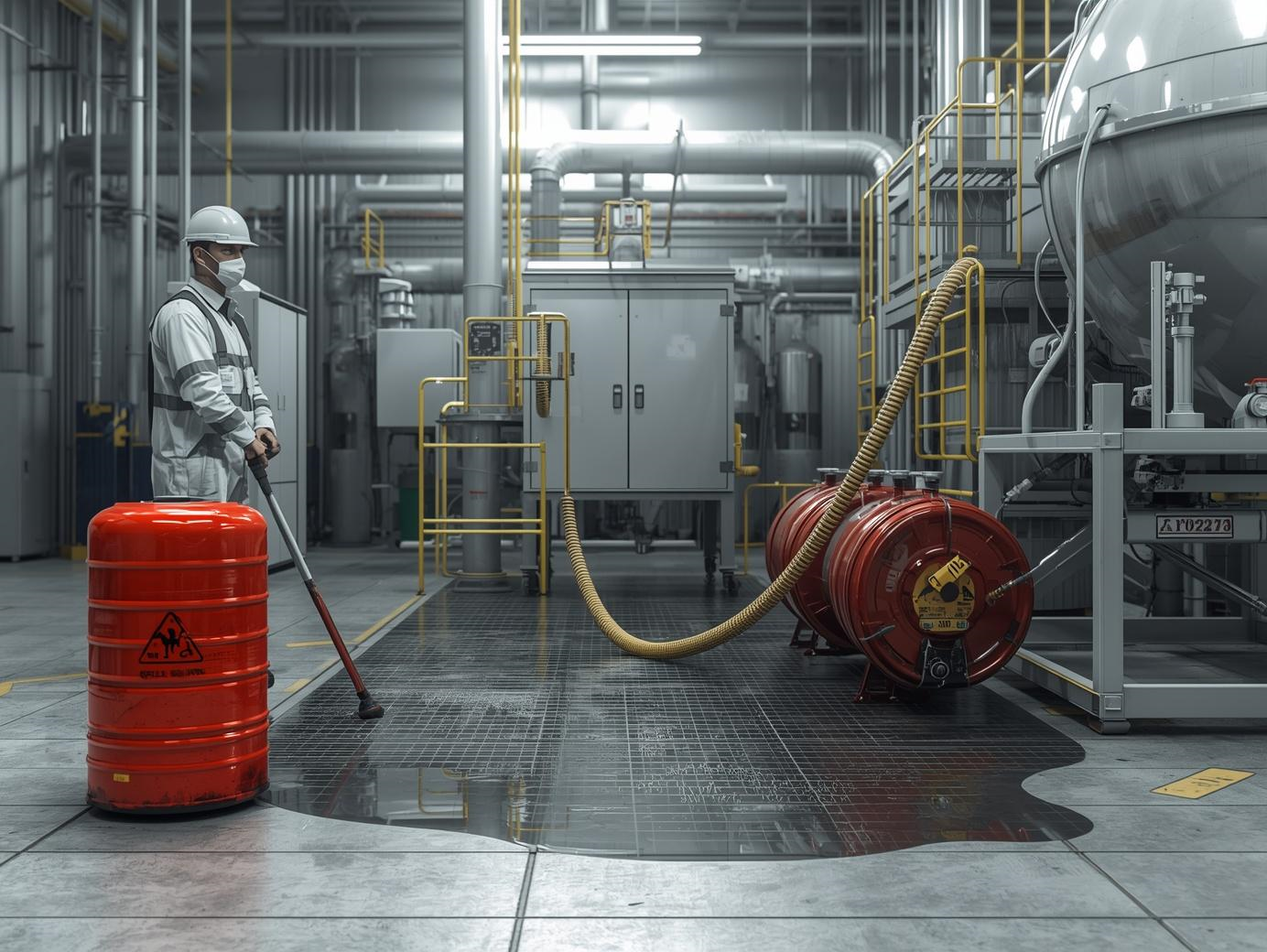
Every workplace that handles liquids, chemicals, oils, fuels, or hazardous materials should have a clear spill control plan in place. A well-designed general spill control strategy helps companies respond quickly when spills occur, reducing risks to workers, equipment, and the environment. Many businesses focus heavily on production and operations, but underestimate the impact of a spill. Even a small spill can create slip hazards, damage equipment, contaminate products, or lead to costly cleanup efforts. This is why a practical spill control plan is not only a safety requirement but also a smart business decision.
Effective general spill control procedures help workers know exactly what to do during an incident. Instead of reacting with confusion, employees can follow clear steps that reduce risks and limit damage.
At AMAN, we understand that every workplace faces unique safety challenges. Since 2006, we have worked with organizations across different industries to provide customized safety solutions that support safer operations and stronger risk management.
Why Every Business Needs a Spill Control Plan
A strong spill control plan helps organizations prepare for incidents before they happen. Waiting until a spill occurs often results in delays, confusion, and increased risks.
Companies that invest in a detailed general spill control strategy usually experience faster response times and lower cleanup costs.
Benefits of Having a Spill Control Plan
- Reduces workplace accidents
- Protects employees
- Limits environmental damage
- Improves emergency response
- Supports regulatory compliance
- Reduces downtime
A workplace without a spill control plan often struggles to respond effectively during emergencies.
Understanding the Purpose of General Spill Control
The goal of general spill control is simple: contain the spill, protect people, and prevent further damage.
However, effective general spill control involves much more than cleaning a floor. It includes preparation, training, equipment selection, risk assessment, and ongoing monitoring. Many companies discover that prevention is often less expensive than cleanup. A proactive spill control plan helps businesses focus on prevention while remaining prepared for emergencies.
Types of Spills Covered by a Spill Control Plan
A well-designed spill control plan must address a wide range of spill incidents that can occur in industrial, commercial, and workplace environments. Not every spill presents the same level of risk, and each type requires specific containment, cleanup, and disposal procedures.
An effective general spill control strategy helps organizations respond quickly to spills, reduce safety hazards, protect the environment, and minimize operational disruptions. By identifying potential spill types in advance, companies can prepare the right response equipment, training programs, and emergency procedures.
The following table outlines the most common types of spills covered by a comprehensive spill control plan.
| Spill Type | Description | Potential Risks | Response within a spill control plan |
|---|---|---|---|
| Oil Spills | Spills involving lubricants, hydraulic oils, engine oils, or industrial oils | Slip hazards, equipment contamination, and environmental pollution | Immediate containment using absorbents, spill barriers, and proper cleanup procedures |
| Chemical Spills | Releases of hazardous chemicals, solvents, acids, or cleaning agents | Chemical burns, toxic exposure, environmental damage, and fire risks | Specialized containment, personal protective equipment (PPE), and safe disposal methods |
| Fuel Spills | Spills involving gasoline, diesel, kerosene, or other fuels | Fire hazards, explosions, and environmental contamination | Rapid containment, ignition source control, and safe recovery procedures |
| Water-Based Spills | Spills involving water, coolants, or non-hazardous liquids | Slip-and-fall accidents, equipment damage, workflow disruption | Quick cleanup, warning signage, and area isolation when necessary |
Each spill category requires a different response approach within the overall spill control plan. For example, an oil spill may primarily create slip hazards and environmental concerns, while a chemical spill may require emergency response teams, specialized protective equipment, and strict containment procedures.
At AMAN Egypt, workplace safety solutions help organizations strengthen their spill control plan strategies through high-quality spill response products, safety equipment, and expert guidance designed to protect people, property, and the environment.
Risk Assessment in a Spill Control Plan
Every successful spill control plan begins with a risk assessment.
Before developing procedures, companies should identify:
- Materials stored onsite
- Potential spill locations
- Environmental risks
- Worker exposure risks
- Drainage systems
- Emergency access routes
This assessment helps create a general spill control strategy that matches actual workplace conditions. For example, a warehouse storing lubricants faces different spill risks than a chemical processing facility.
Essential Equipment for General Spill Control
The effectiveness of general spill control depends heavily on having the right equipment available when needed.
Common Spill Control Equipment
- Absorbent pads
- Absorbent socks
- Spill kits
- Drain covers
- Disposal bags
- Protective gloves
- Protective goggles
Without proper equipment, even the best spill control plan may fail during an emergency.
Employee Training for a Spill Control Plan
A written spill control plan is only effective if employees understand how to use it.
Training should cover:
- Spill identification
- Hazard recognition
- Equipment usage
- Emergency reporting
- Cleanup procedures
- Disposal methods
Workers involved in general spill control should practice response procedures regularly. Many companies find that hands-on exercises improve response times more effectively than classroom training alone.
Emergency Response Procedures in general spill control
When a spill occurs, speed matters. A strong general spill control program provides workers with a clear sequence of actions.
Typical Response Steps
- Identify the spill
- Assess the hazard
- Protect nearby personnel
- Stop the source if safe
- Contain the spill
- Clean the affected area
- Dispose of waste properly
- Document the incident
Following these steps helps ensure that the spill control plan works effectively during real emergencies.
Environmental Protection Through a Spill Control Plan
Environmental protection is one of the most important reasons companies implement a spill control plan.
Uncontrolled spills can:
- Pollute water sources
- Damage soil
- Harm wildlife
- Create legal liabilities
A proactive general spill control approach helps reduce environmental risks while supporting responsible business practices.
Workplace Safety and General Spill Control
Spills affect more than the environment. They also create immediate risks for employees.
Common workplace hazards include:
- Slips
- Falls
- Chemical exposure
- Fire risks
- Equipment damage
Strong general spill control procedures help reduce these hazards before they cause injuries.
Electrical Areas and a Spill Control Plan
Spills near electrical systems require special attention. Liquids and electricity create a dangerous combination.
Facilities often use electrical insulating mats in electrical work areas to help reduce electrical risks. When developing a spill control plan, companies should consider how spills could affect nearby electrical equipment and worker safety.
Maintenance Activities and general spill control
Maintenance work often increases spill risks because equipment may contain oils, chemicals, or fuels. Workers performing maintenance tasks should understand both general spill control procedures and equipment safety requirements. In many facilities, maintenance teams also use lockout/tagout procedures to isolate hazardous energy before beginning repairs.
Combining maintenance safety with a strong spill control plan helps prevent multiple types of workplace accidents.
Packaging Areas and a Spill Control Plan
Packaging and shipping departments can experience spills caused by damaged containers or product leaks. Workers often use safety cutter blades when opening boxes and containers. Proper handling helps prevent accidental product damage that may lead to spills.
Including packaging operations in the overall spill control plan improves workplace preparedness.
Common Mistakes in general spill control
Even organizations with safety programs can make mistakes.
Frequent Problems
- Poor employee training
- Missing spill kits
- Delayed reporting
- Incorrect cleanup methods
- Lack of inspections
- Outdated procedures
Avoiding these mistakes helps strengthen the effectiveness of general spill control programs.
Industries That Depend on a Spill Control Plan
Many industries require a reliable spill control plan as part of their daily operations.
Examples Include
- Manufacturing
- Warehousing
- Oil and gas
- Transportation
- Construction
- Chemical processing
- Food production
Each industry applies general spill control procedures differently depending on operational risks.
Why Businesses Choose AMAN for Spill Control Plan Solutions
Businesses looking to improve their spill control plan often partner with experienced safety providers.
Founded in 2006 in Cairo, Egypt, AMAN focuses on protecting lives and minimizing workplace risks. By working closely with customers and leading manufacturers, AMAN designs tailored safety solutions to support daily operations. Our team understands that every workplace is different. A manufacturing facility, for example, requires a different general spill control strategy than a warehouse or logistics center.
Why Companies Work with AMAN
- Strong safety experience
- Customized solutions
- High-quality safety products
- Professional support
- Practical workplace guidance
AMAN helps organizations create safer workplaces through effective planning and risk management.
At AMAN, we believe that workplace safety begins with planning, preparation, and practical solutions. By helping businesses develop effective safety strategies, we support safer working environments where people can perform their jobs with confidence.