
Blog
Complete Guide to Safety Monitor System and Senior Safety Monitor Programs 2026

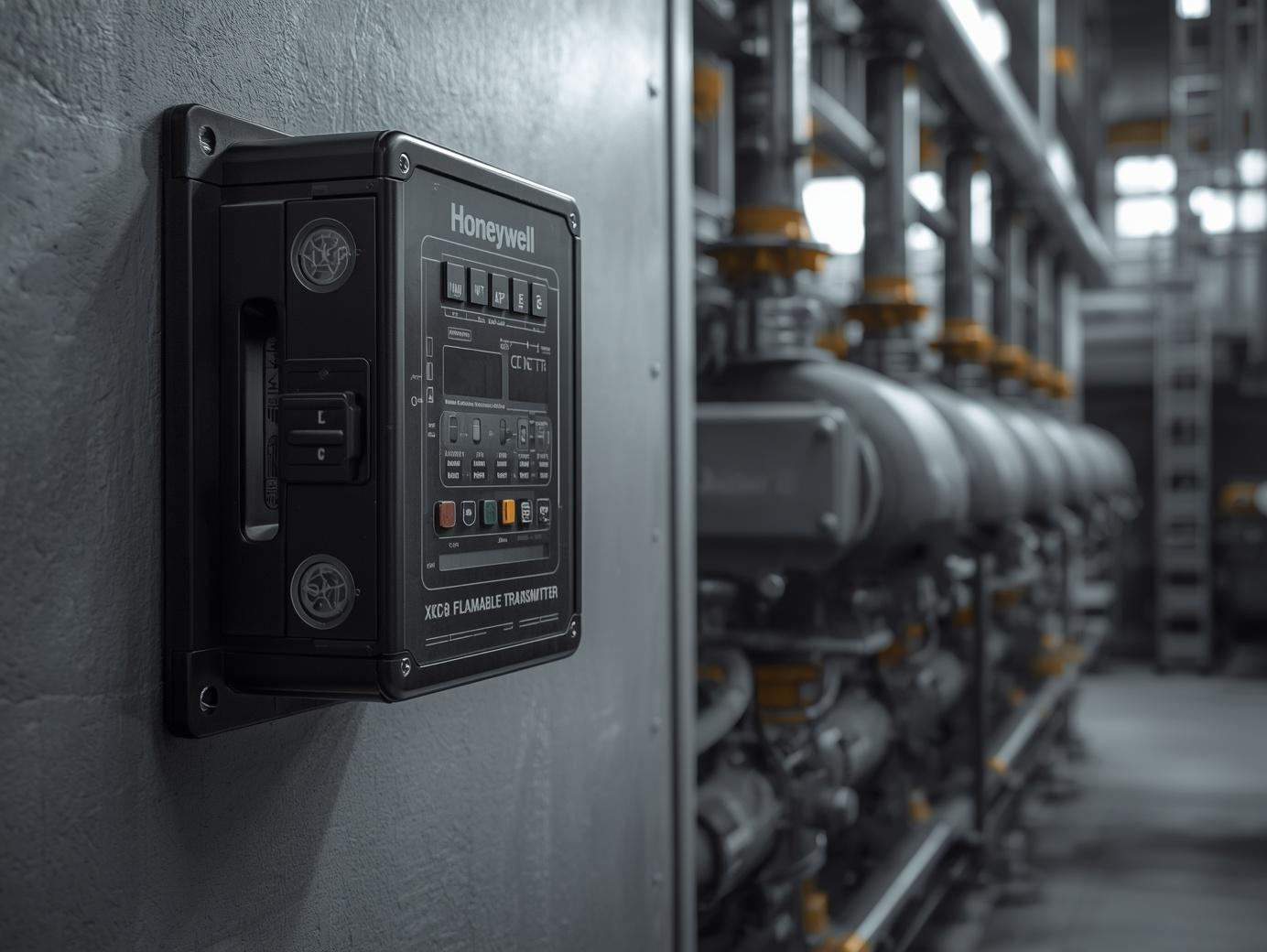
A reliable safety monitor system plays a critical role in protecting workers, equipment, and facilities across many industries. Whether a company operates in manufacturing, oil and gas, logistics, construction, or chemical processing, a well-designed senior safety monitor program helps identify hazards before they become serious incidents. Modern workplaces generate large amounts of safety-related information every day. A quality safety monitor system helps organizations track environmental conditions, detect dangerous gases, identify leaks, and improve emergency response. At the same time, a trained senior safety monitor provides oversight, decision-making, and leadership during critical situations.
At AMAN, we understand that every workplace faces unique safety challenges. Since 2006, we have helped organizations improve safety performance through customized solutions, professional support, and high-quality safety products.
Why a Safety Monitor System Is Important in Modern Workplaces
Every industrial facility faces risks that can change quickly. A small gas leak, poor air quality, or equipment malfunction may develop into a major safety issue if not detected early. A modern safety monitor system helps organizations identify hazards before they affect workers.
Key Benefits
- Faster hazard detection
- Better emergency response
- Improved worker protection
- Reduced downtime
- Better regulatory compliance
- More informed safety decisions
A trained senior safety monitor uses monitoring data to make practical decisions that improve workplace safety.
The Role of a Senior Safety Monitor in Workplace Safety
While technology is important, human expertise remains essential. A senior safety monitor serves as a safety leader who interprets monitoring information and responds appropriately.
Responsibilities of a Senior Safety Monitor
- Reviewing safety alerts
- Monitoring workplace conditions
- Supervising emergency procedures
- Supporting incident investigations
- Coordinating safety teams
- Ensuring compliance with safety requirements
Unlike automated systems, a senior safety monitor can evaluate situations using experience and judgment.
Types of safety monitor system Solutions
Different industries face different workplace hazards, which is why there is no single monitoring solution that fits every facility. The most effective safety monitor system is one that is designed around the specific risks present in the workplace and provides real-time information that helps prevent accidents before they occur.
Modern organizations rely on a safety monitor system to continuously track environmental conditions, detect hazardous gases, and identify leaks that could threaten employees, equipment, or the environment. A qualified senior safety monitor uses the collected data to evaluate risks, investigate unusual readings, and implement corrective actions when necessary.
The three primary categories of safety monitor system solutions are shown below.
| Safety Monitor System Category | Purpose | Key Benefits |
|---|---|---|
| Environmental Monitoring | Monitors workplace environmental conditions that may affect employee health and safety | Improves worker comfort, productivity, and regulatory compliance |
| Gas Detection | Detects hazardous or combustible gases before they reach dangerous levels | Reduces the risk of toxic exposure, fire, and explosions |
| Leak Detection | Identifies leaks involving gases, liquids, or chemicals | Prevents environmental incidents, equipment damage, and safety hazards |
Environmental Monitoring in a safety monitor system
Environmental monitoring is one of the most widely used applications of a safety monitor system. Workplace conditions can change throughout the day due to weather, equipment operation, production processes, and occupancy levels. Continuous monitoring helps organizations maintain a safe and healthy work environment. A senior safety monitor analyzes environmental data to identify trends, investigate abnormal conditions, and recommend improvements before hazards develop.
What Environmental Monitoring Measures
| Environmental Factor | Why It Is Monitored | Potential Risk if Not Controlled |
|---|---|---|
| Temperature | Tracks workplace heat levels and thermal conditions | Heat stress, fatigue, and reduced productivity |
| Humidity | Measures moisture levels in the air | Employee discomfort, equipment issues, and mold growth |
| Air Quality | Evaluates overall air conditions and contaminants | Respiratory problems and poor indoor air quality |
| Dust Levels | Monitors airborne particles generated by operations | Breathing difficulties and long-term health concerns |
| Noise Levels | Measures workplace sound exposure | Hearing damage and reduced concentration |
| Ventilation Performance | Assesses airflow and air circulation effectiveness | Poor air quality and accumulation of hazardous substances |
For example, excessive workplace temperatures may increase worker fatigue and reduce concentration, while elevated dust levels may create respiratory concerns. By using a reliable safety monitor system, organizations can identify these issues early and implement corrective measures before they affect employee health and safety.
Check giveaways ideas for business
Gas Detection Through a Safety Monitor System
Gas detection is one of the most important functions of a safety monitor system, especially in industrial facilities where hazardous gases may be present. Many dangerous gases are colorless, odorless, or difficult to detect without specialized monitoring equipment.
A senior safety monitor reviews gas detection reports and determines whether immediate action is needed to protect workers and maintain safe operating conditions.
Common Gases Monitored
| Gas Type | Potential Hazard | Importance of Monitoring |
|---|---|---|
| Methane | Highly flammable gas that can cause explosions | Helps prevent fire and explosion incidents |
| Carbon Monoxide | Toxic gas that can cause serious health effects | Protects workers from poisoning and exposure |
| Hydrogen Sulfide | Highly toxic gas found in many industrial environments | Reduces the risk of severe injury or fatal exposure |
| Oxygen Deficiency | Low oxygen levels can create life-threatening conditions | Ensures safe breathing environments |
| Combustible Gases | Various gases capable of igniting under certain conditions | Supports fire prevention and process safety |
Many facilities use methane gas detectors and wireless gas detectors as part of their overall gas monitoring strategy because methane accumulation can quickly create dangerous conditions. A modern safety monitor system provides continuous monitoring and immediate alerts whenever gas levels exceed safe limits.
Leak Detection in a Safety Monitor System
Leak detection is another critical component of a comprehensive safety monitor system. Undetected leaks can result in environmental damage, product loss, equipment failure, workplace injuries, and costly operational disruptions.
Modern monitoring technologies allow organizations to identify leaks at an early stage, helping prevent small issues from becoming major incidents.
Common Leak Sources
| Leak Source | Potential Problem | Benefit of Early Detection |
|---|---|---|
| Pipelines | Product loss, environmental contamination, safety hazards | Reduces downtime and repair costs |
| Storage Tanks | Leakage of hazardous or valuable materials | Protects workers and the environment |
| Valves | Process inefficiencies and material release | Improves operational reliability |
| Pumps | Equipment damage and fluid loss | Supports preventive maintenance programs |
| Industrial Equipment | Unexpected failures and workplace hazards | Enhances workplace safety and equipment performance |
A senior safety monitor often investigates unusual monitoring readings, pressure changes, or alarm notifications to determine whether a leak exists and what corrective actions should be taken. Early leak detection allows organizations to respond quickly, reduce risks, and maintain safe and efficient operations.
At AMAN Egypt, advanced safety solutions support businesses in improving workplace monitoring, reducing operational risks, and protecting employees through high-quality safety technologies and professional safety expertise.
Worker Protection and a senior safety monitor
Worker safety extends beyond monitoring equipment.
Facilities should also maintain proper emergency supplies, including first aid kit supplies, to support medical response when incidents occur. A senior safety monitor often verifies that emergency resources remain available and properly stocked. Combining emergency preparedness with a strong safety monitor system creates a more complete safety program.
Why Companies Choose AMAN for Safety Monitor System Solutions
Organizations looking to improve their safety monitor system often partner with experienced safety providers. Founded in 2006 in Cairo, Egypt, AMAN focuses on protecting lives and minimizing workplace risks. By working closely with customers and leading manufacturers, AMAN develops tailored safety solutions that meet operational needs.
Why Businesses Work with AMAN
- Professional safety expertise
- Customized solutions
- High-quality products
- Responsive technical support
- Strong industry experience
A reliable safety monitor system supported by AMAN helps organizations improve safety performance while reducing operational risks.
Future Developments in Safety Monitor System Technology
Workplace monitoring technology continues to evolve. Future safety monitor system innovations may include:
- Artificial intelligence analysis
- Predictive maintenance alerts
- Enhanced remote monitoring
- Smart wearable integration
- Advanced environmental tracking
Even as technology improves, the role of a skilled senior safety monitor remains essential because human judgment cannot be fully replaced.
FAQ About the Safety Monitor System and Senior Safety Monitor
1. What is the difference between a safety monitor system and a senior safety monitor?
A safety monitor system is the technology used to track workplace conditions, detect hazards, and provide alerts. A senior safety monitor is the experienced professional who reviews the information, evaluates risks, and decides what actions should be taken. Both work together to improve workplace safety.
2. How does a safety monitor system help prevent workplace accidents?
A safety monitor system continuously monitors environmental conditions, gas levels, and potential leaks. By identifying hazards early, the safety monitor system allows workers and safety teams to respond before a minor issue becomes a serious incident.
3. What industries benefit most from a senior safety monitor and a safety monitor system?
Industries such as oil and gas, manufacturing, construction, chemical processing, utilities, and warehousing benefit greatly from a safety monitor system. In these environments, a senior safety monitor helps oversee safety operations and ensure that monitoring data is used effectively.
4. What features should companies look for in a safety monitor system?
When selecting a safety monitor system, companies should look for real-time monitoring, gas detection capabilities, leak detection functions, environmental monitoring features, easy reporting tools, and reliable alert systems. A good safety monitor system should provide accurate information that supports fast decision-making.
5. Why do companies choose AMAN for safety monitor system solutions?
Companies choose AMAN for safety monitor system solutions because of its strong safety experience, customized approach, and commitment to protecting workers. AMAN helps businesses implement reliable monitoring solutions while supporting the work of every senior safety monitor responsible for maintaining workplace safety.